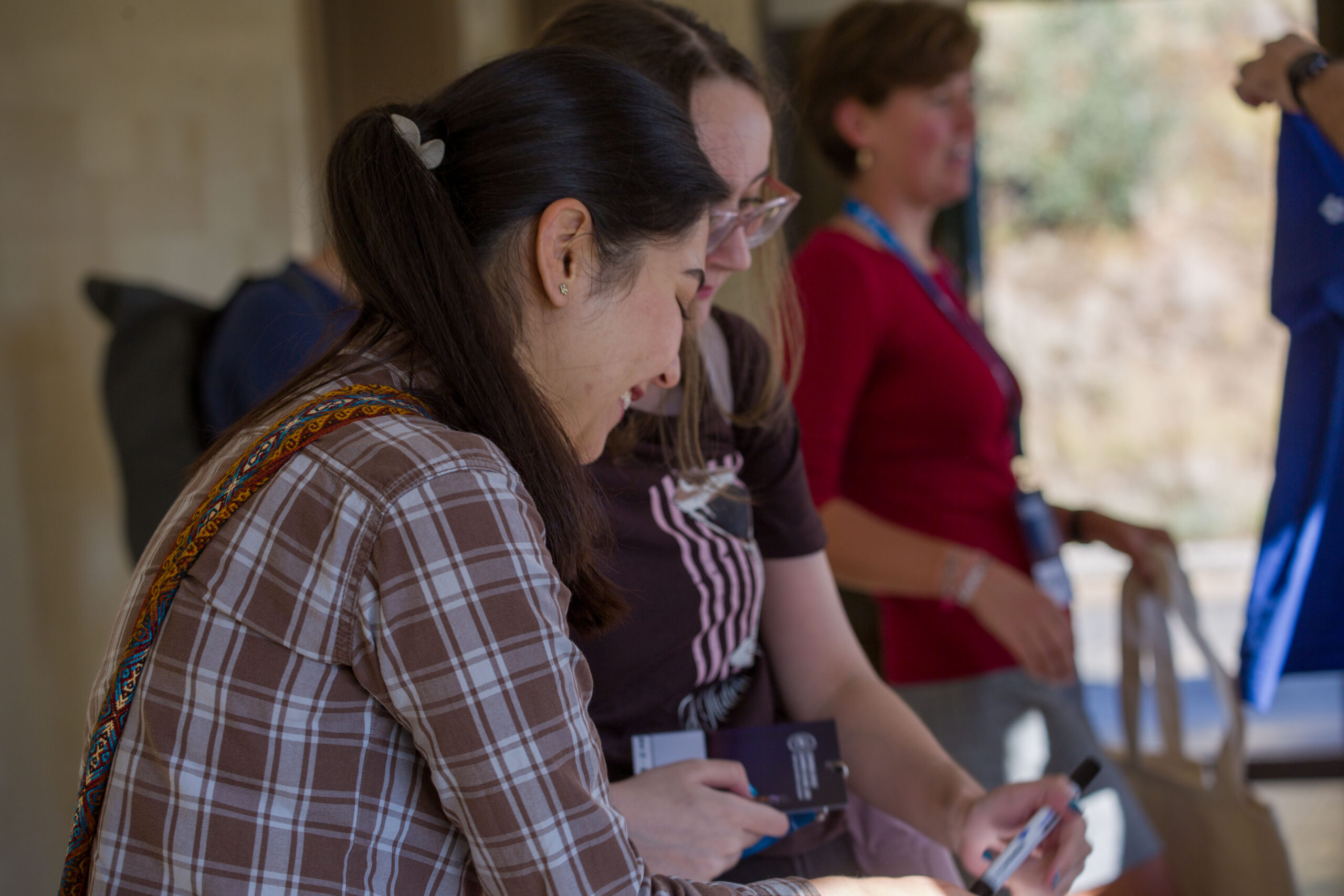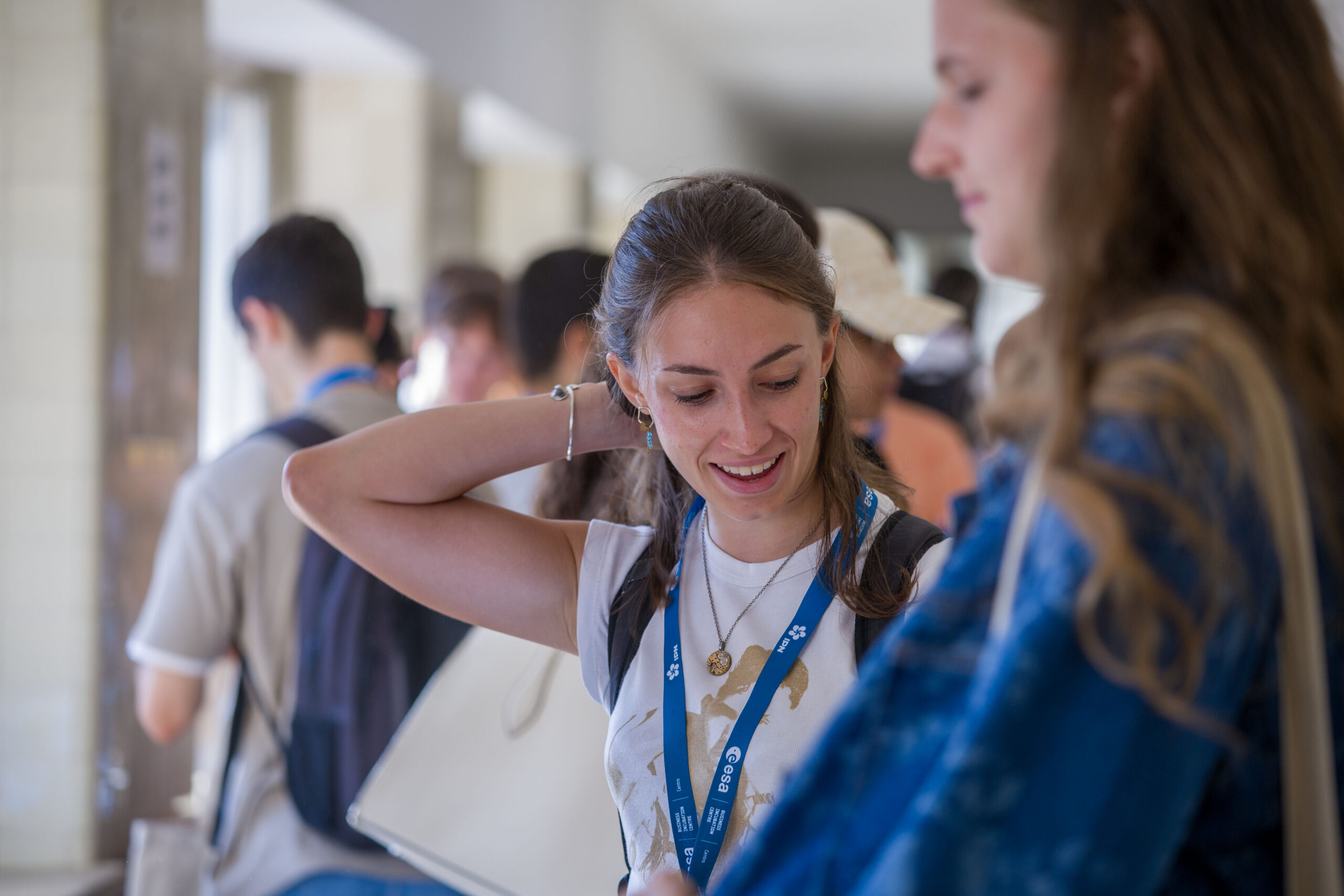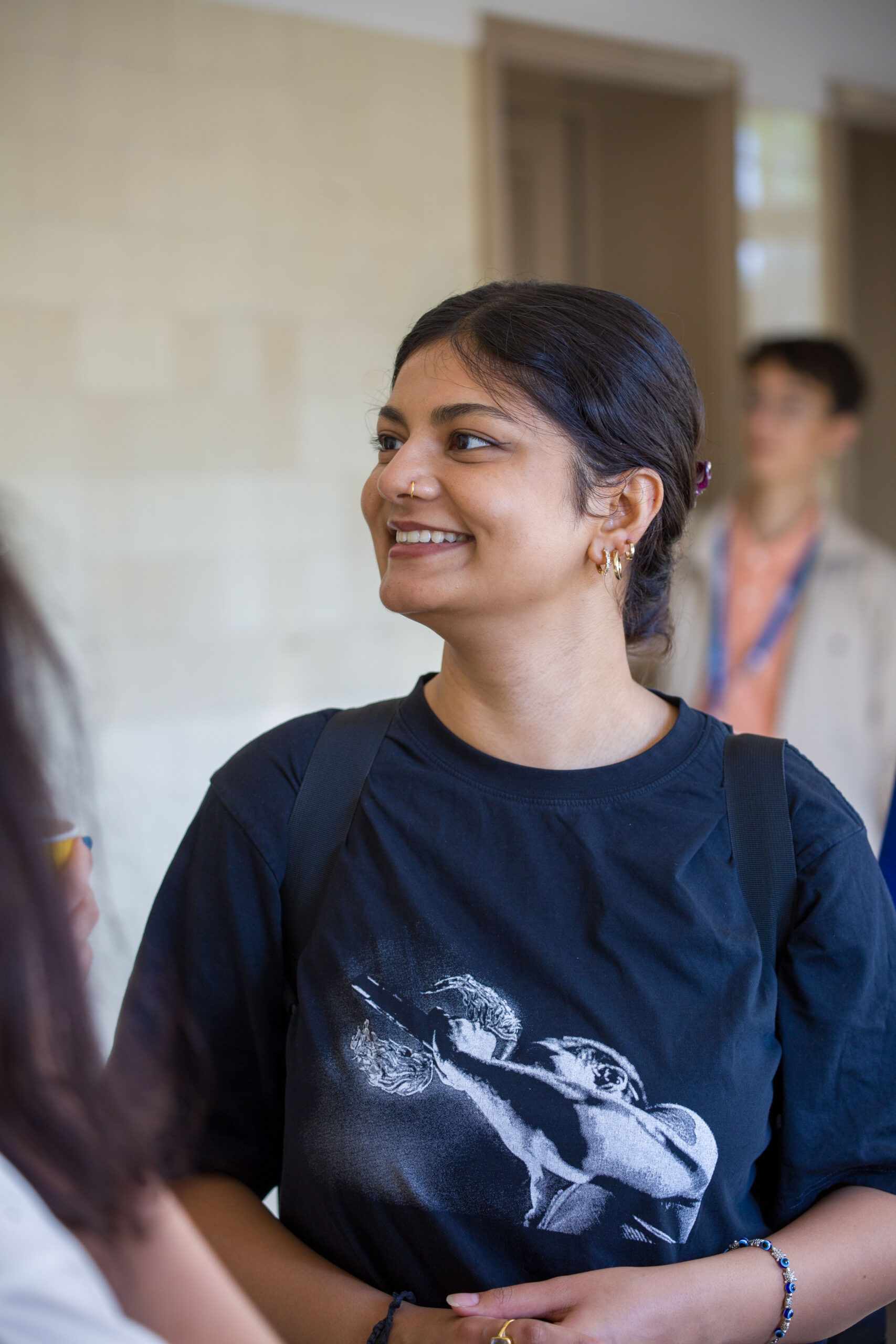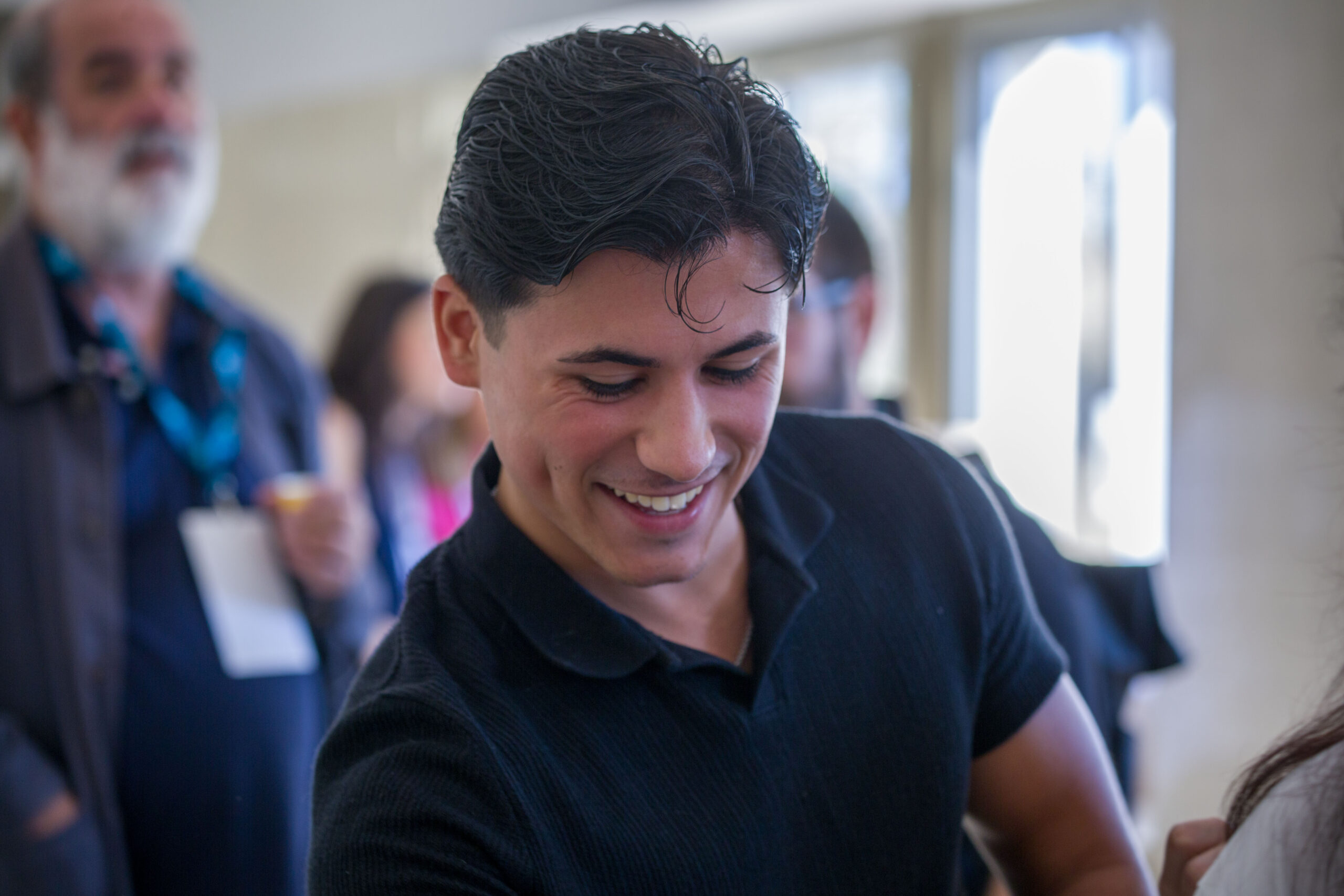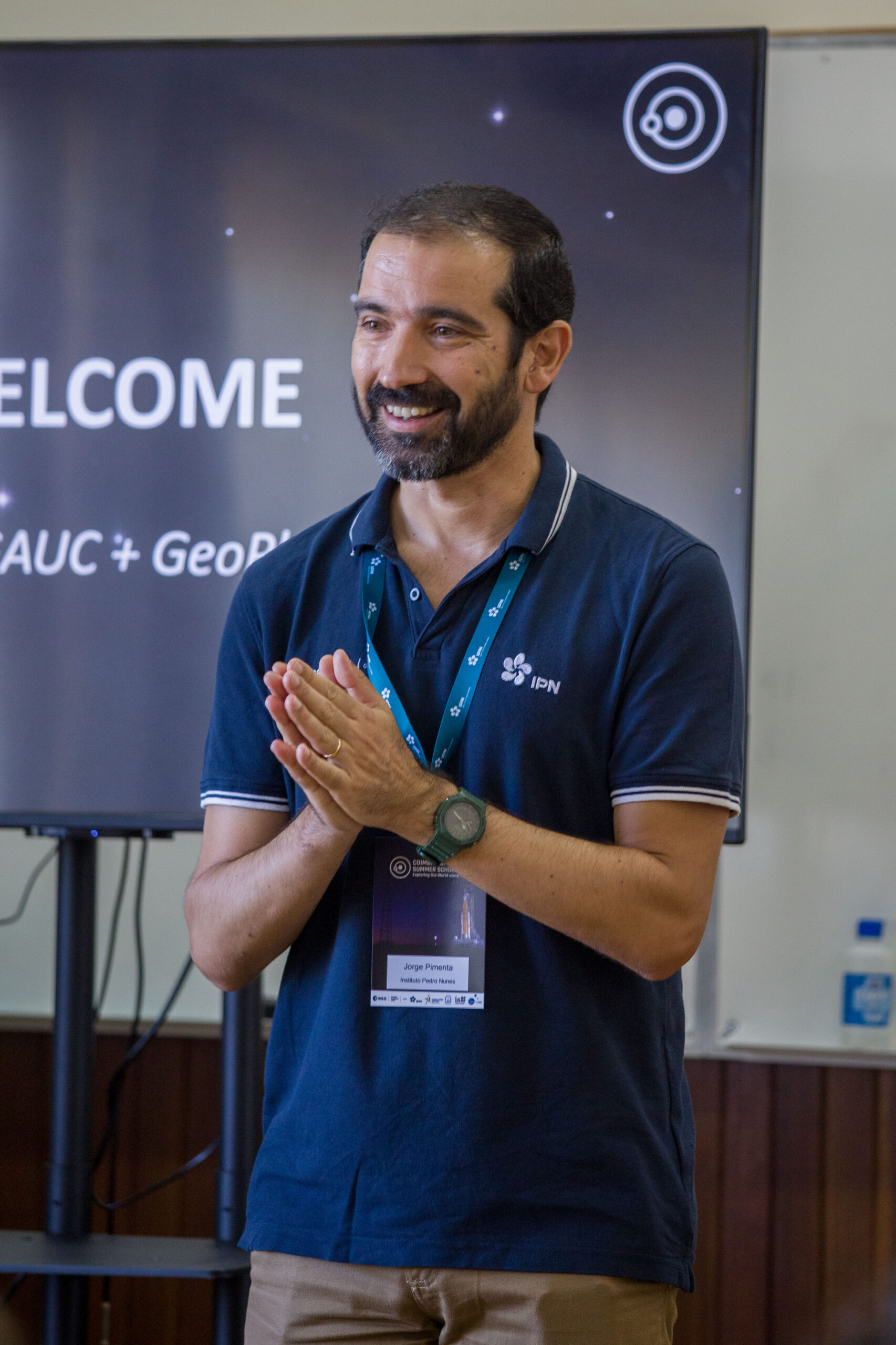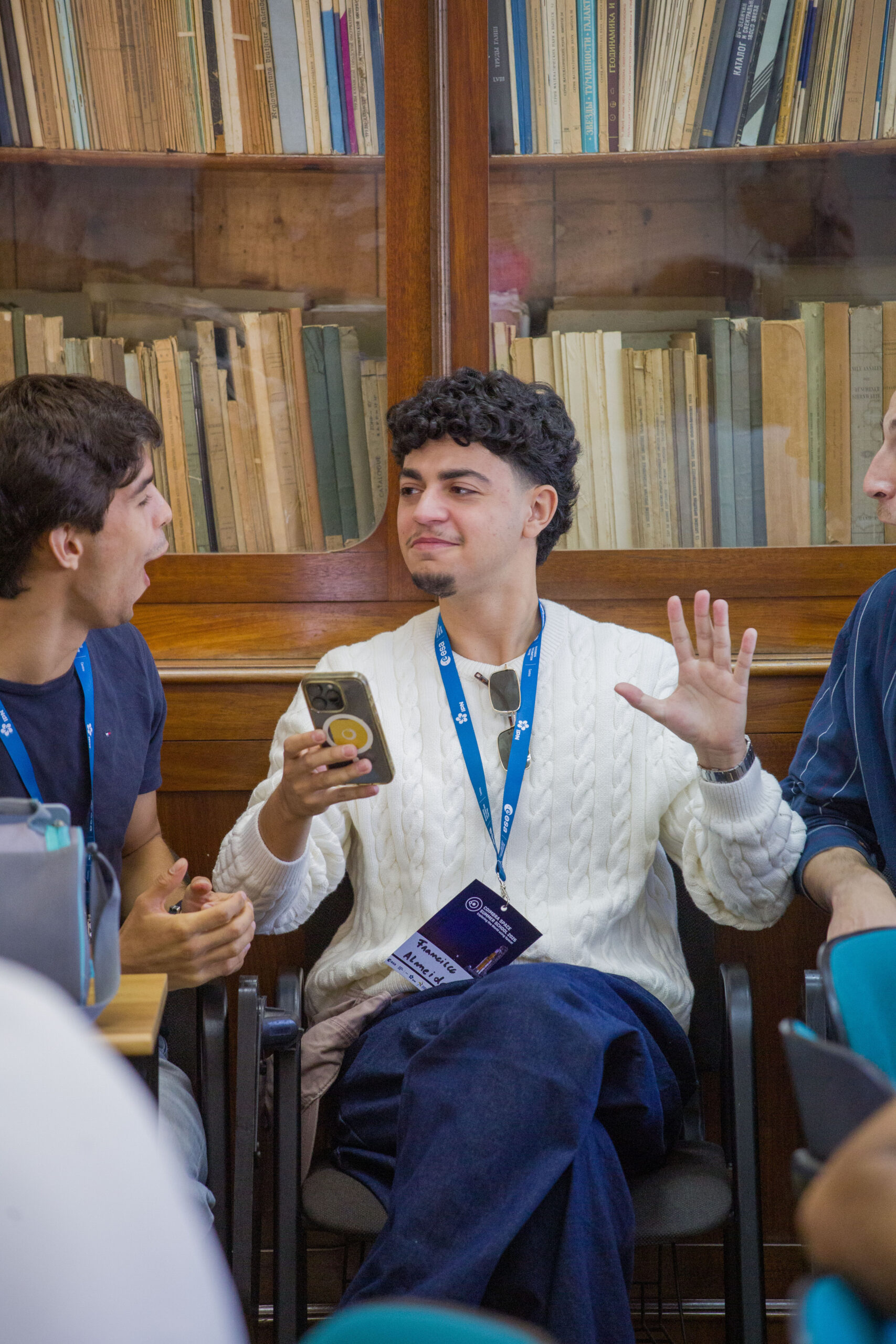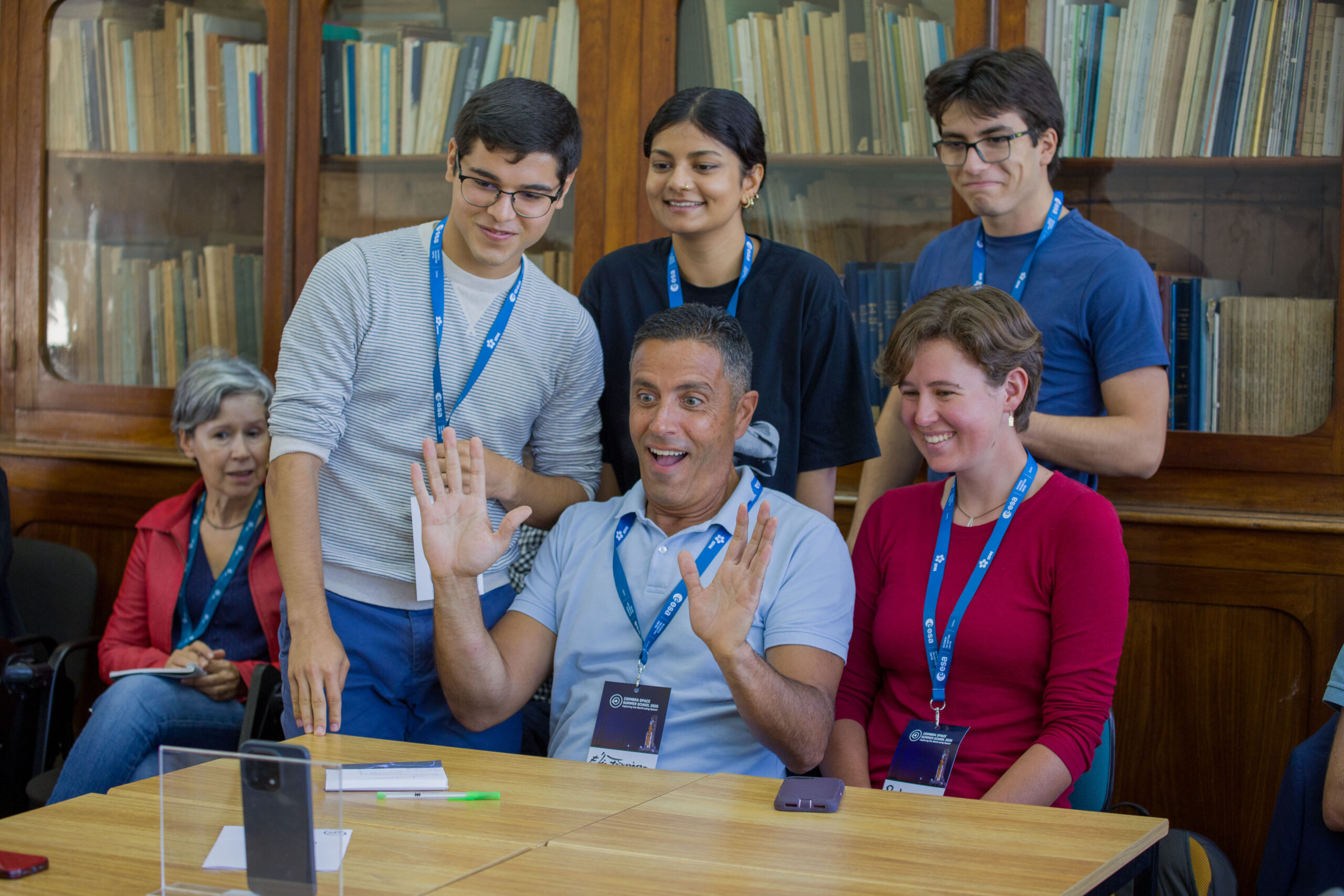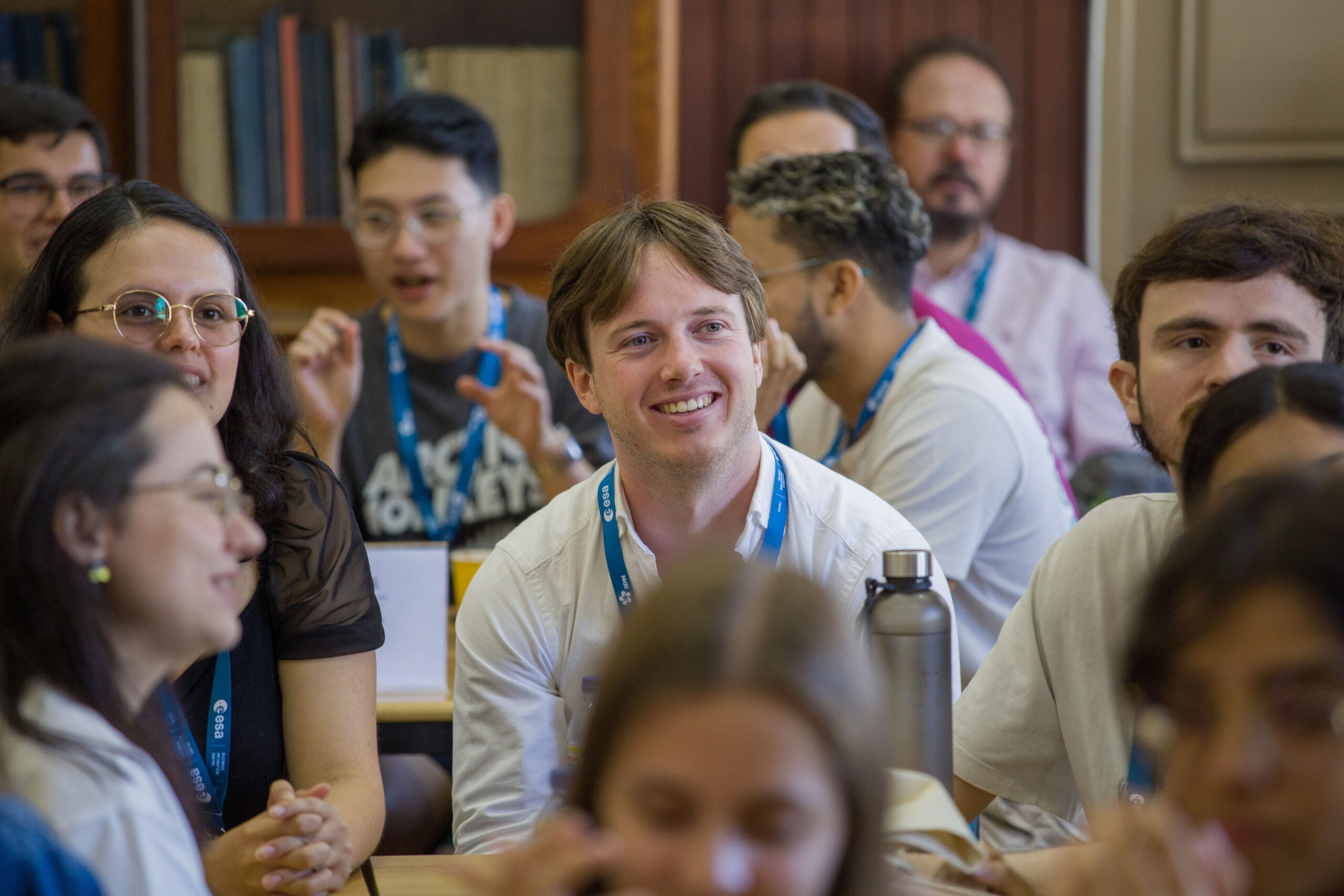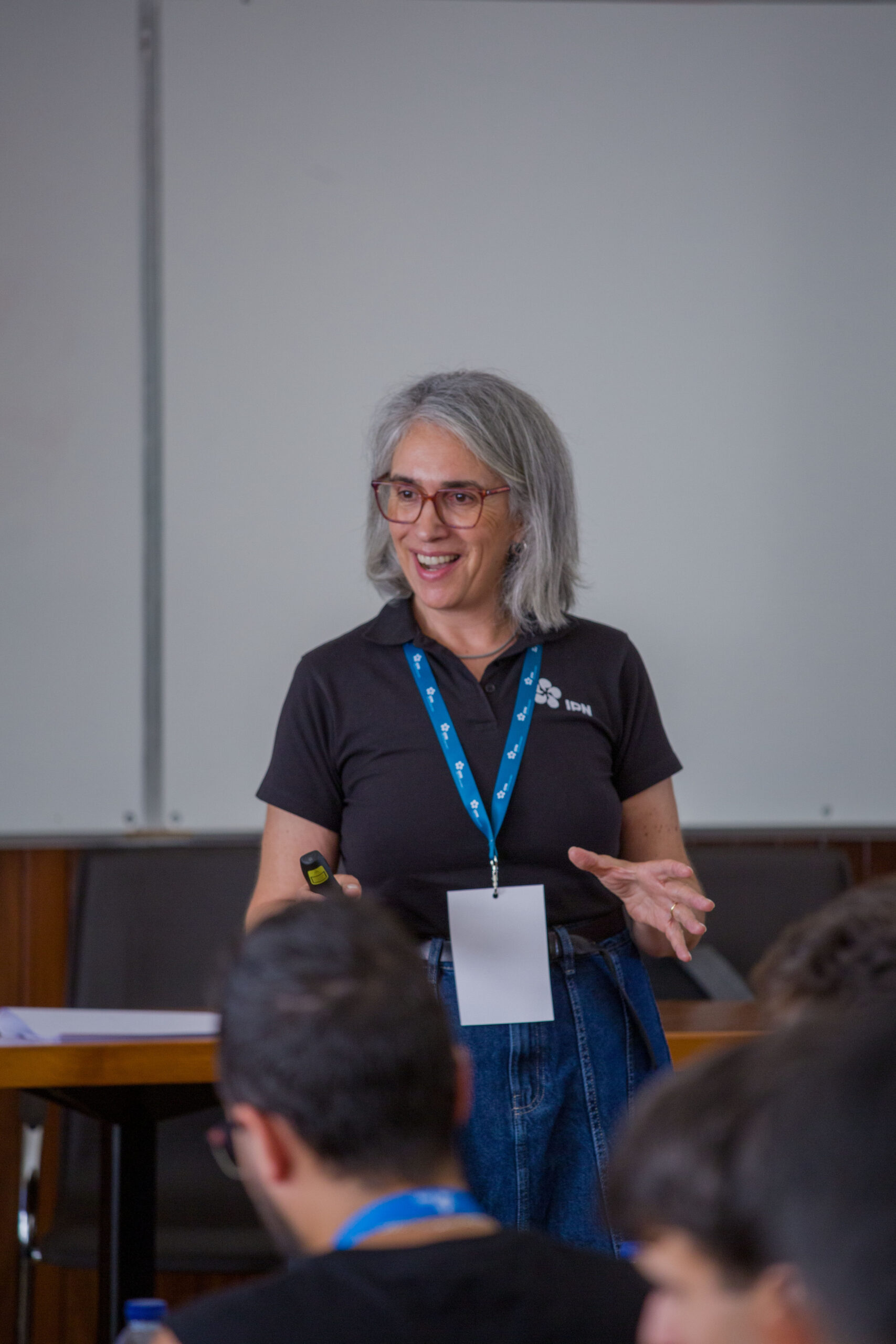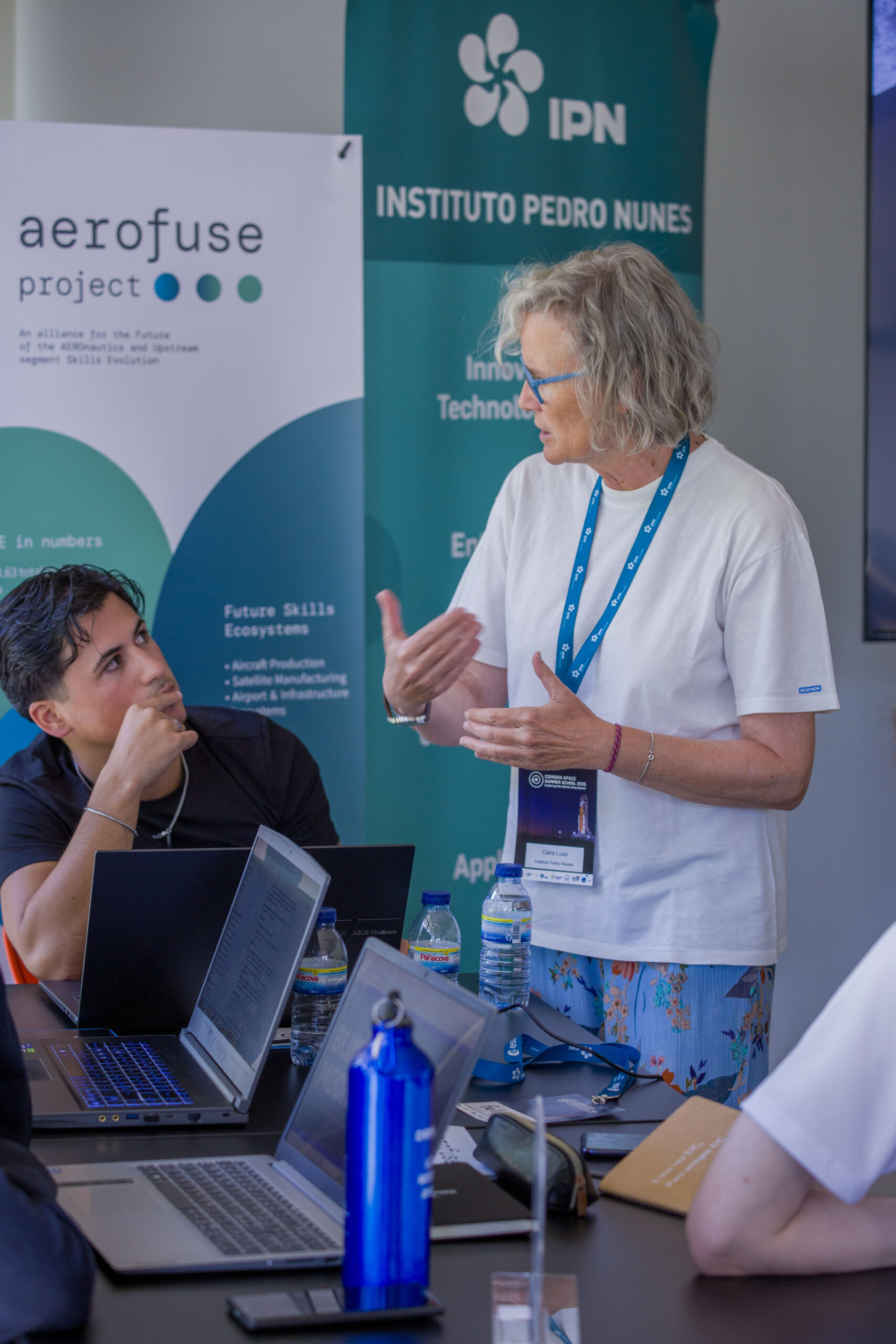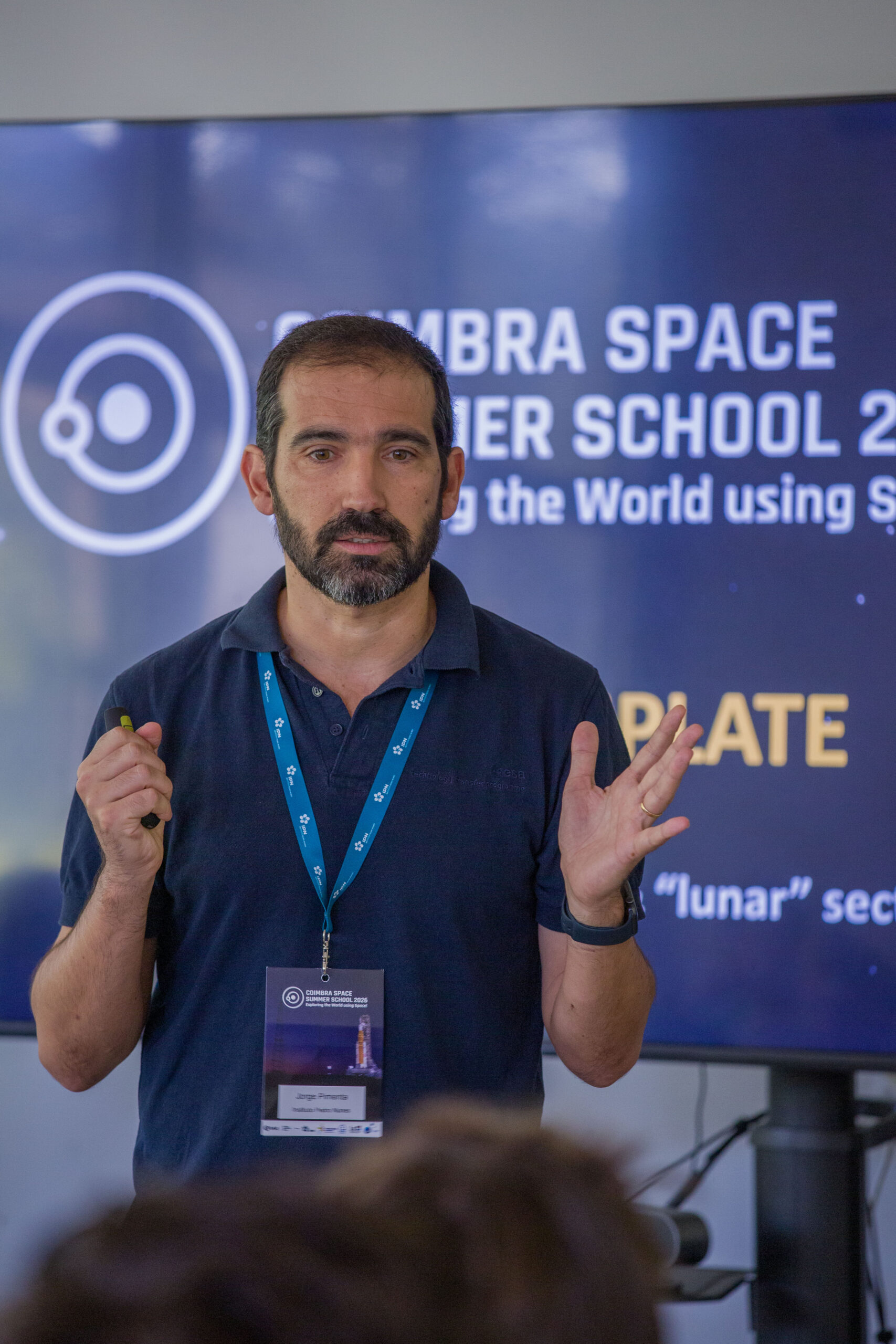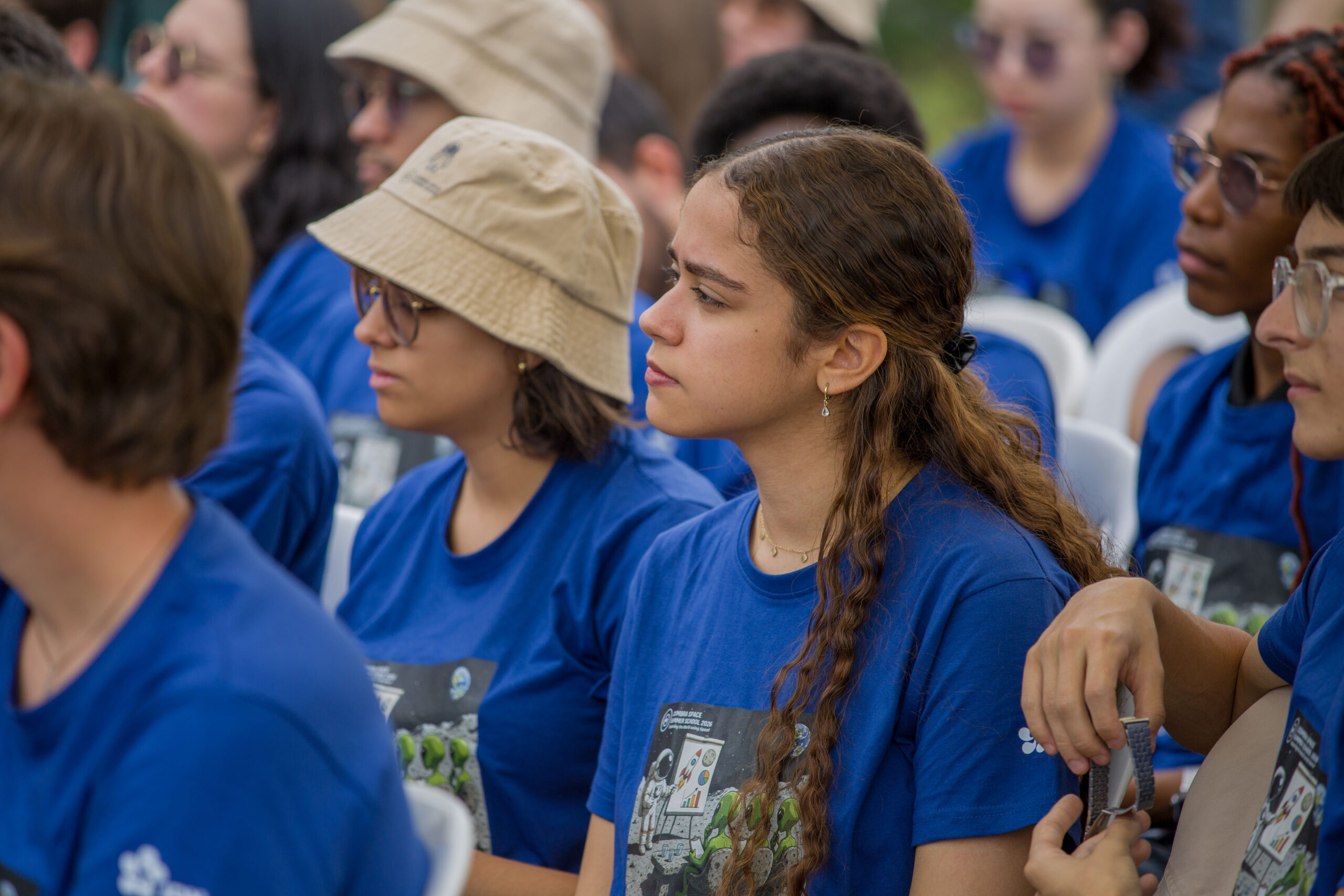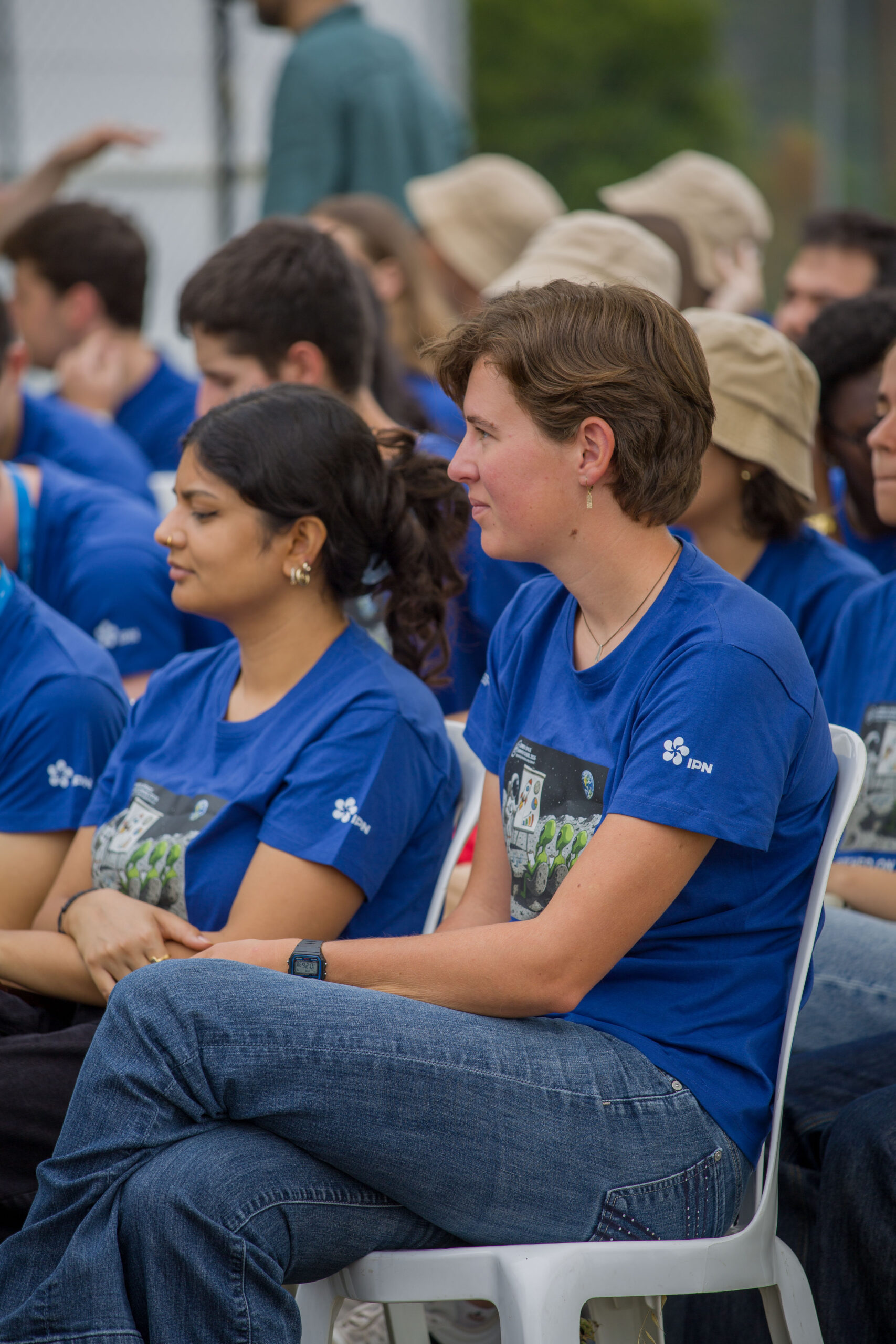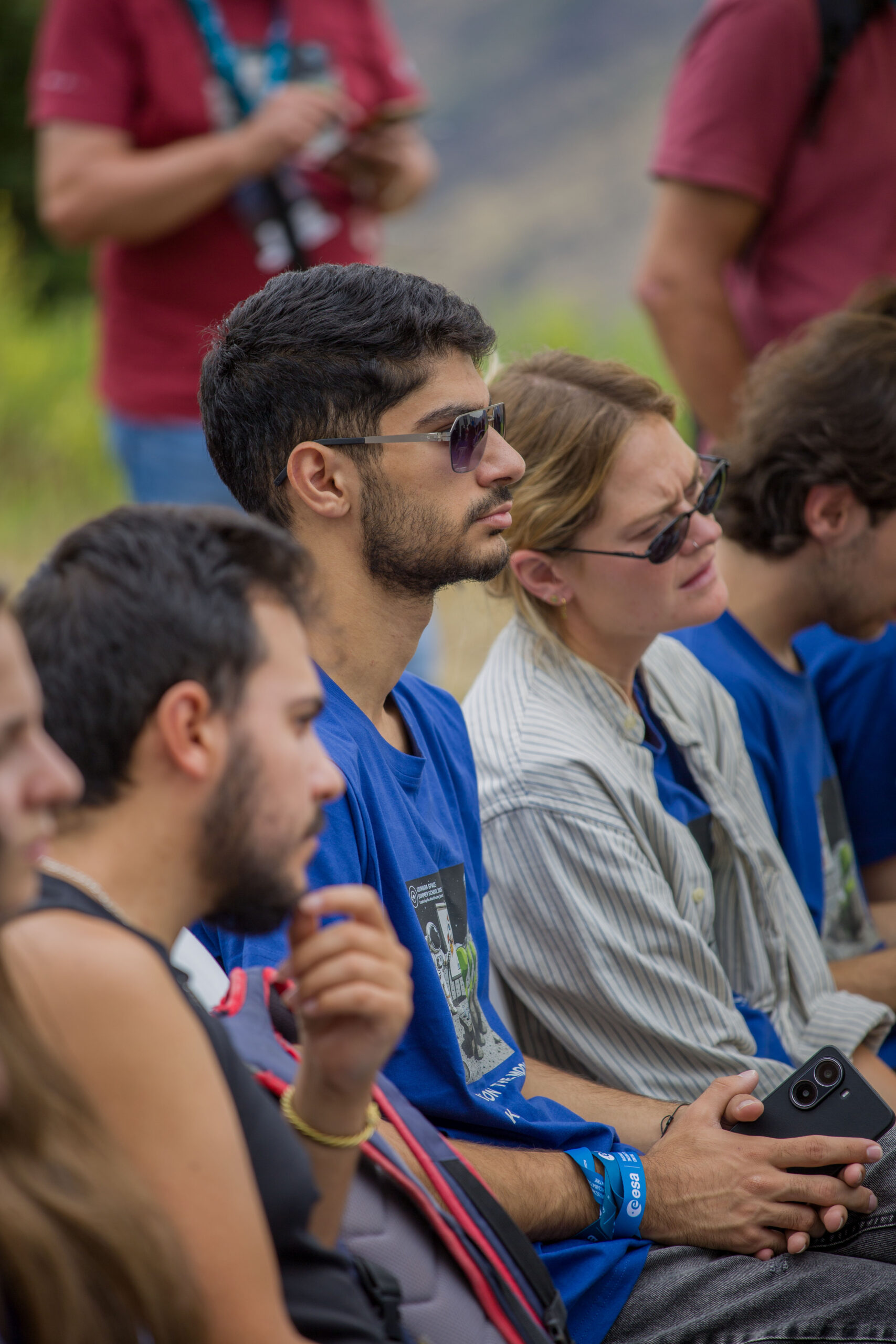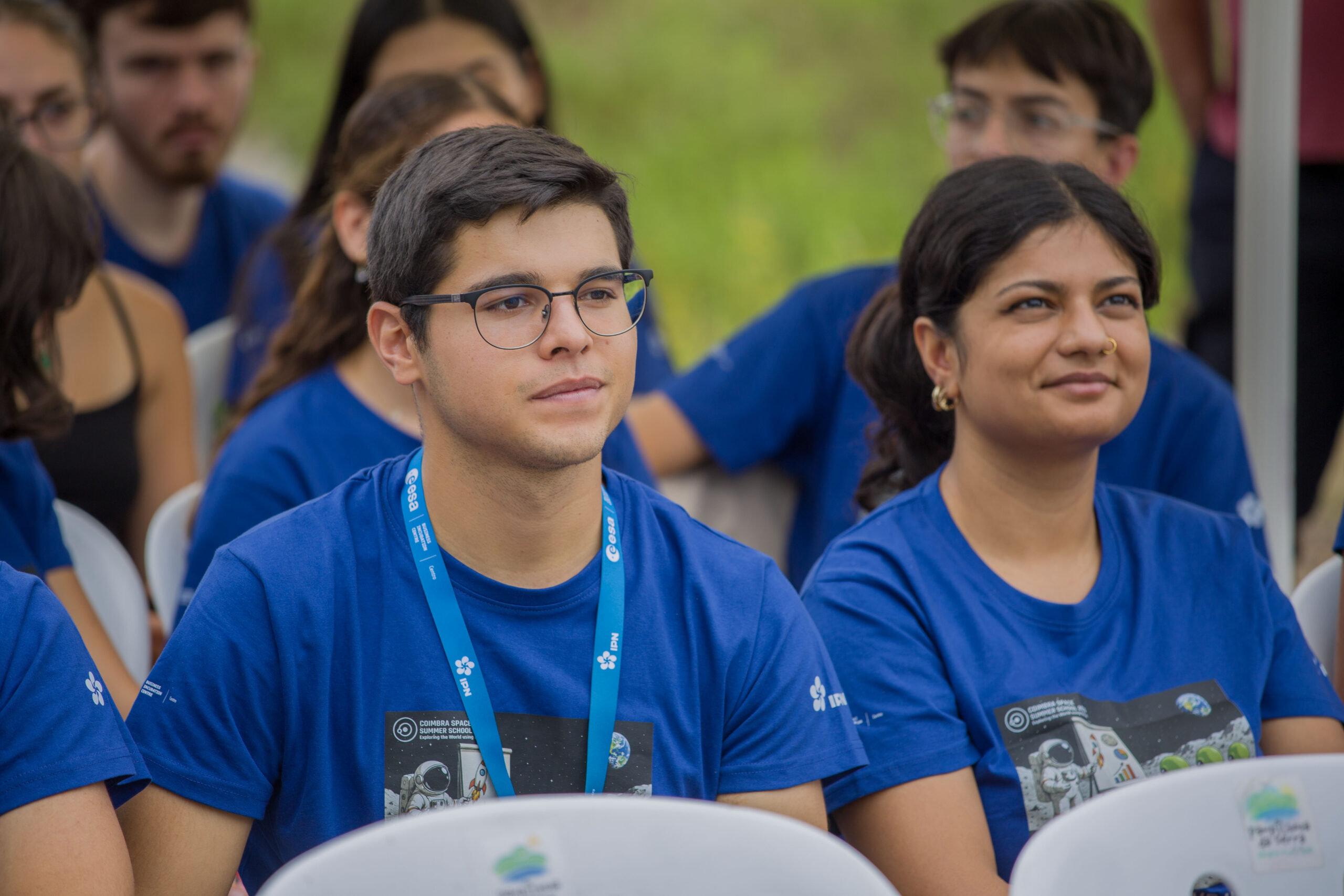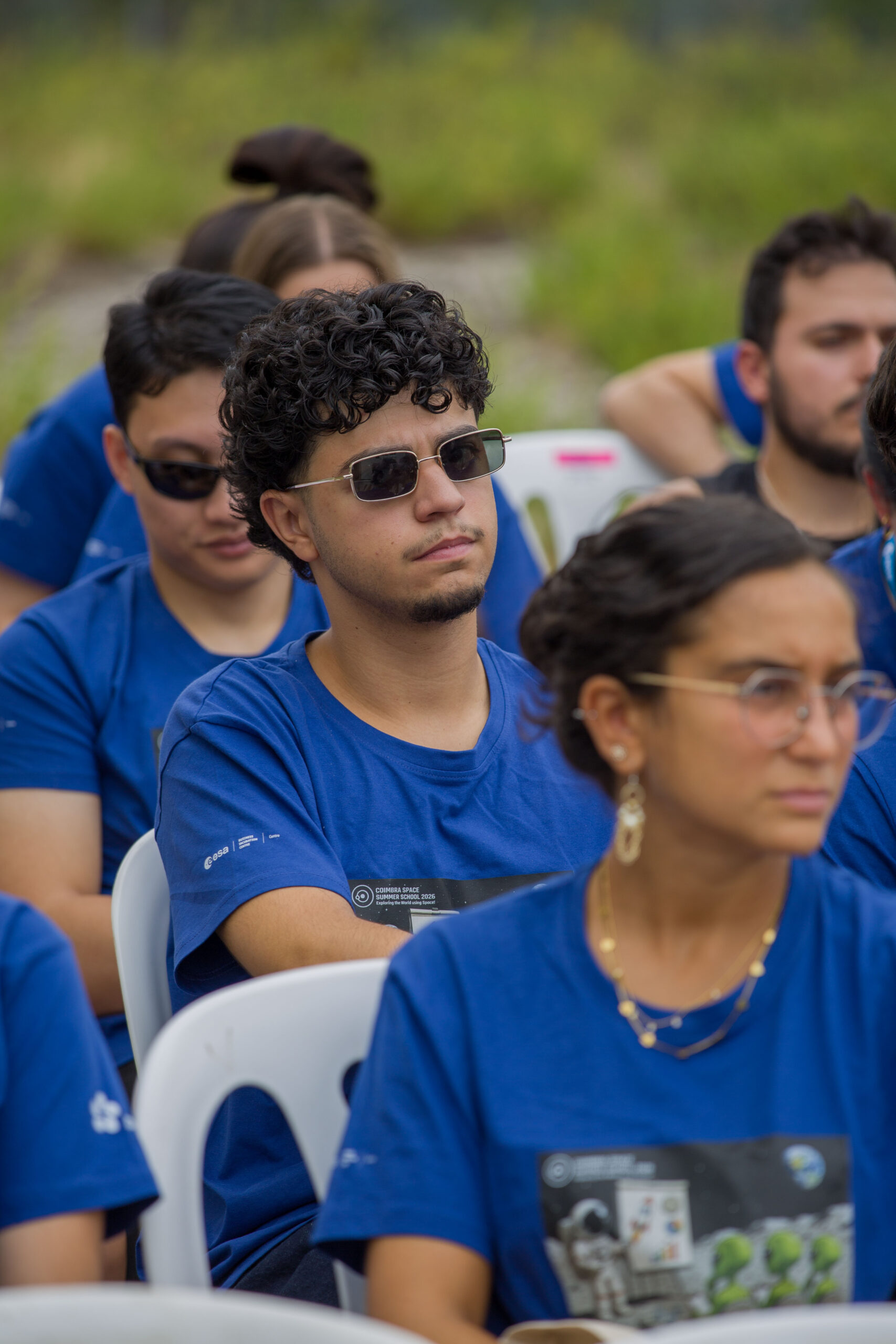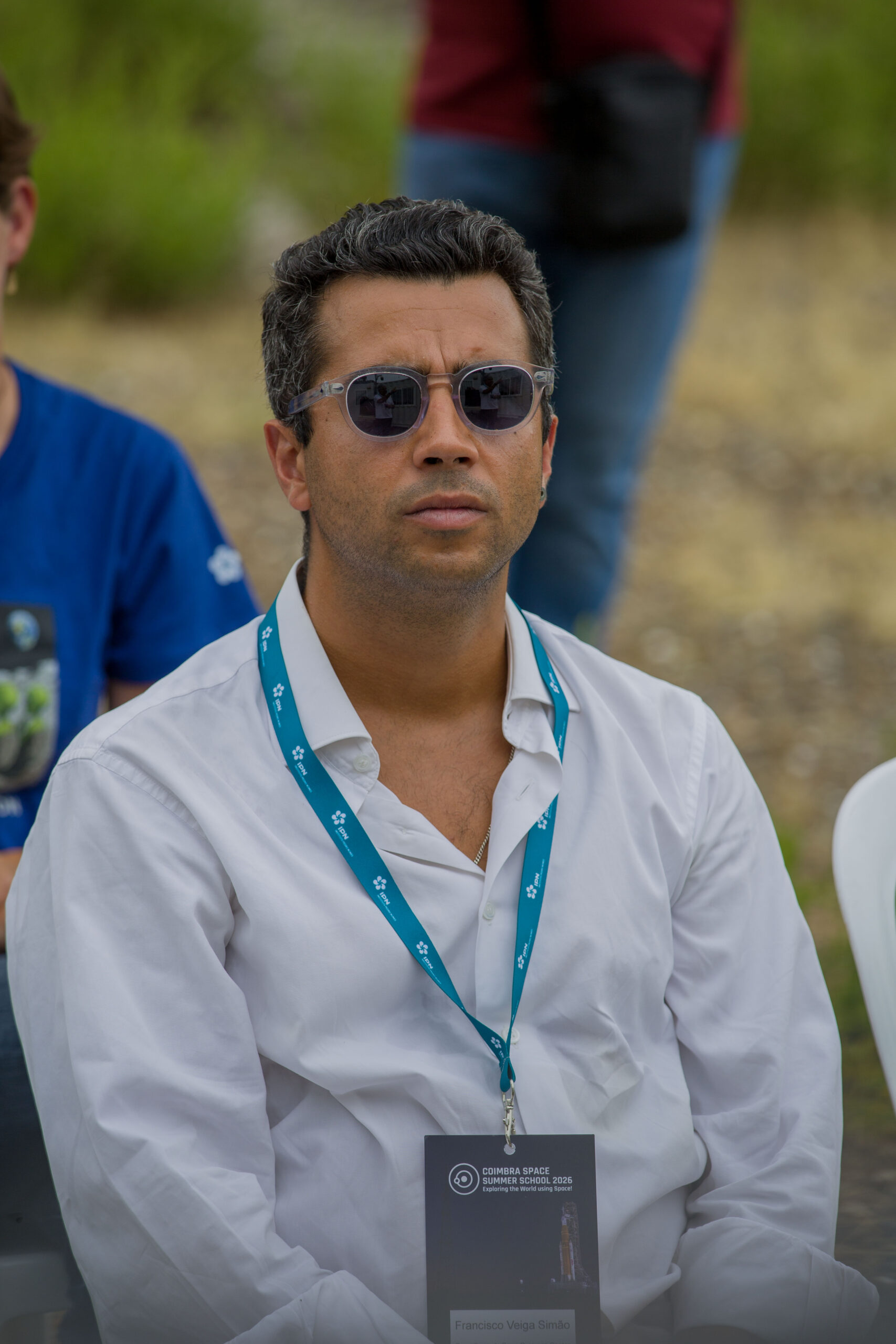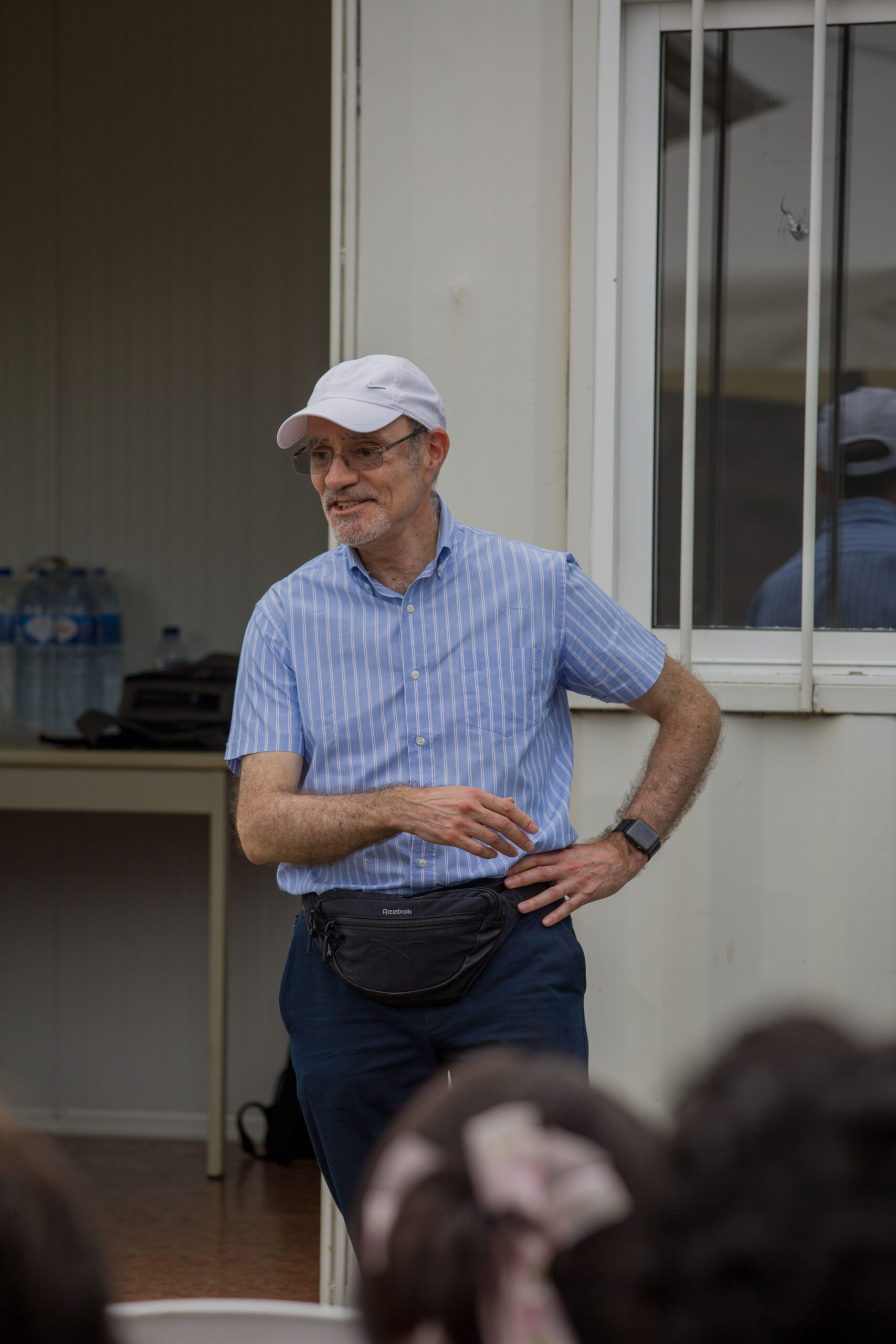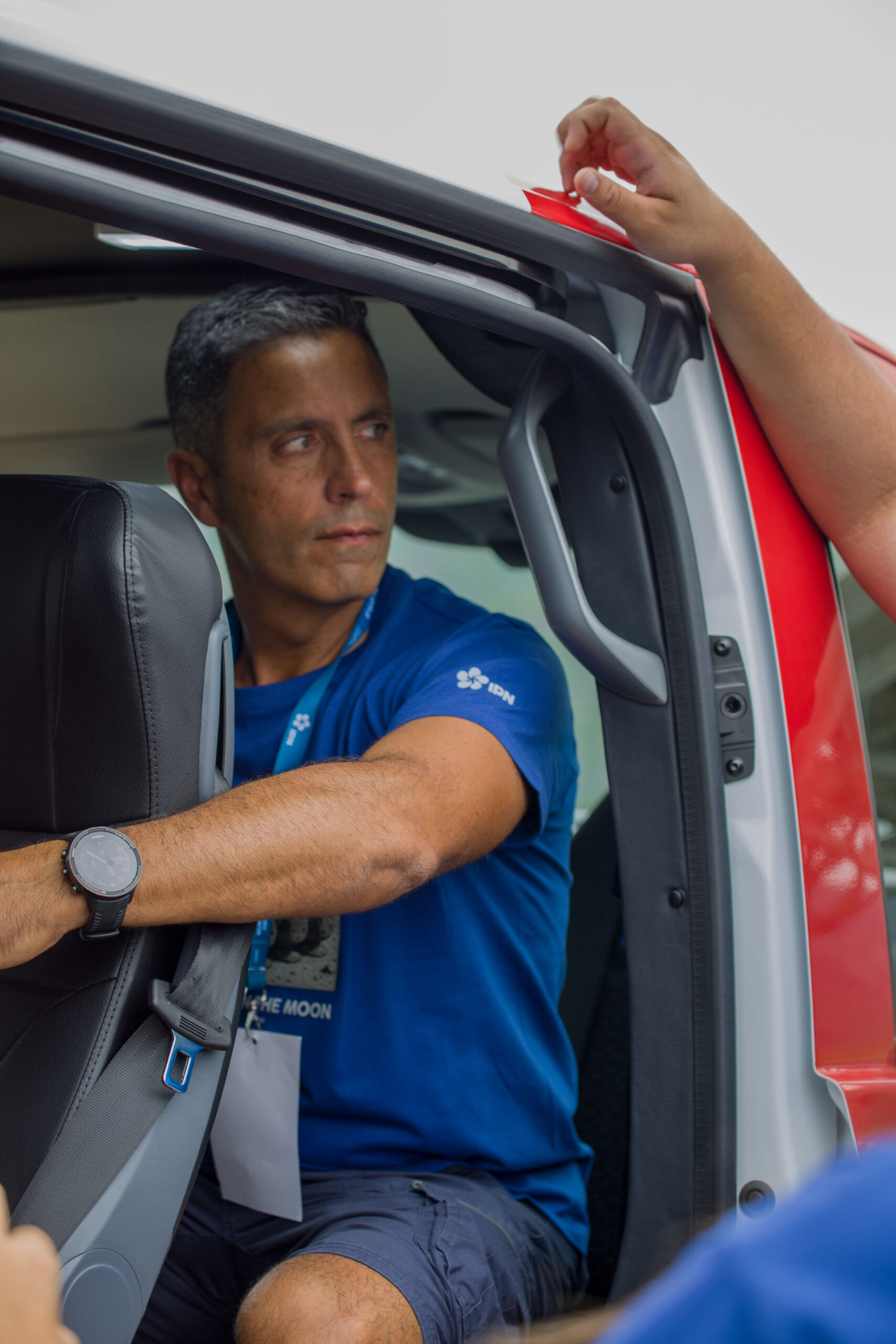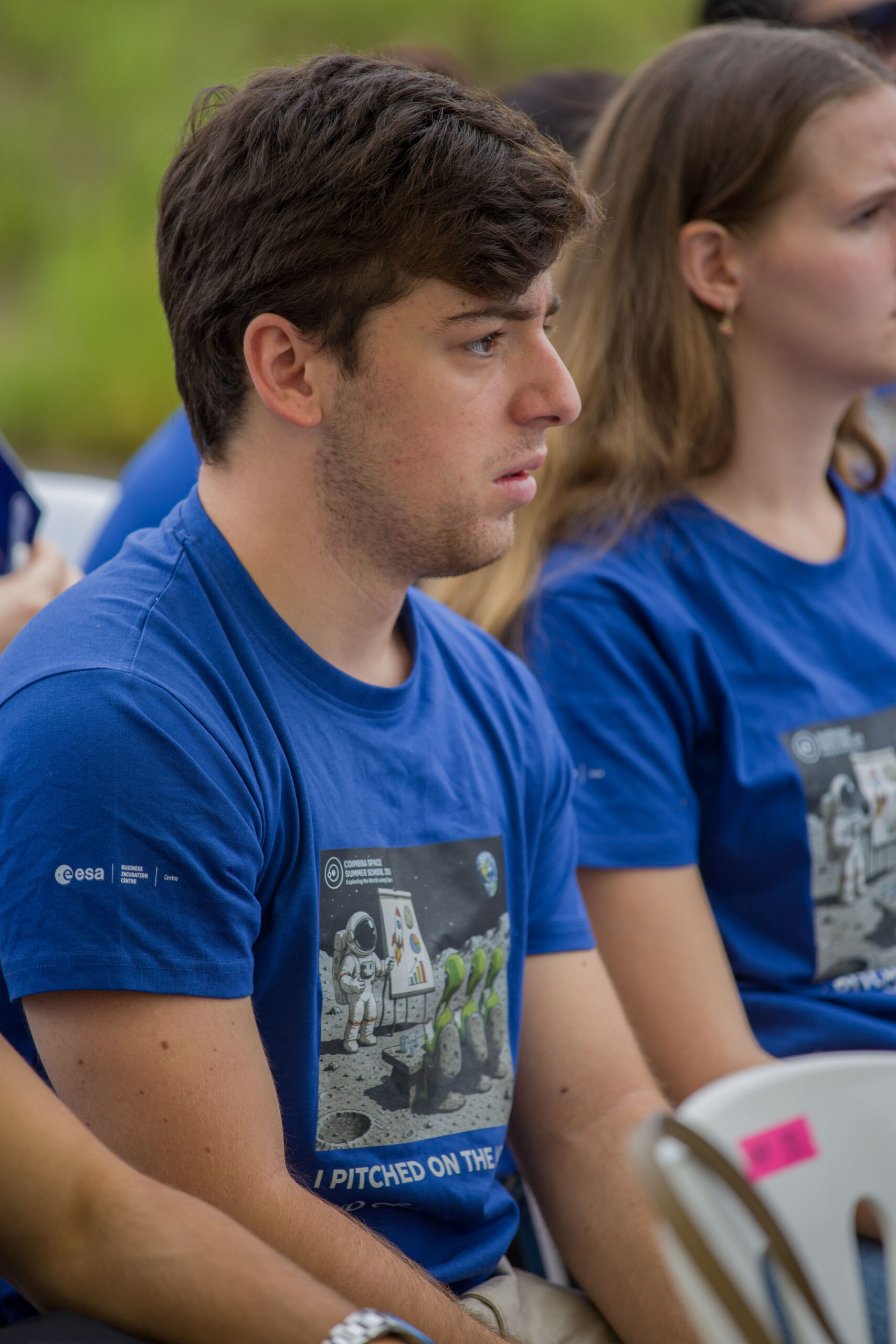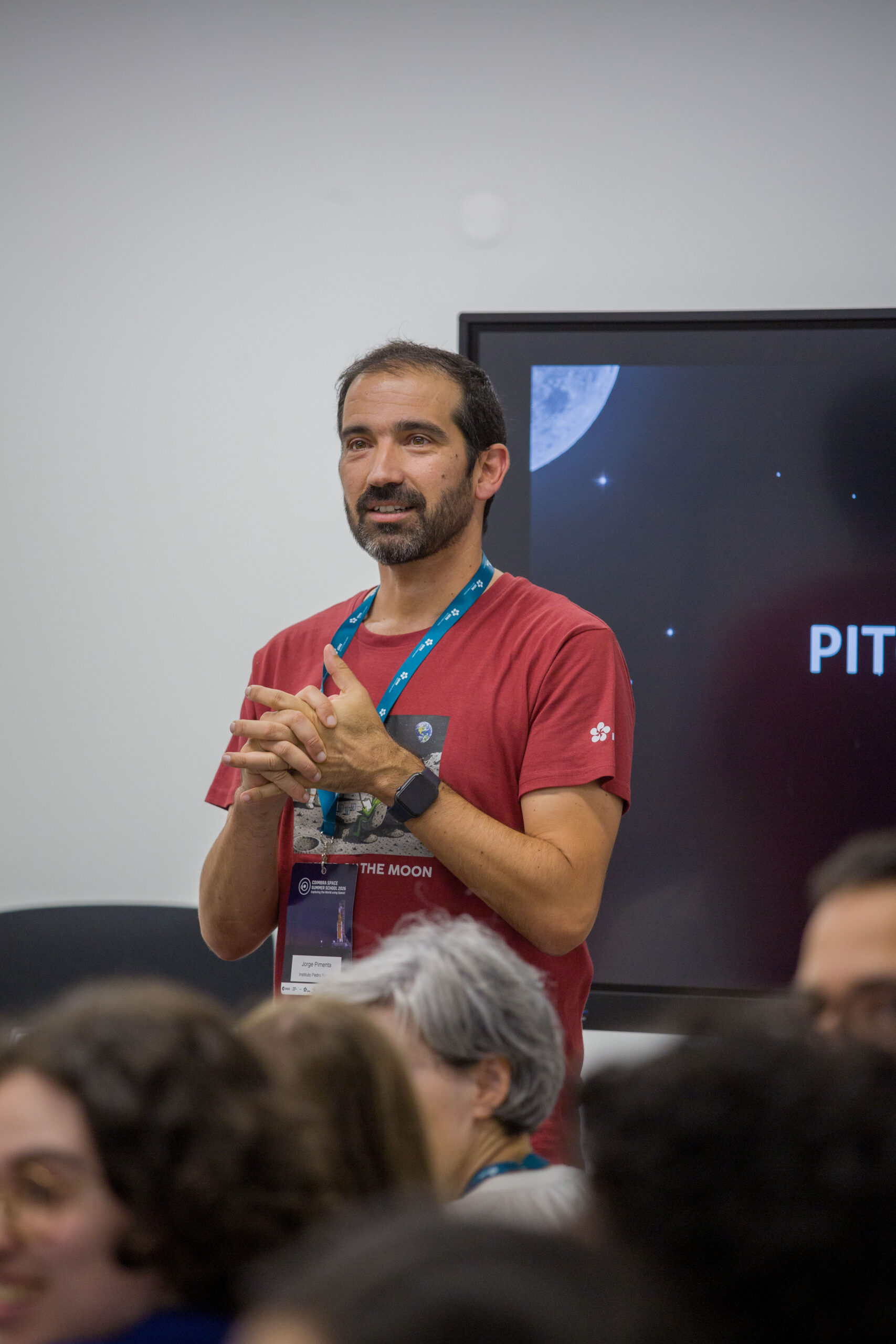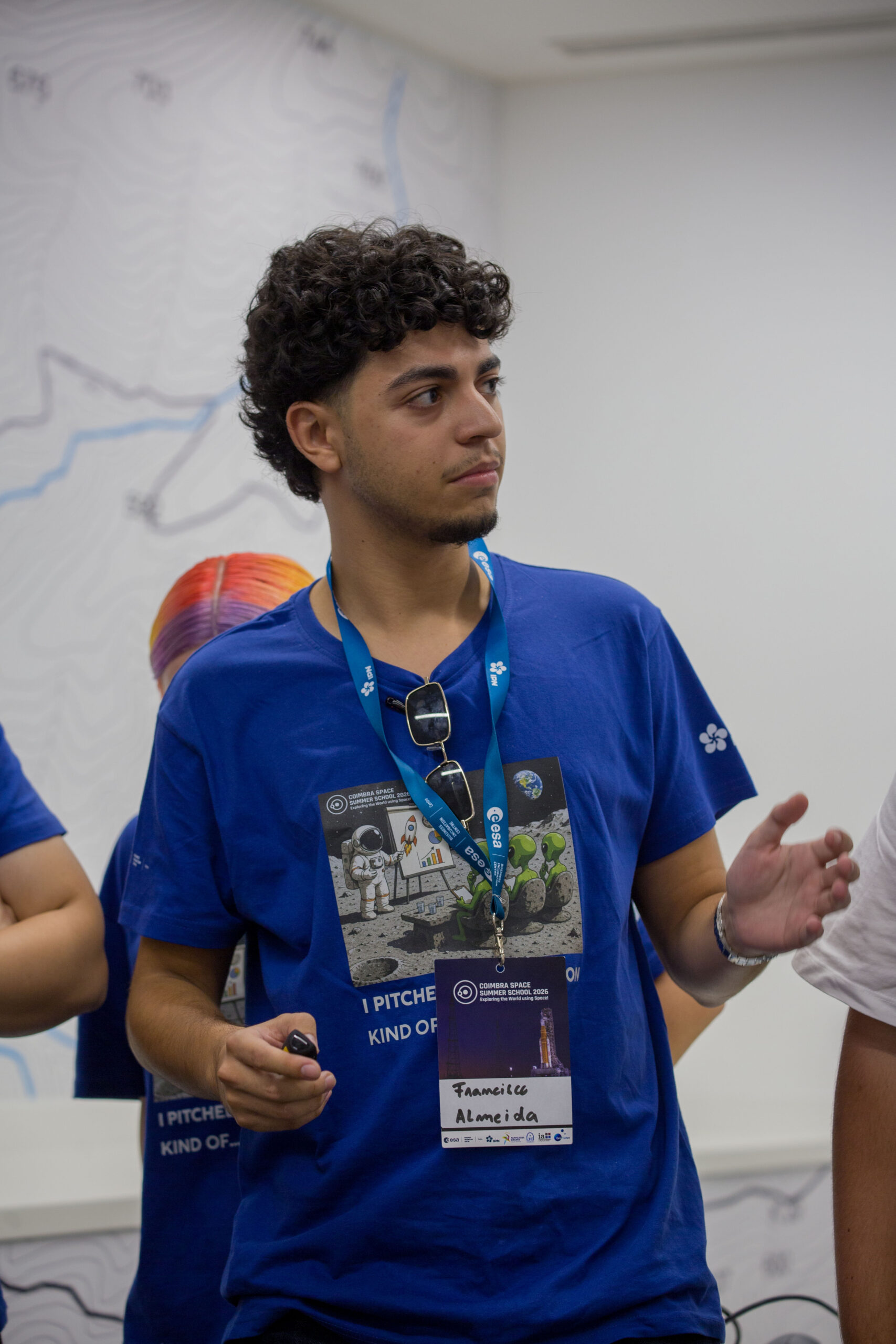
Instituto Pedro Nunes (IPN), through the ESA BIC Centro programme, organised the 12th edition of the Coimbra Space Summer School (CSSS), in partnership with the Geophysical and Astronomical Observatory of the University of Coimbra (OGAUC), the Erasmus Mundus Joint Master’s Degree in Planetary Geosciences – GeoPlaNet, and the Municipality of Pampilhosa da Serra. The event took place from 2 to 4 September 2026.
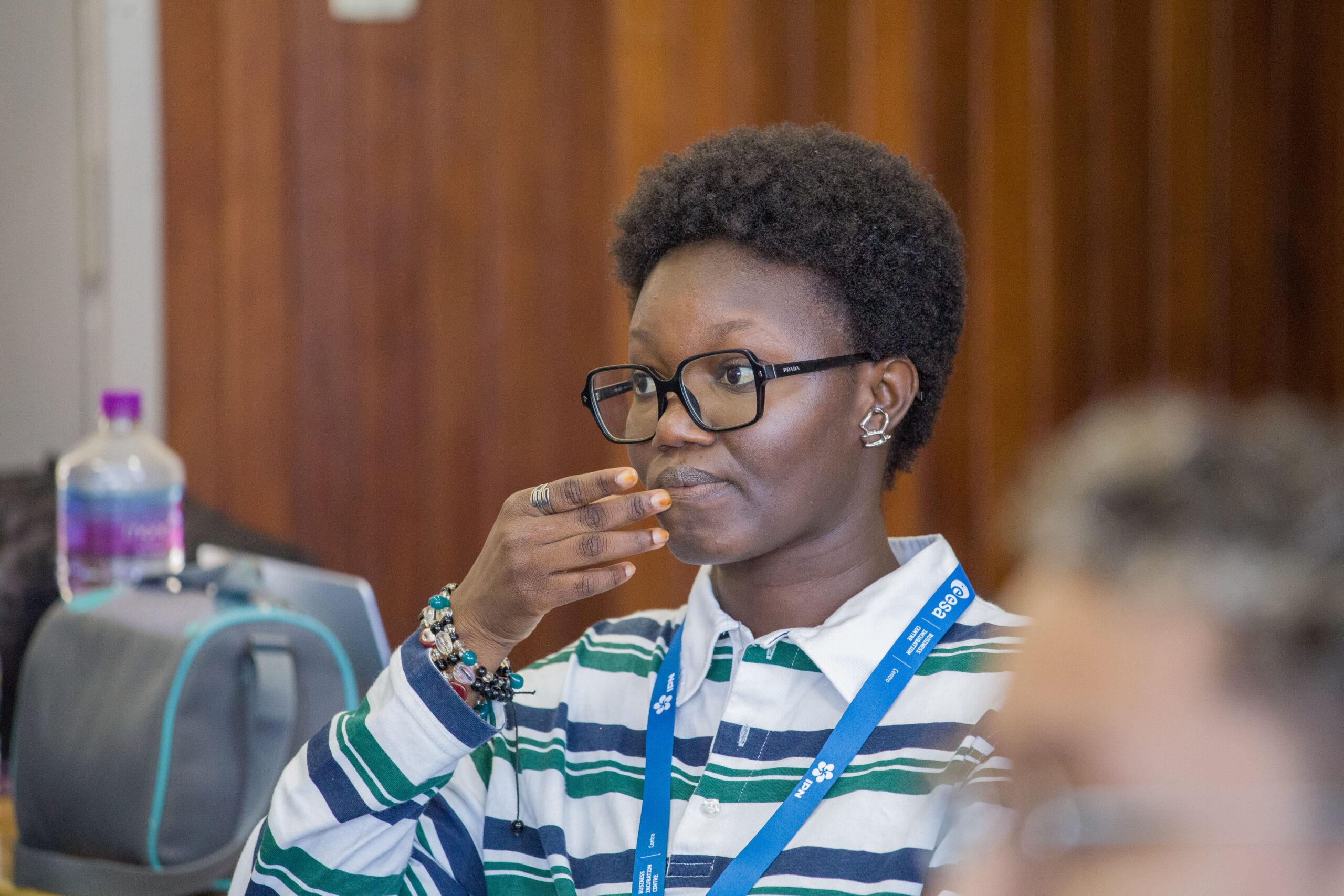
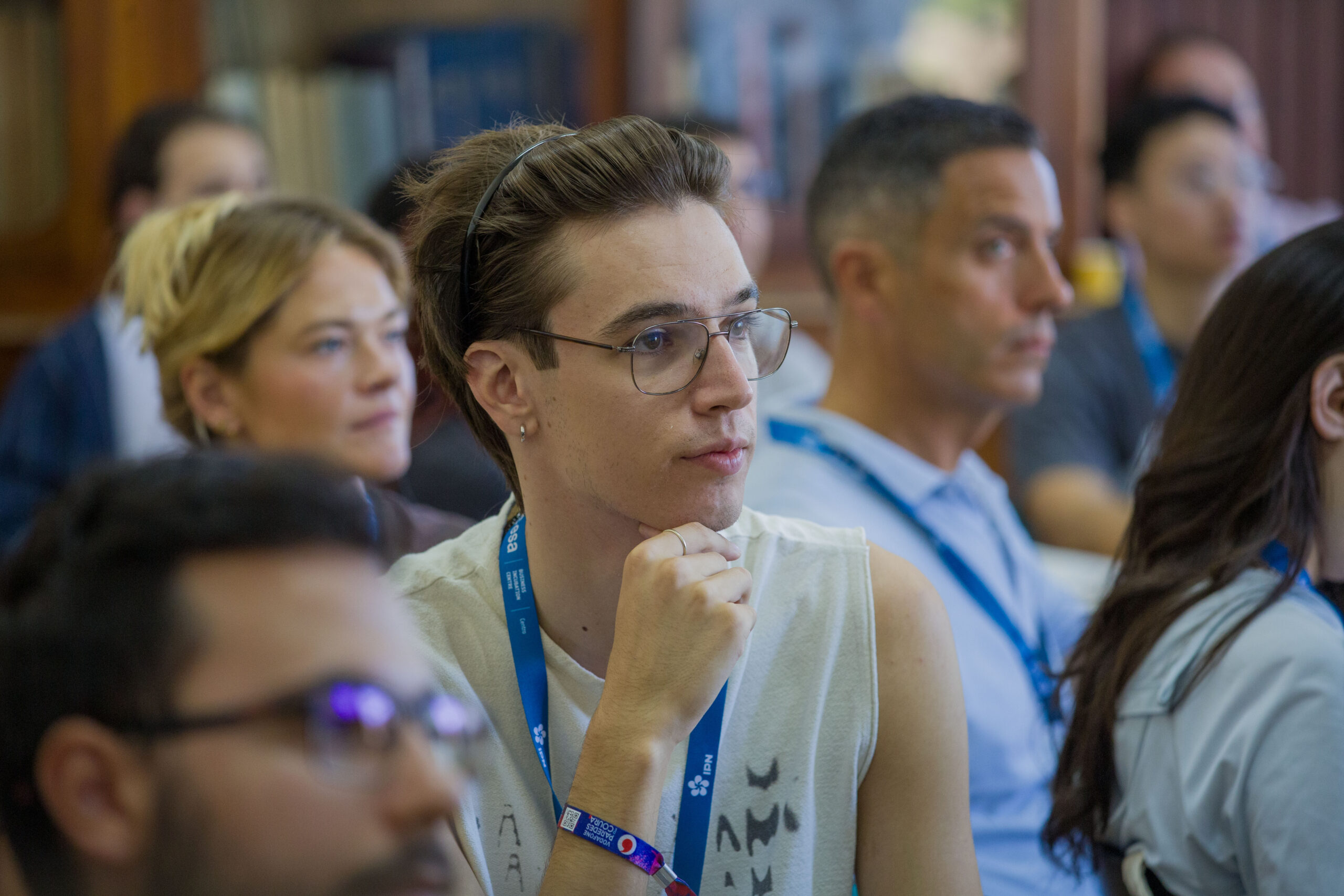
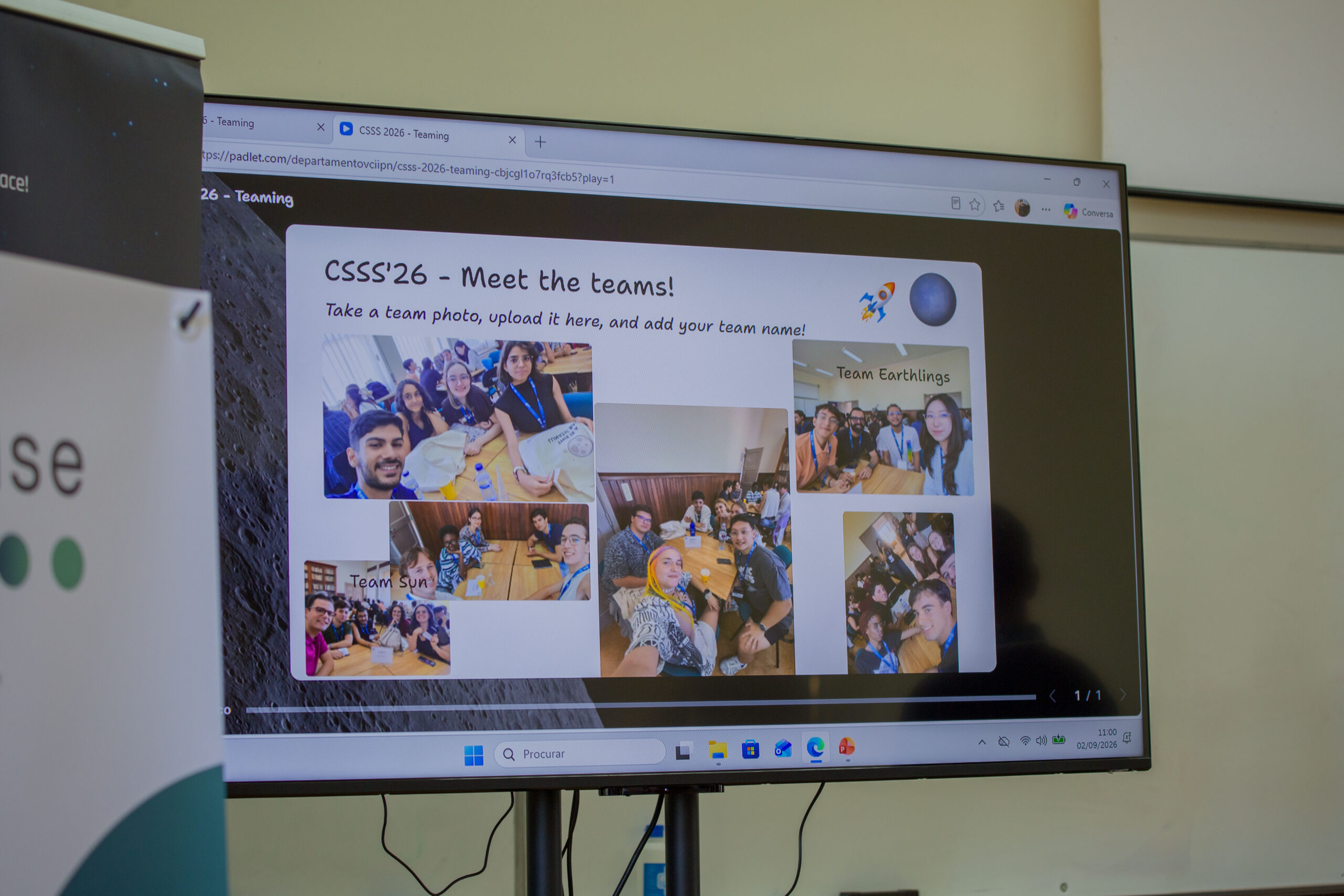
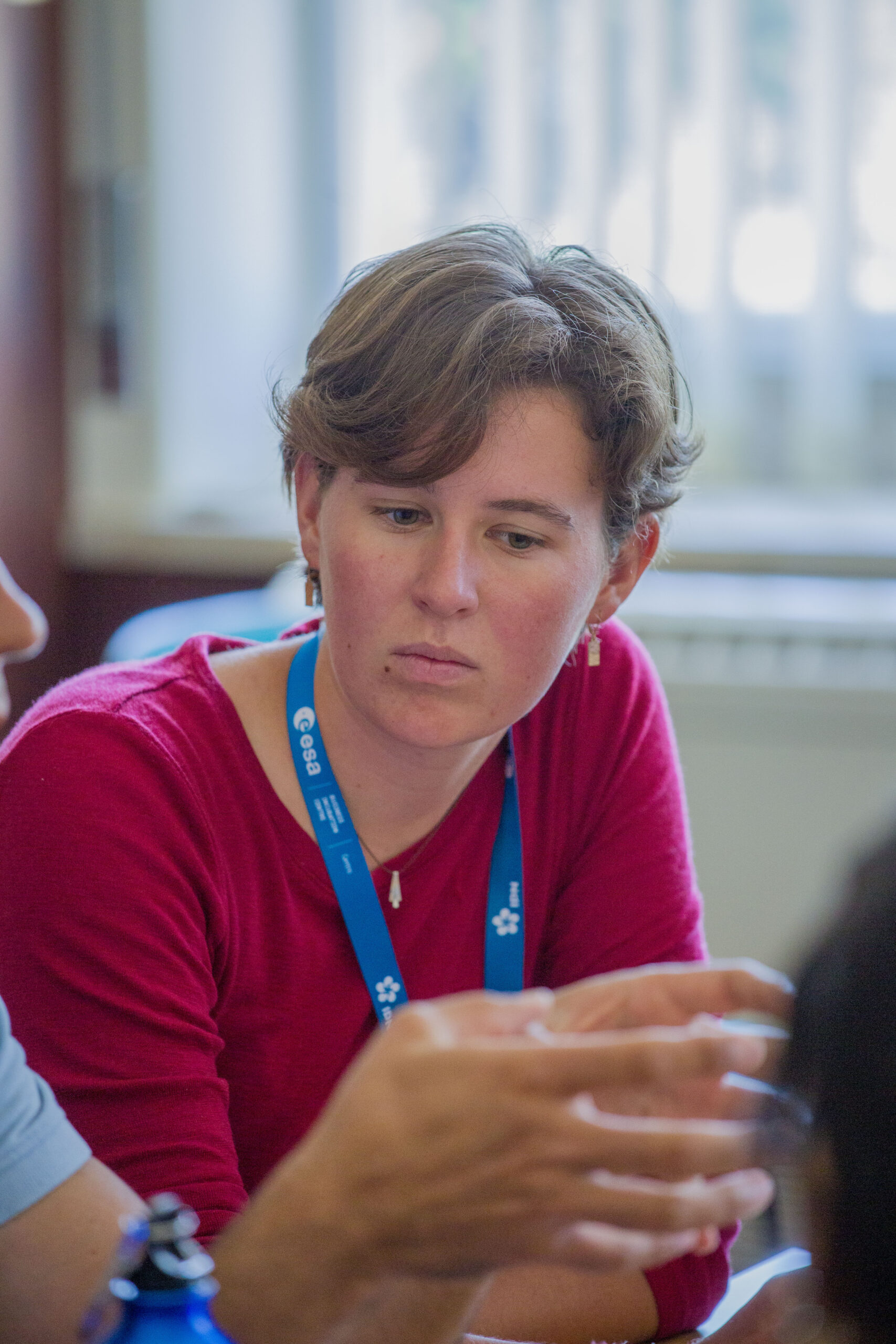
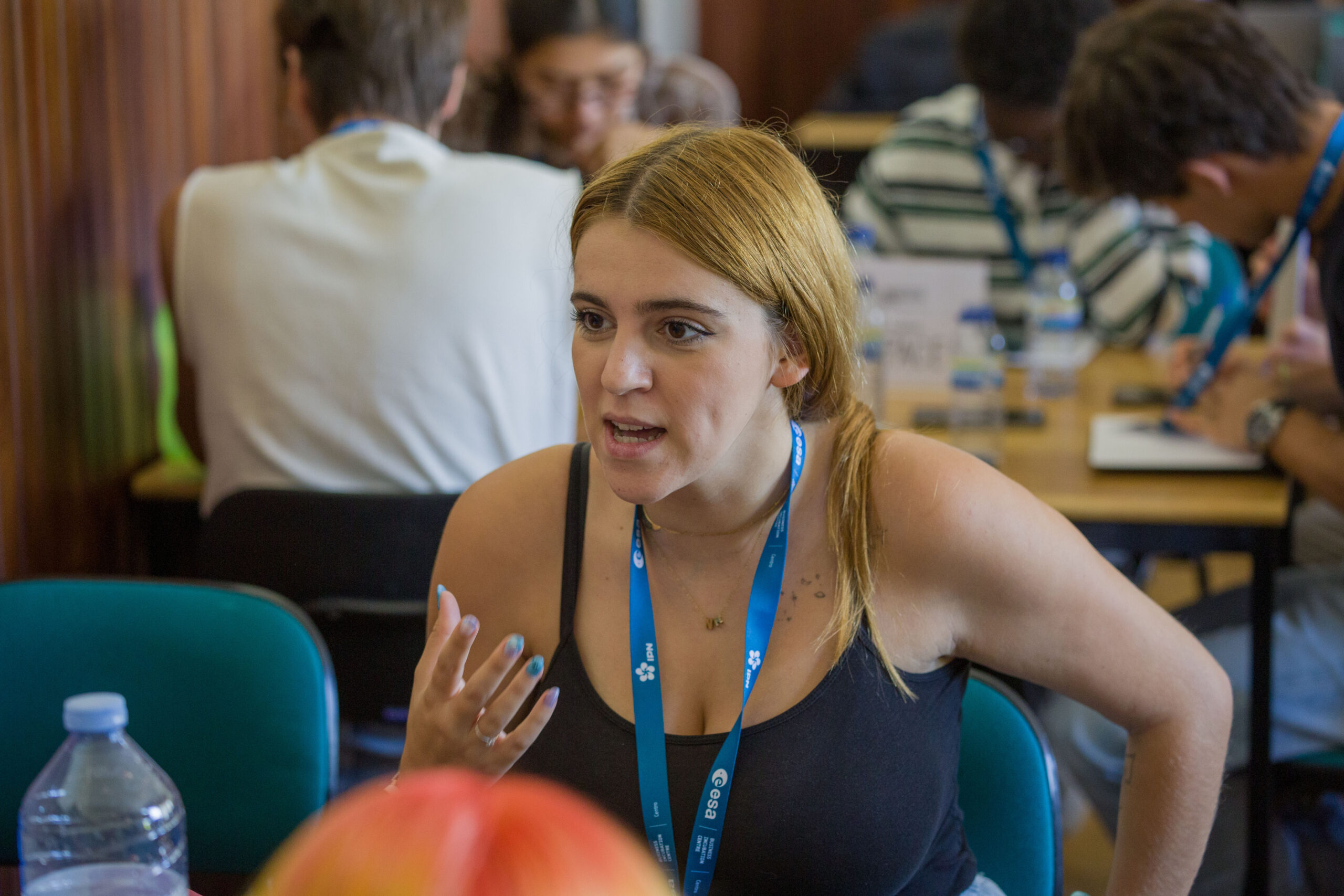
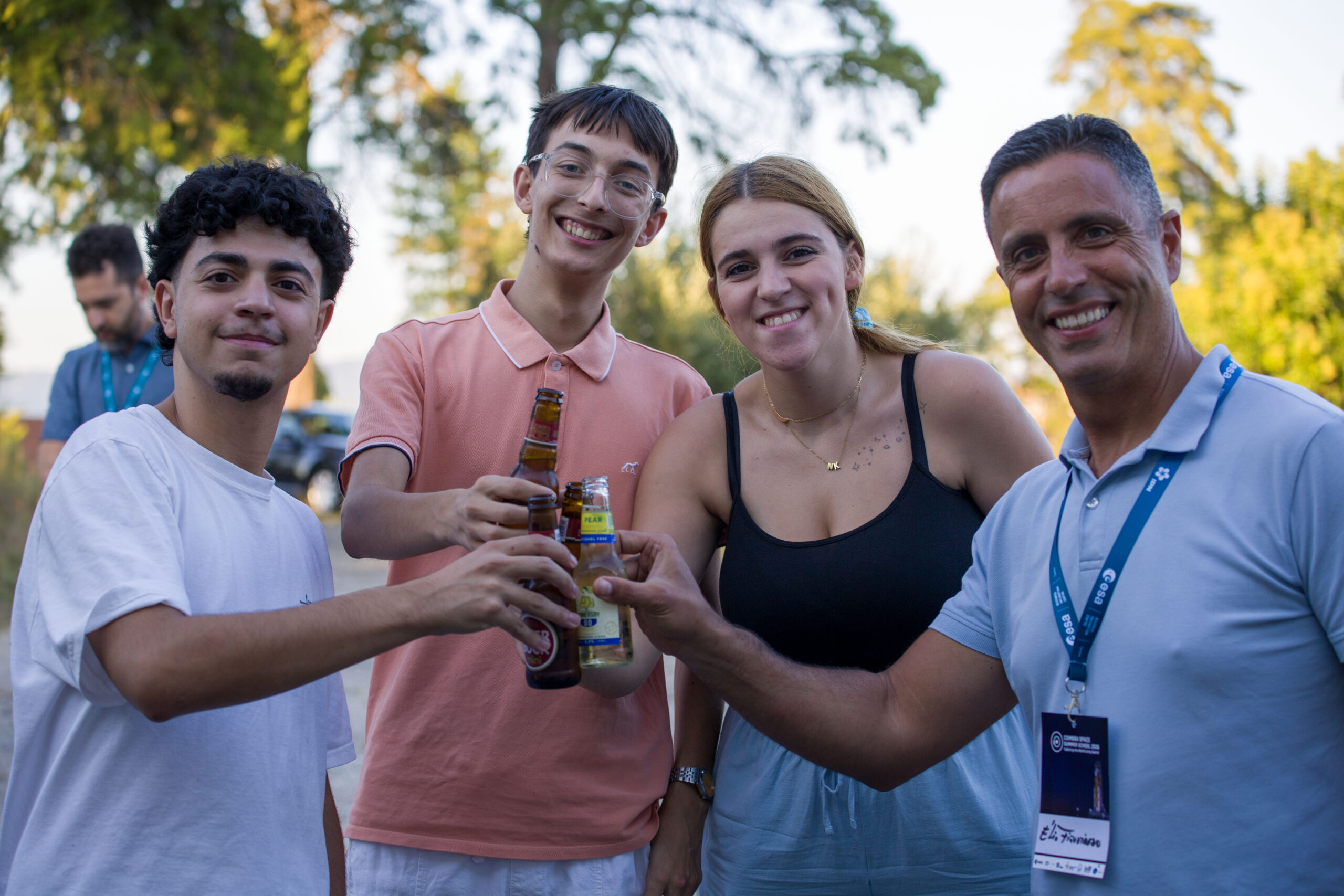
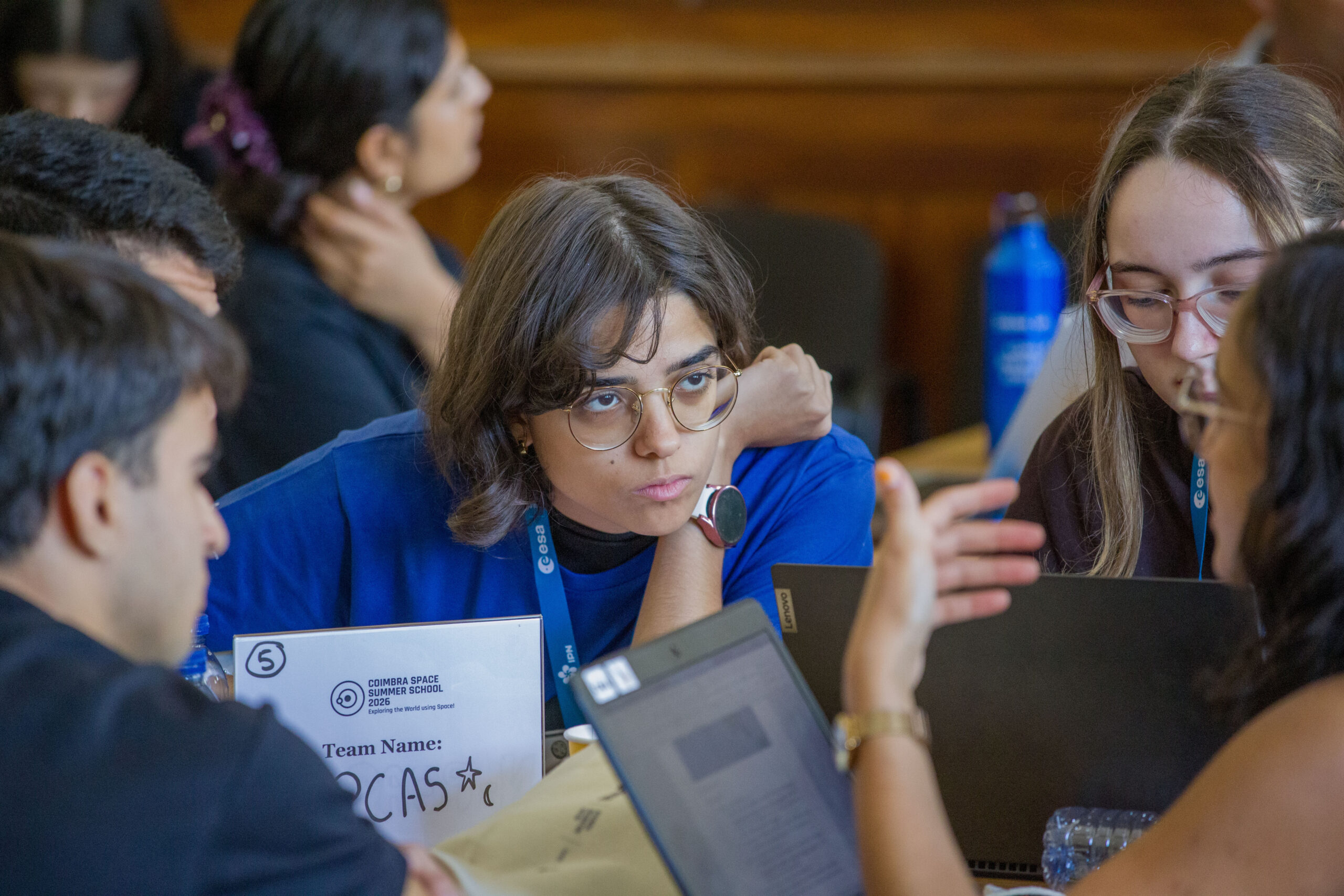
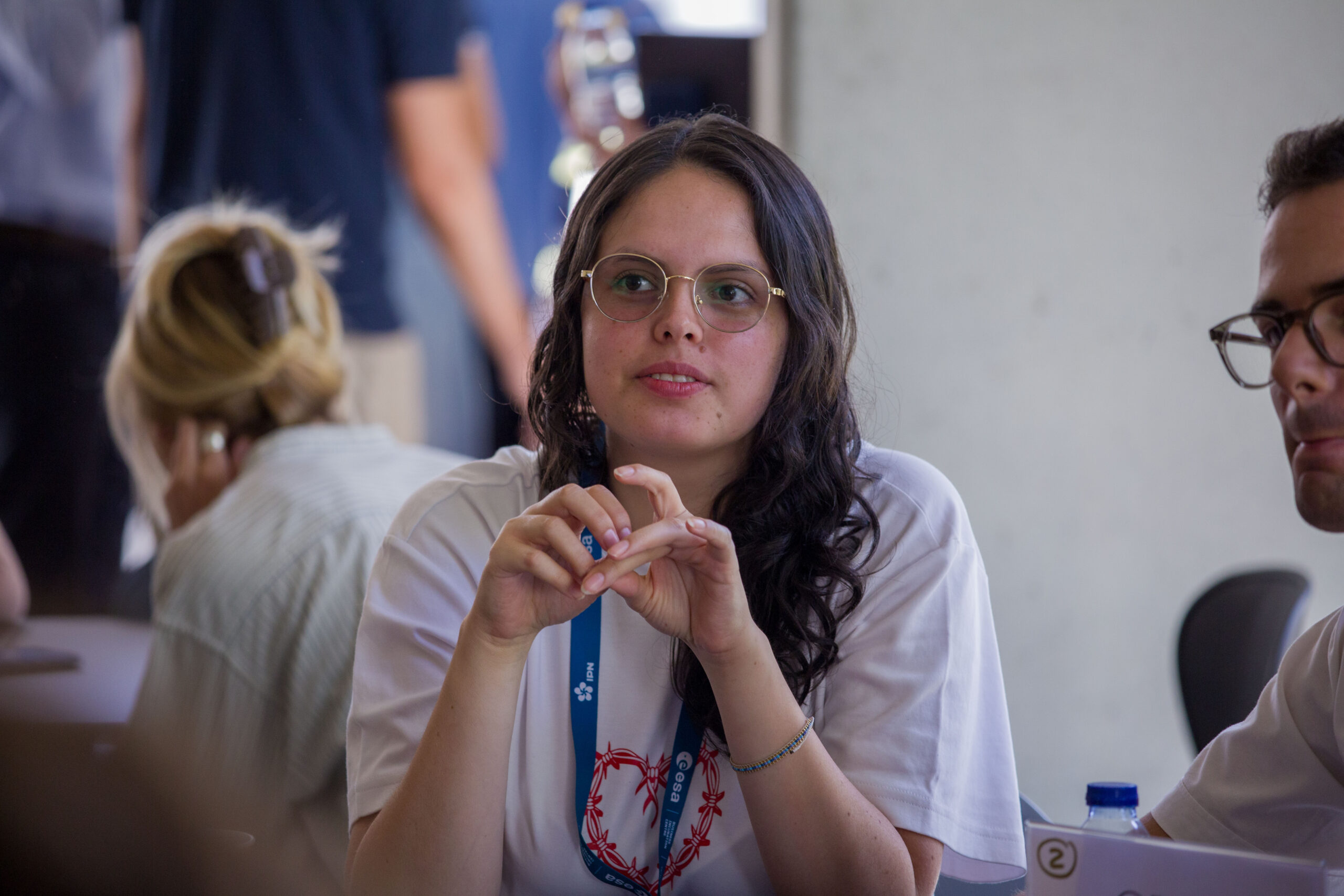
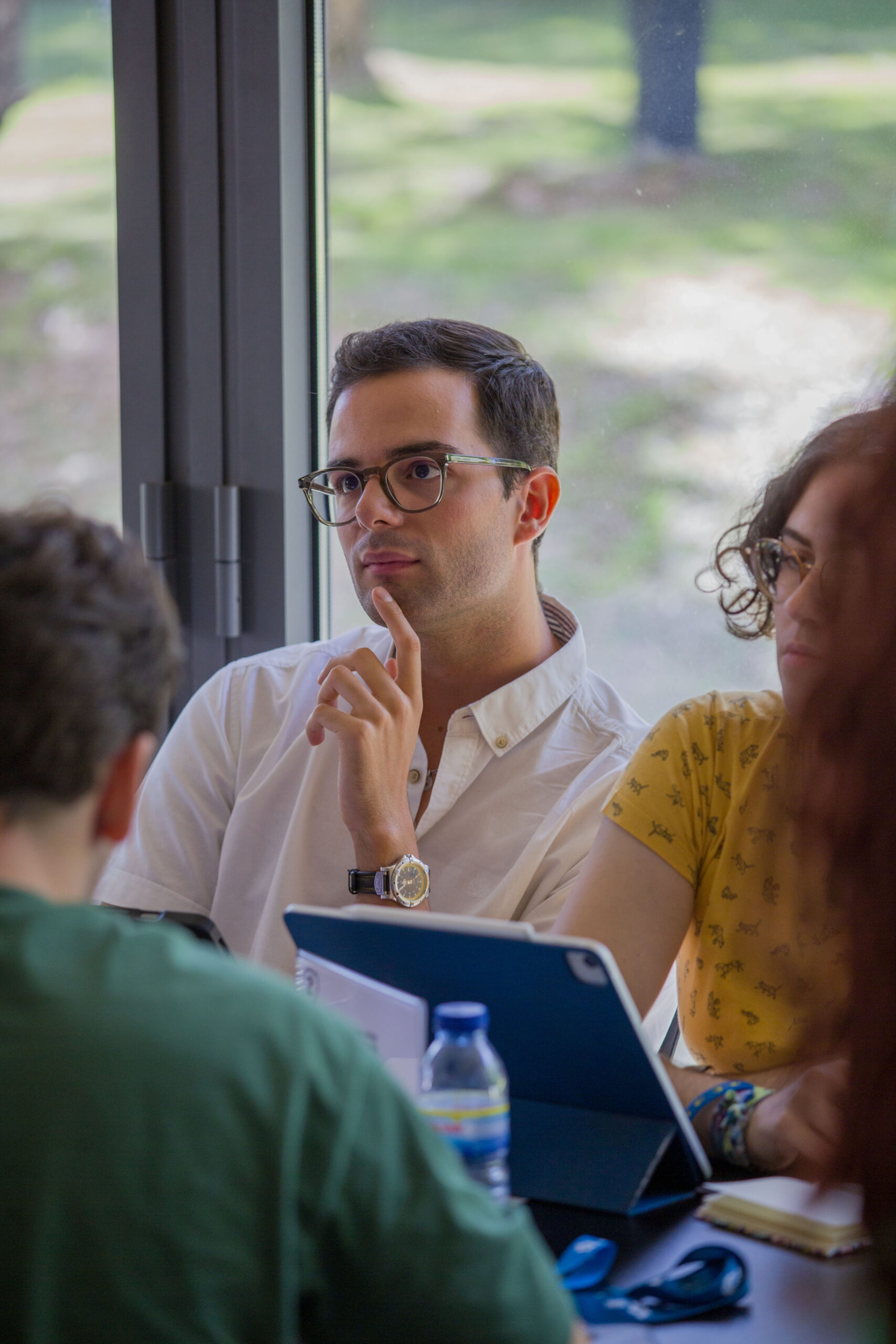
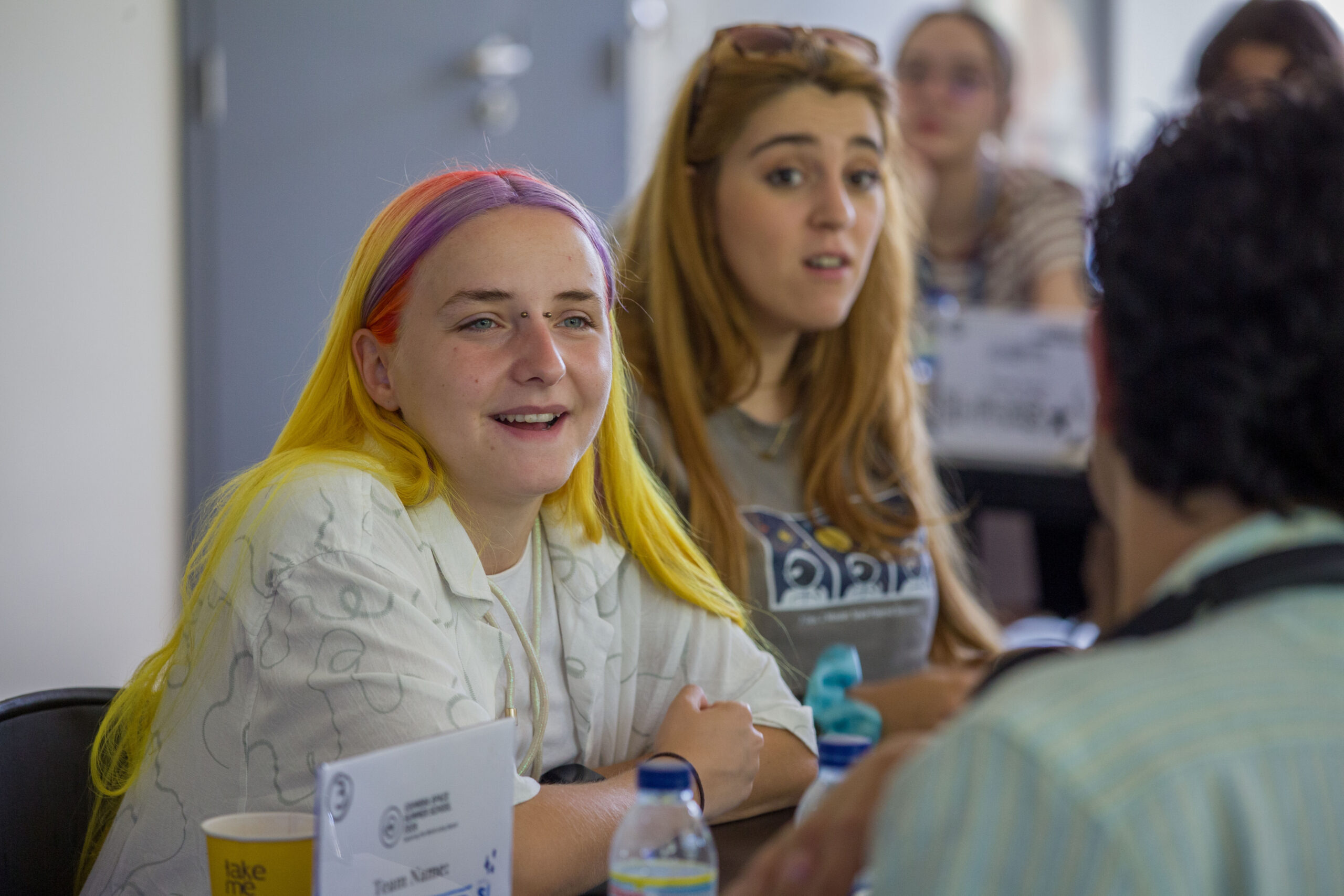
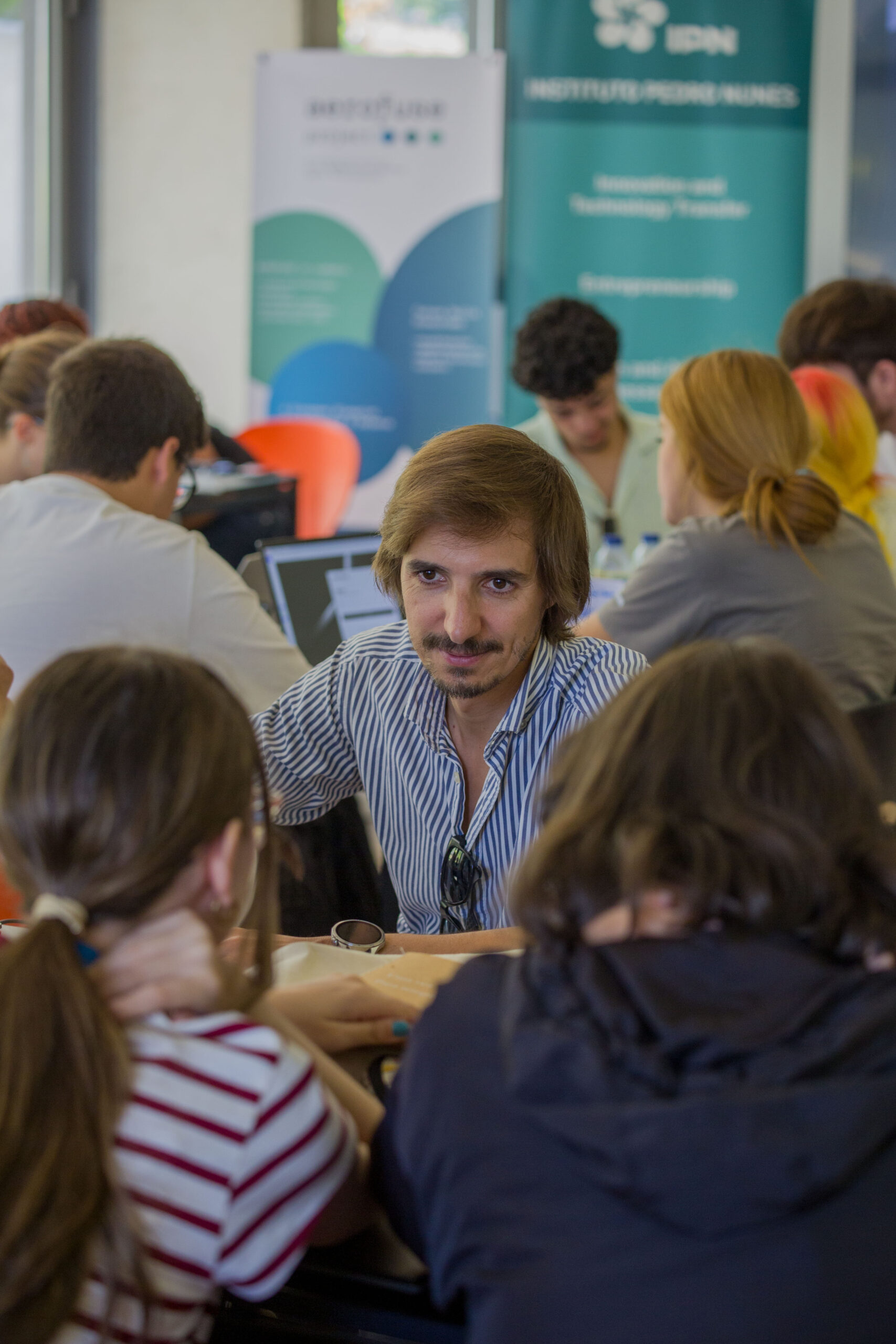
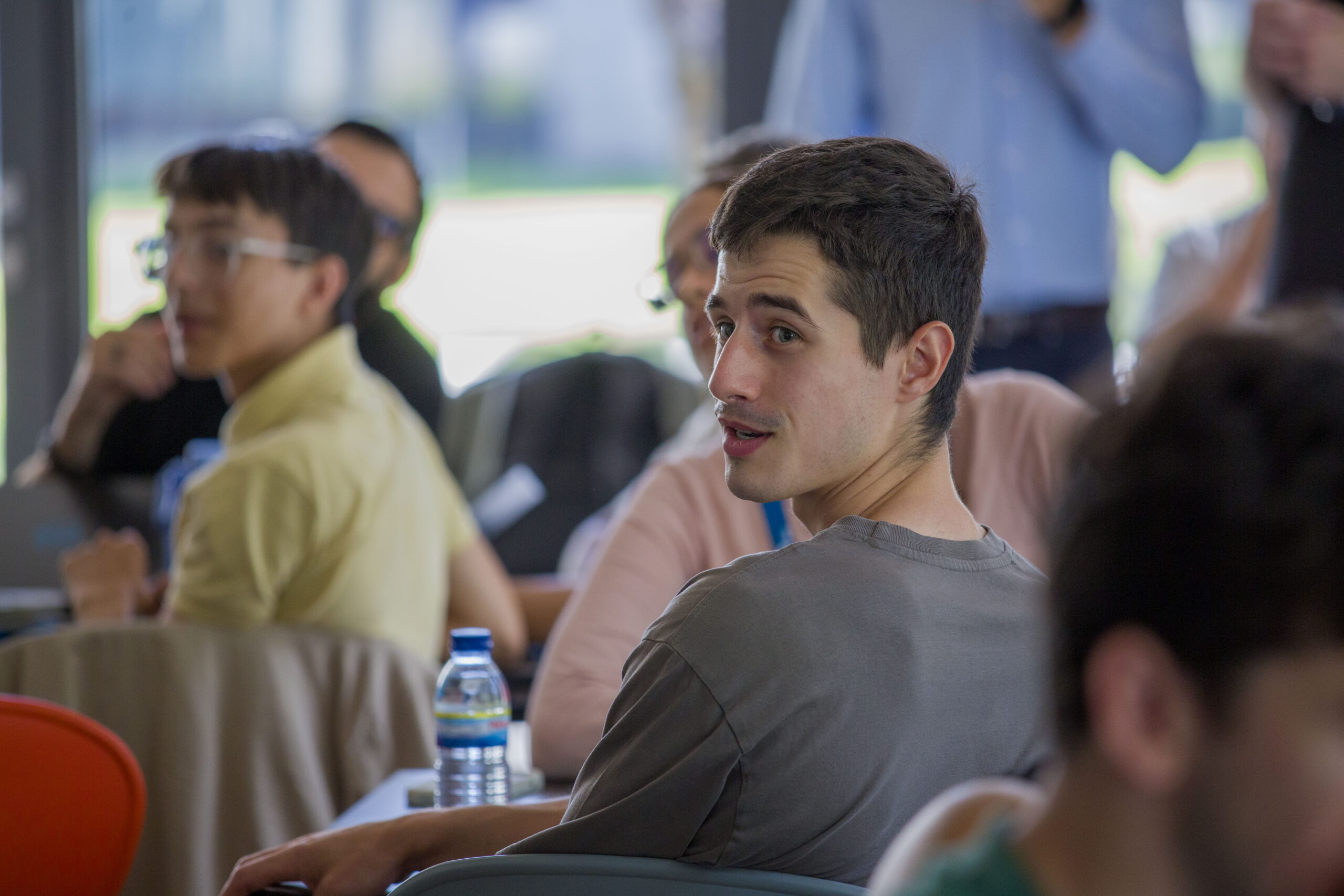
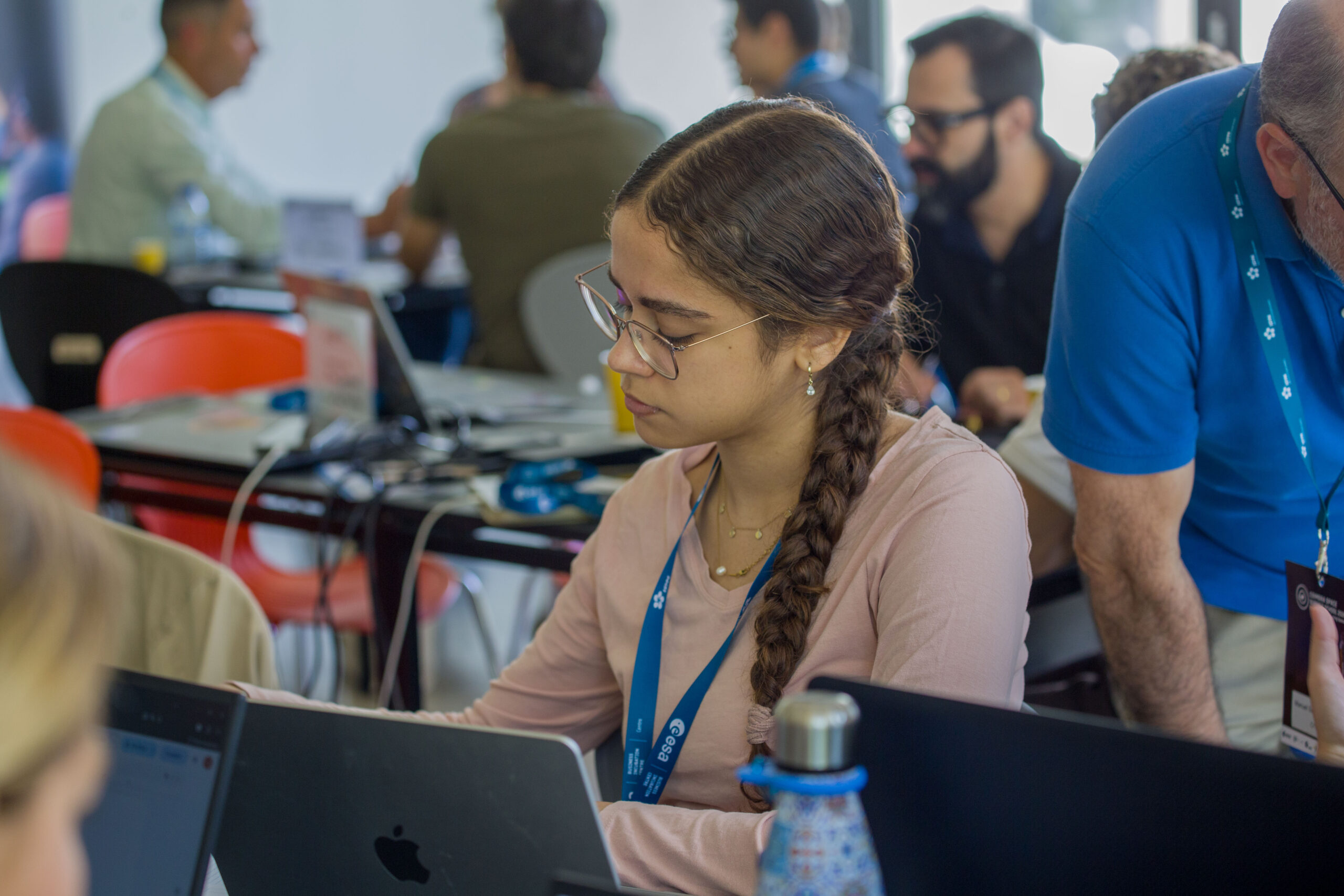
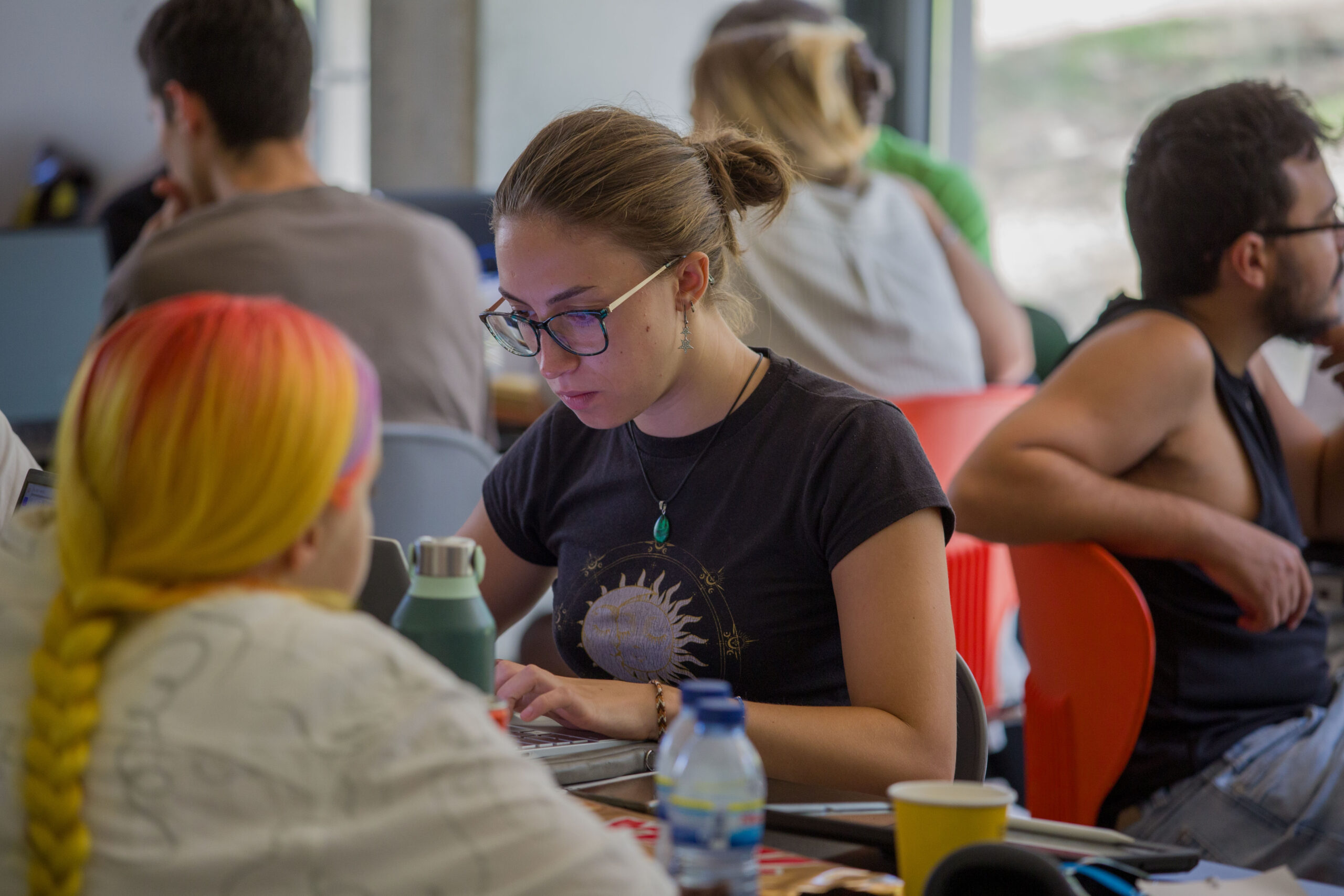
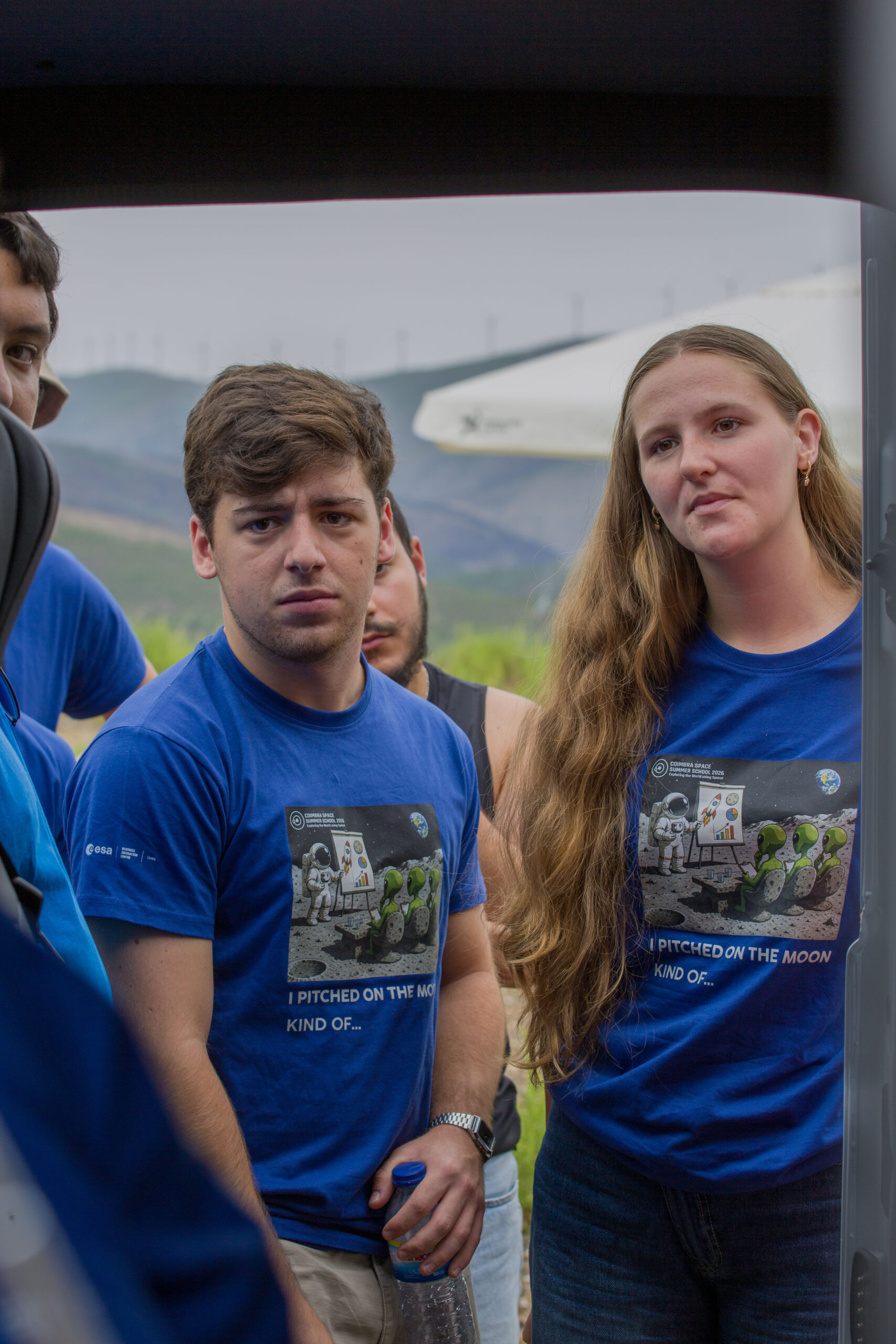
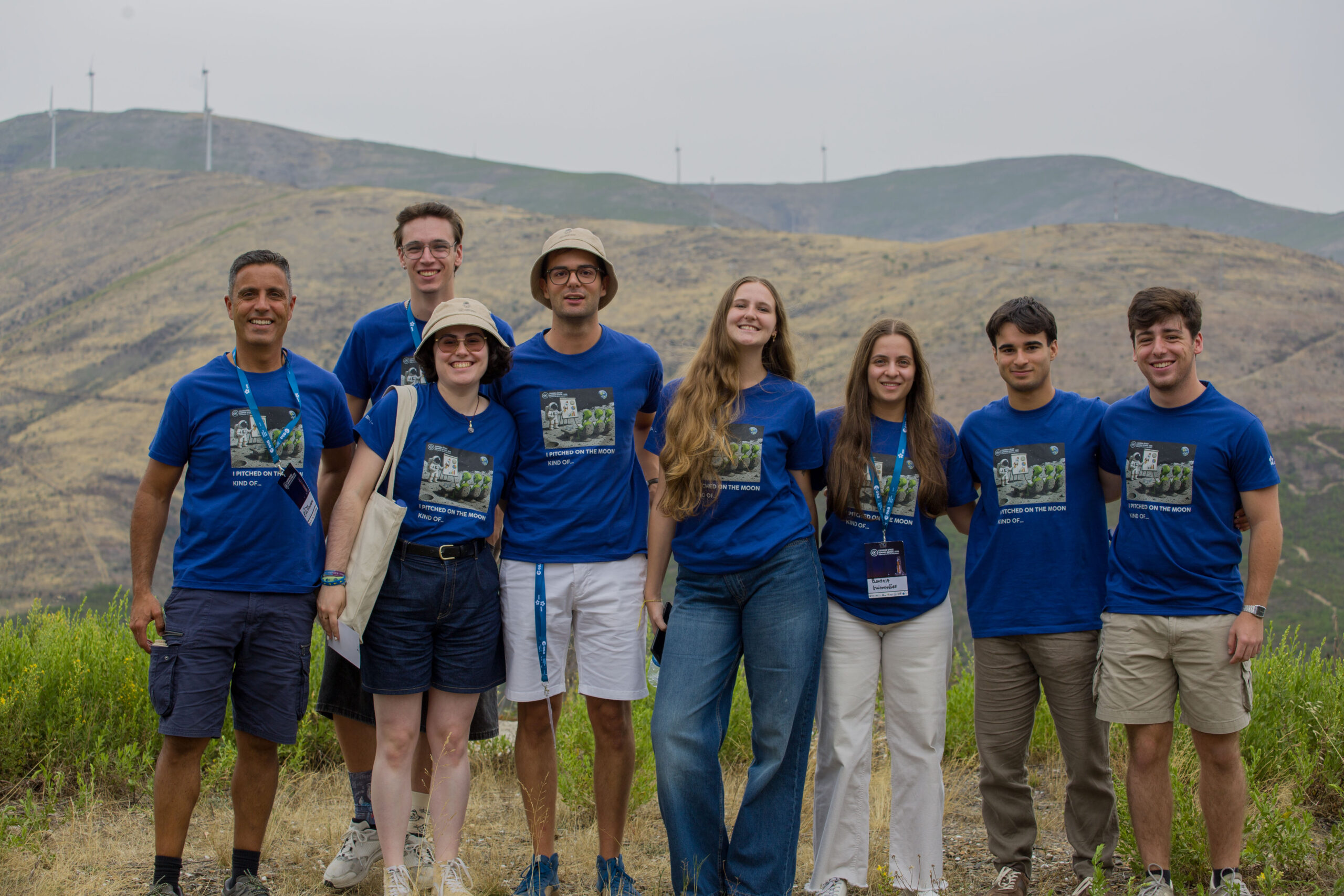
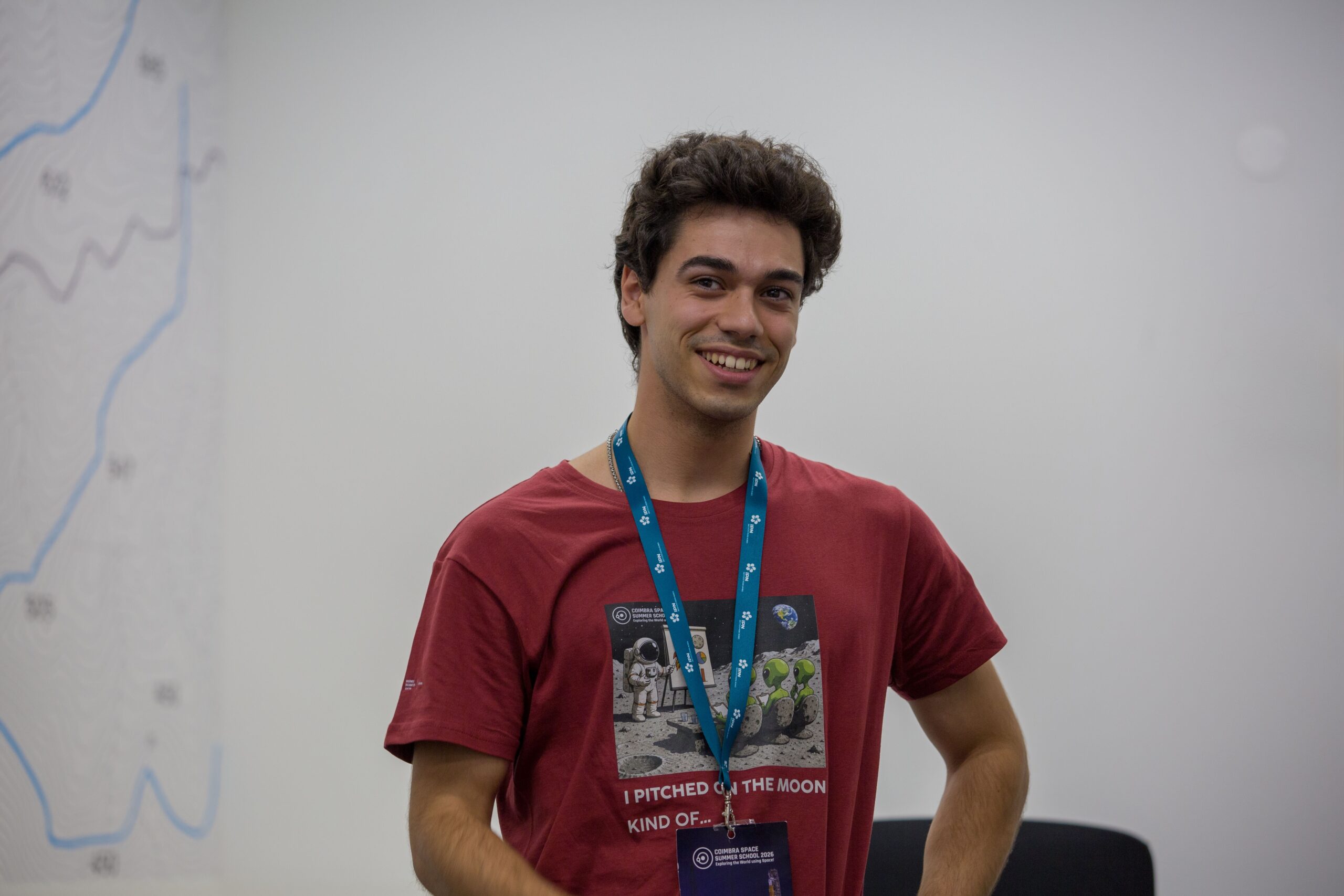
Inspired by the Artemis II mission, this year’s edition brought together 41 participants representing 17 nationalities, including students, researchers, entrepreneurs, and people interested in the potential of the space economy. Over the course of three days, participants worked in teams to explore some of the key scientific, technological, and operational challenges associated with the return of humans to the Moon and future lunar exploration missions.
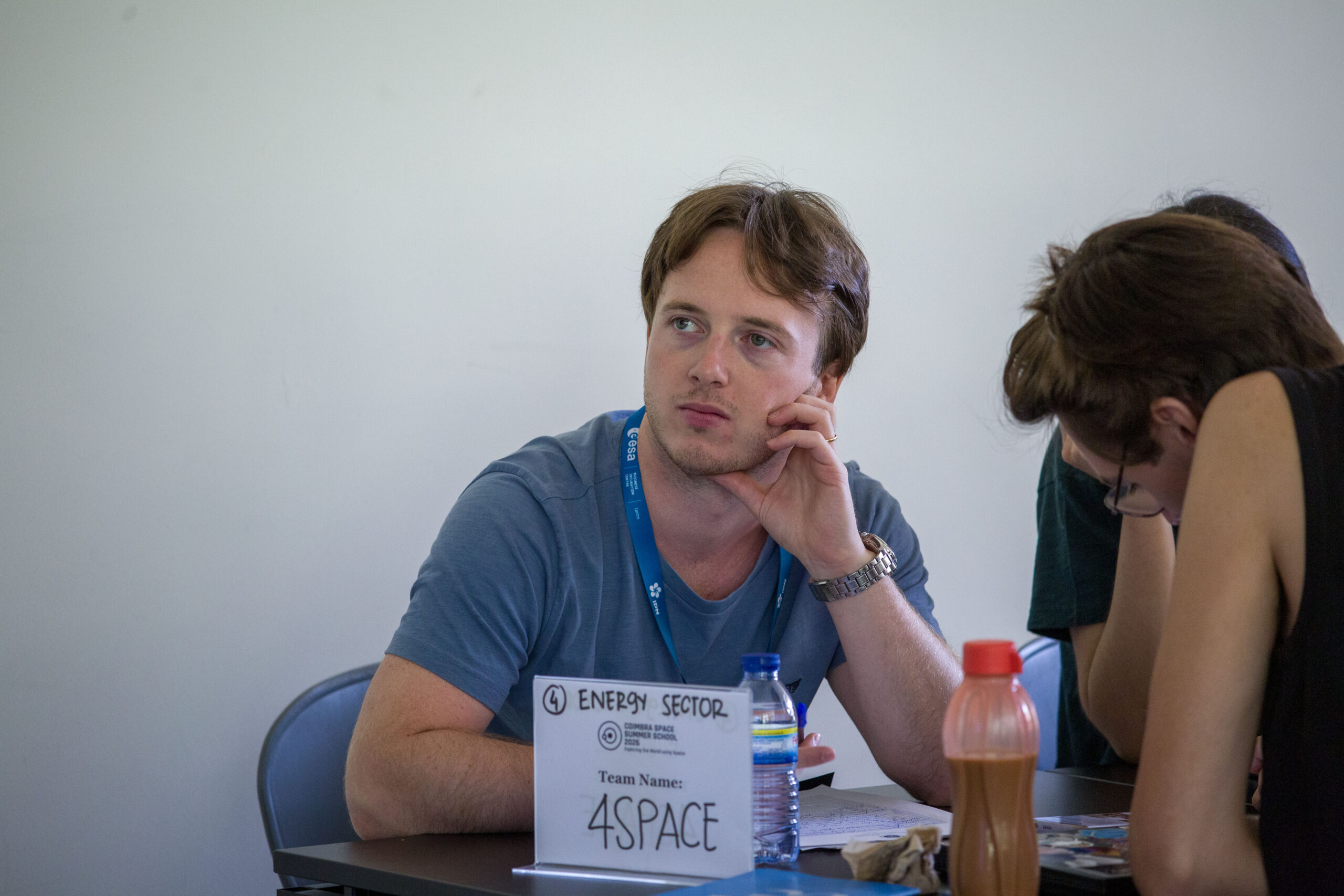
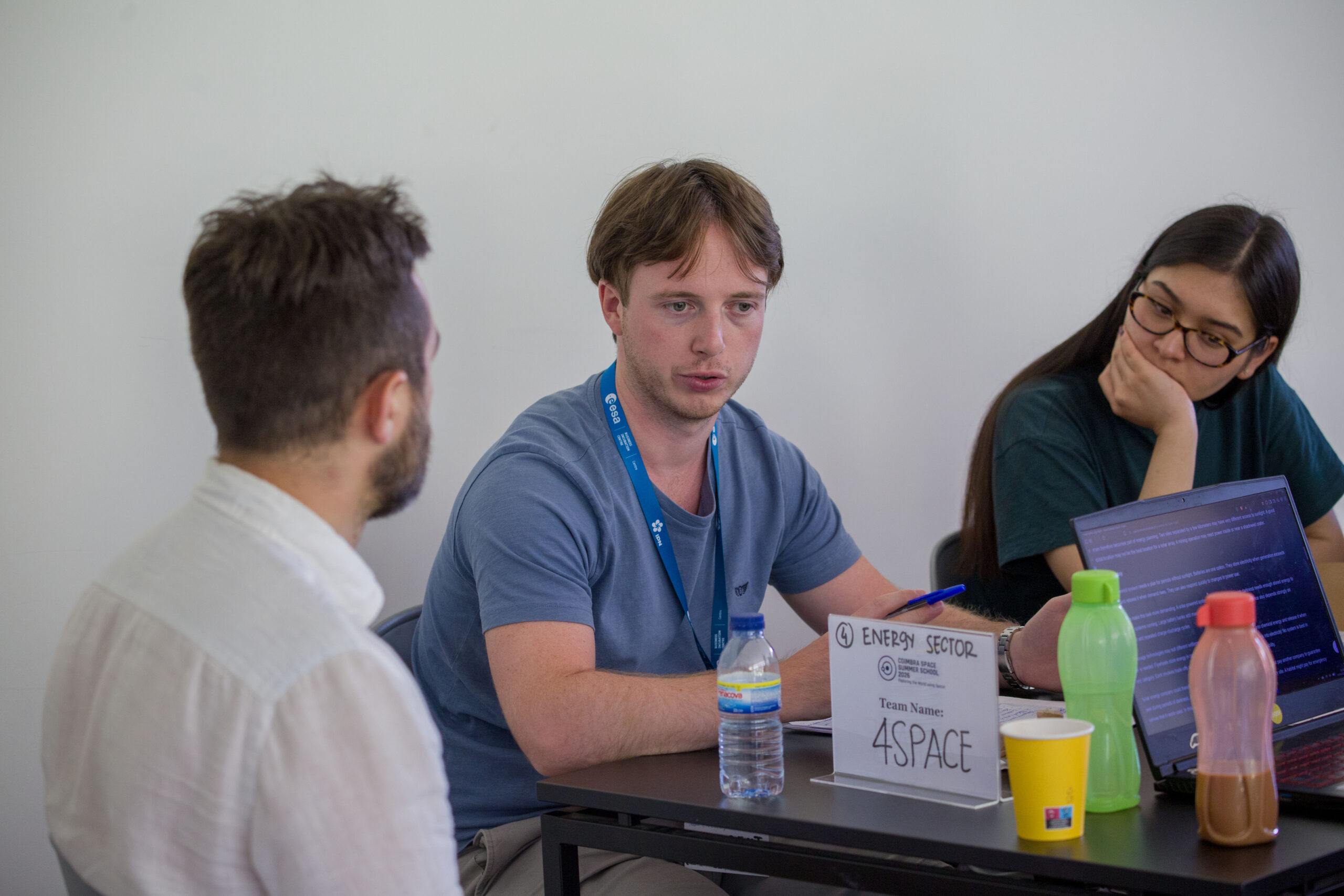
The programme challenged the teams to develop ideas and solutions for one of eight sectors of an emerging lunar economy, including transportation and logistics, communications and navigation, infrastructure and habitats, energy, health and human performance, resources and manufacturing, food and biology, and lunar society and services.
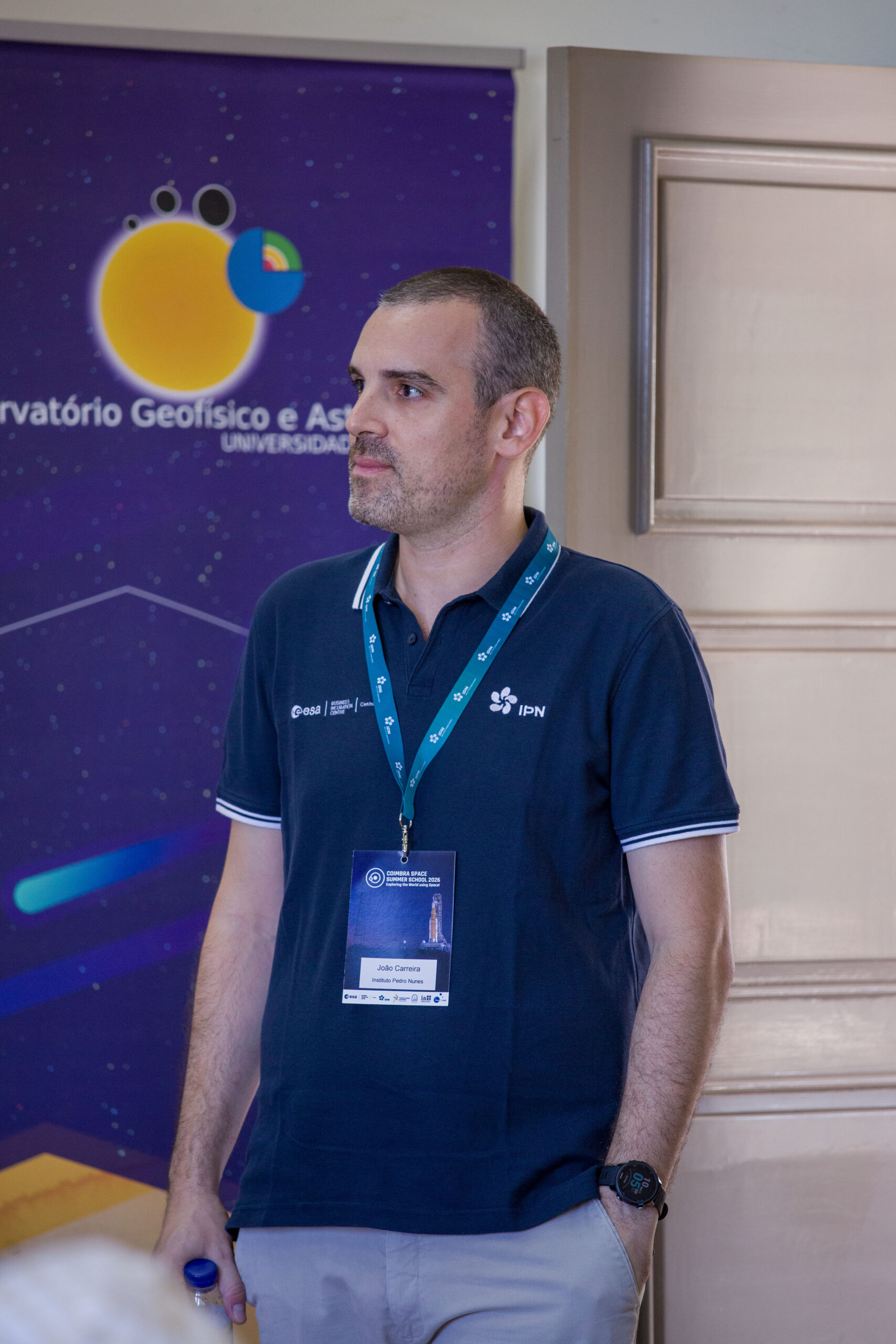
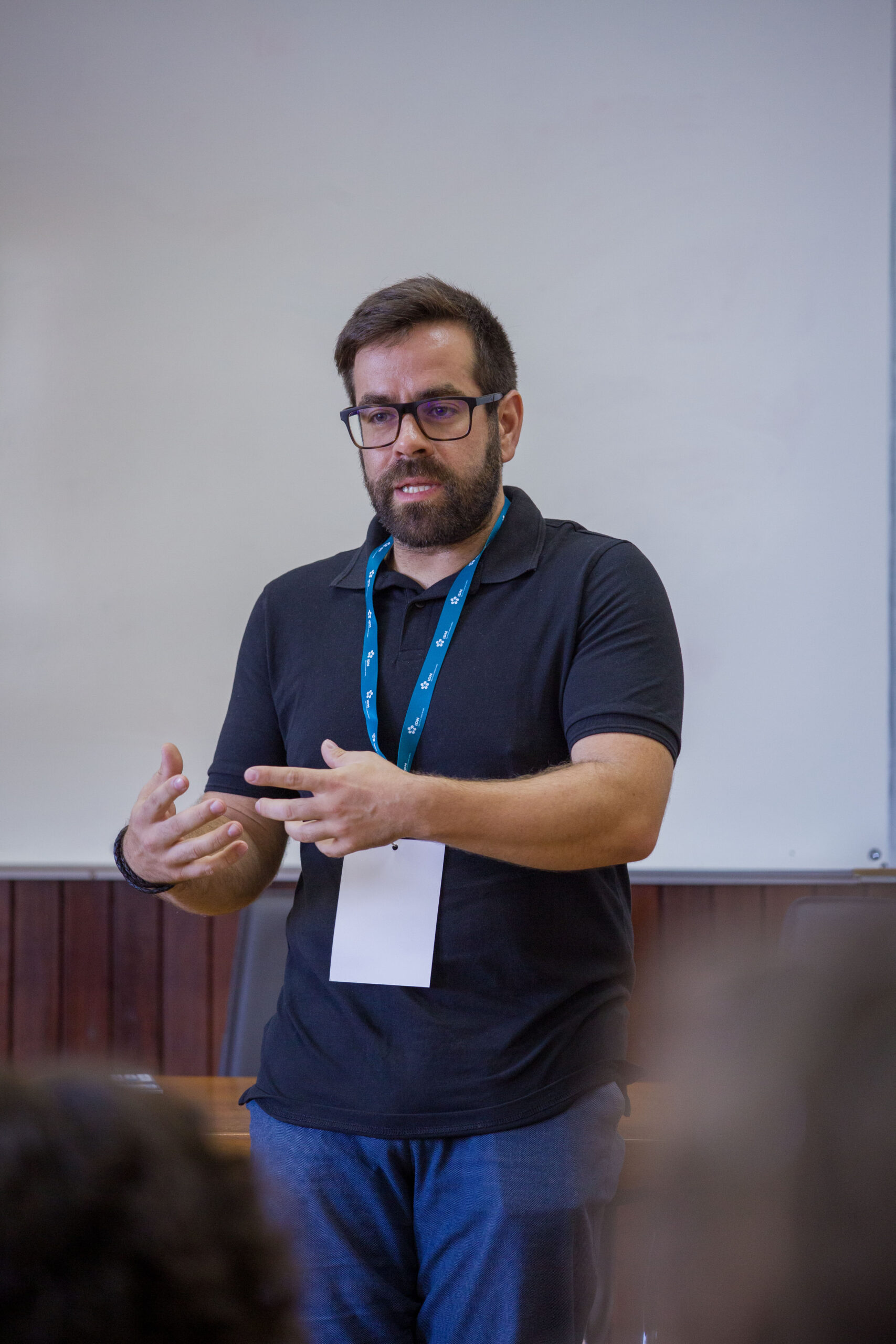
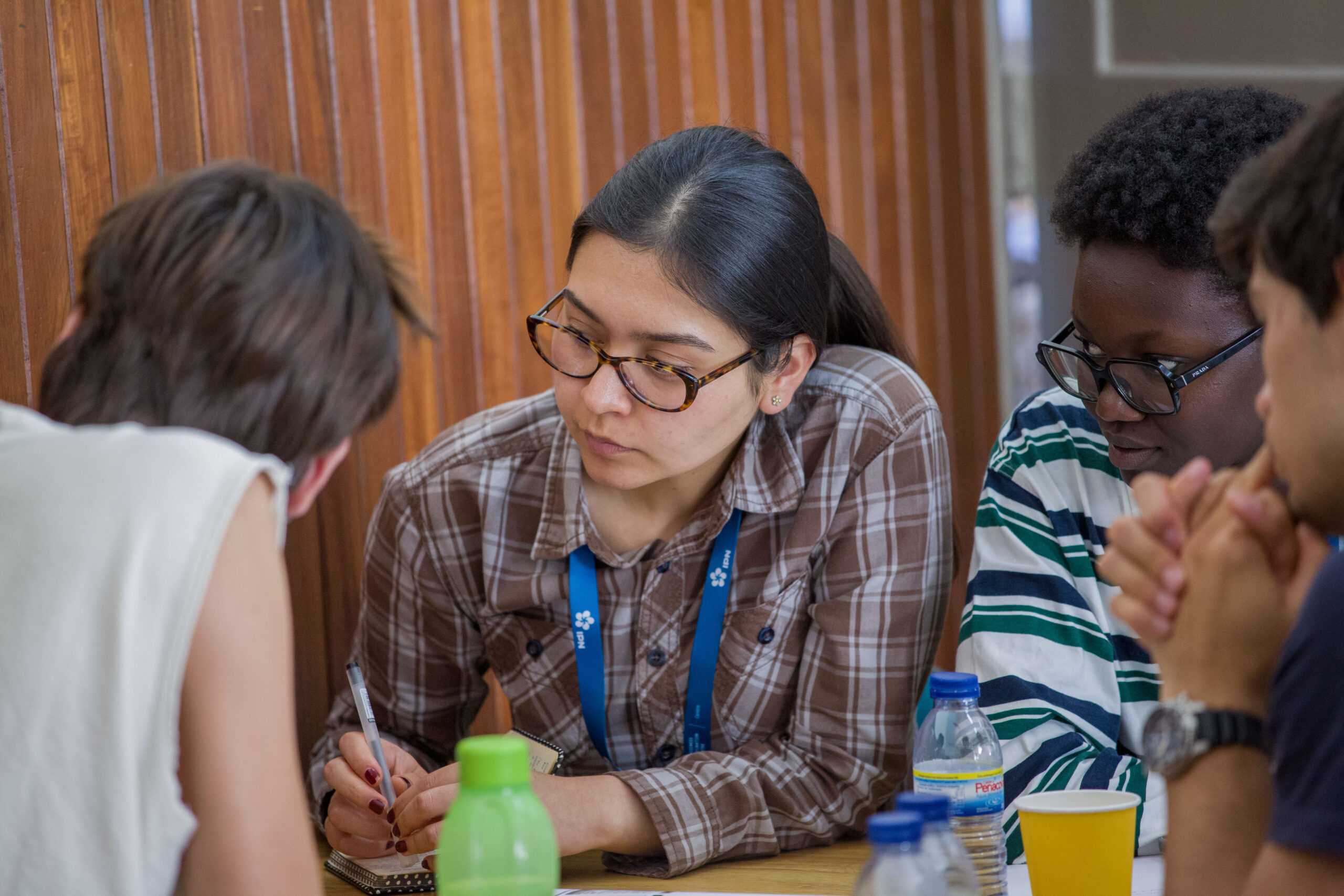
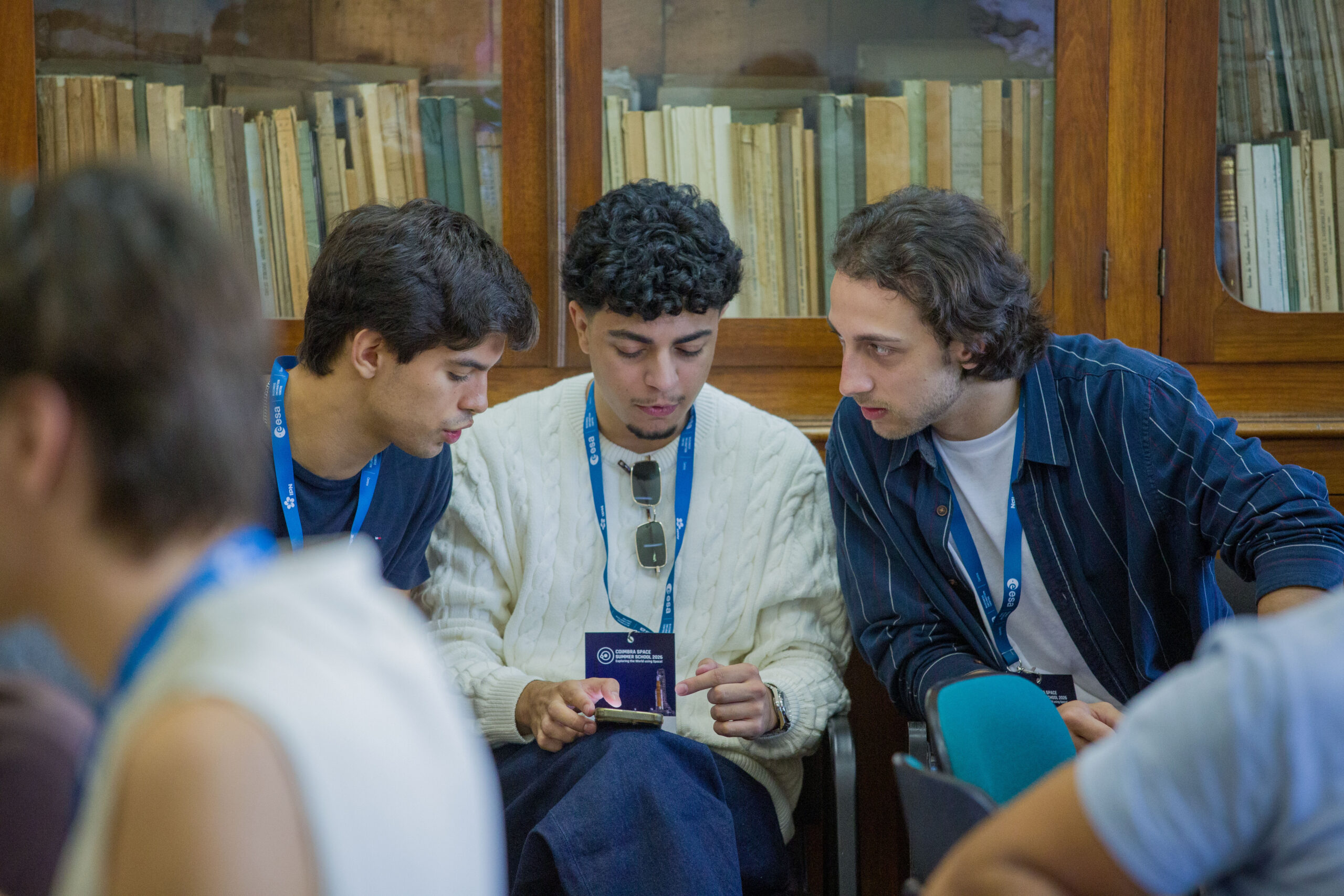
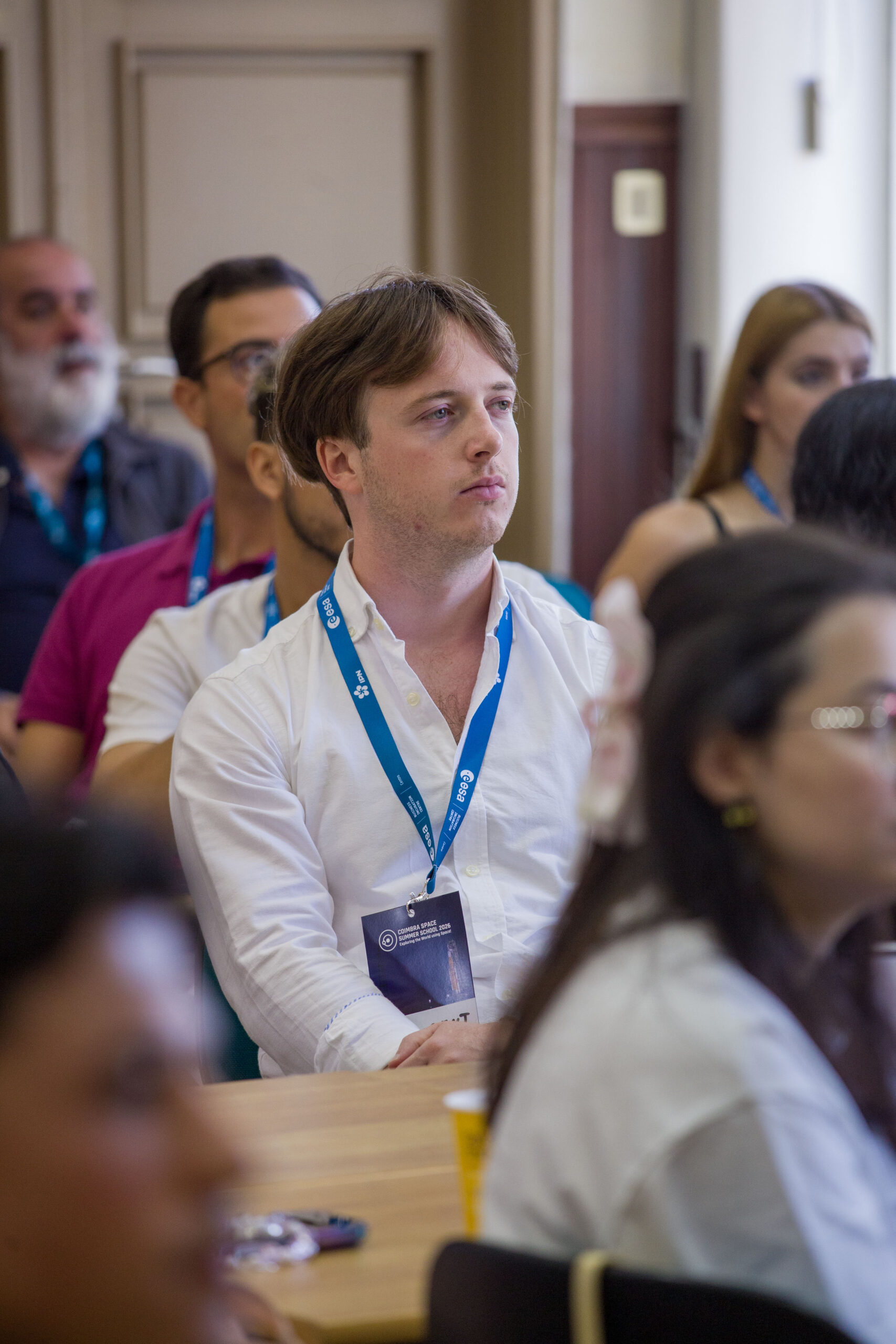
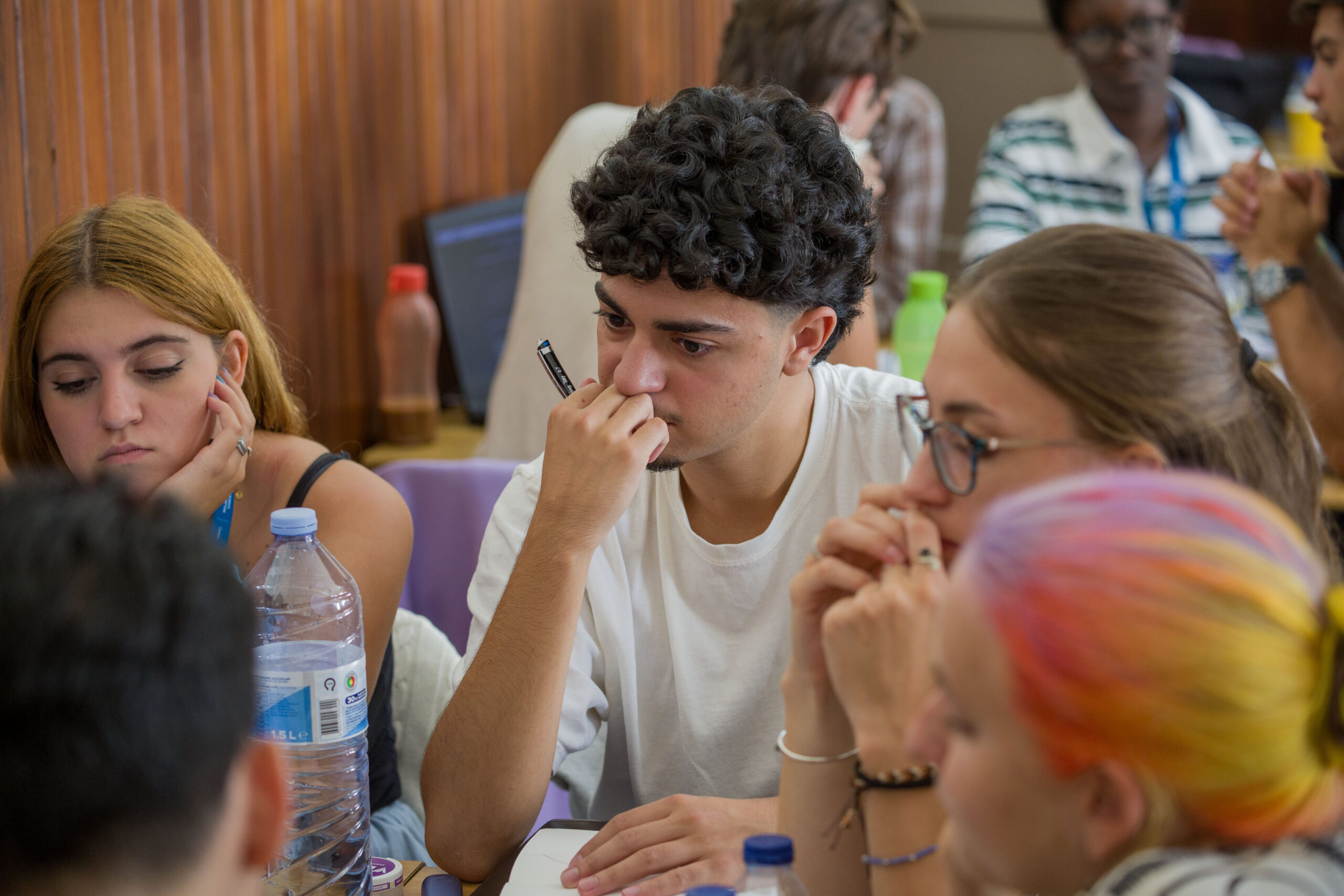
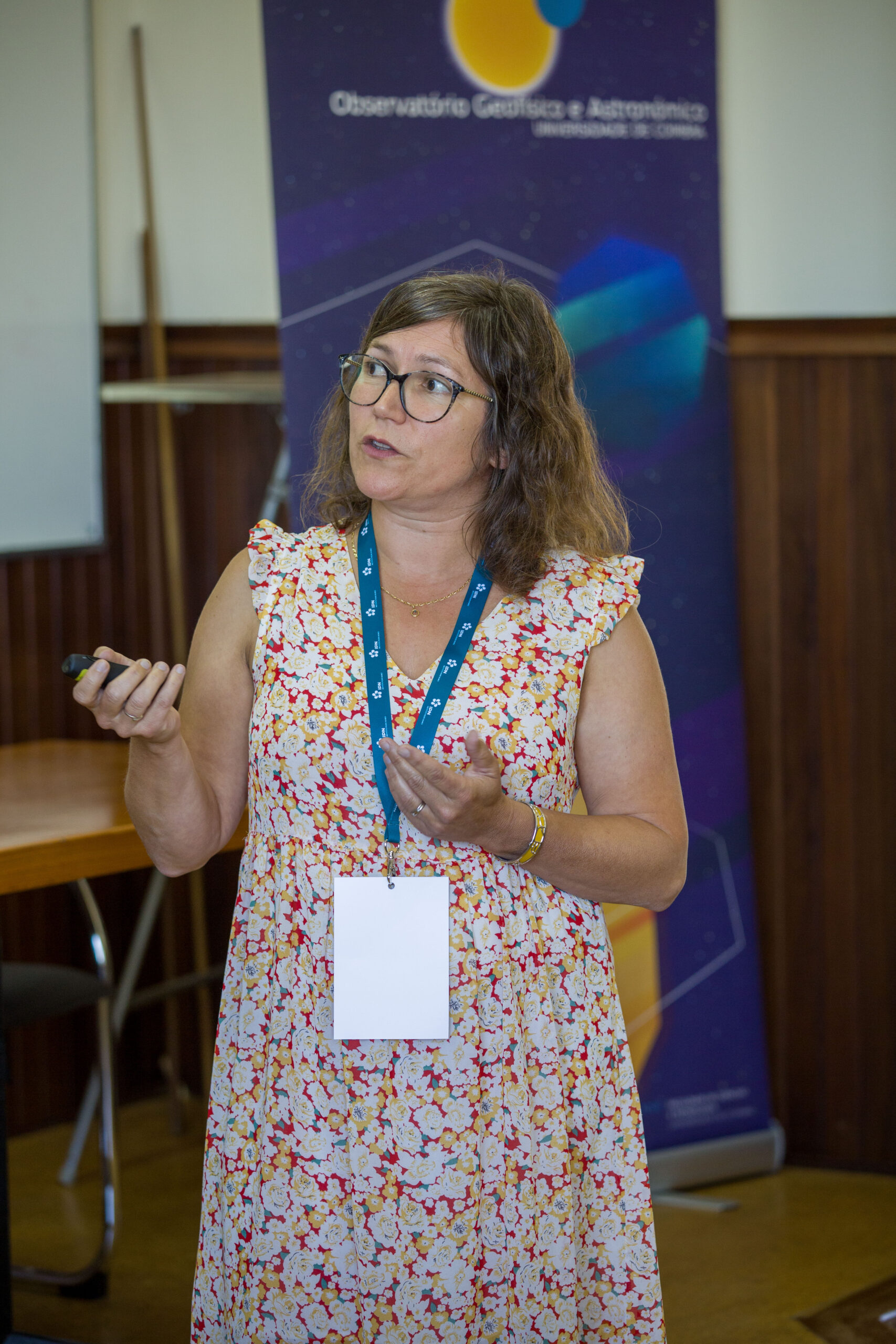
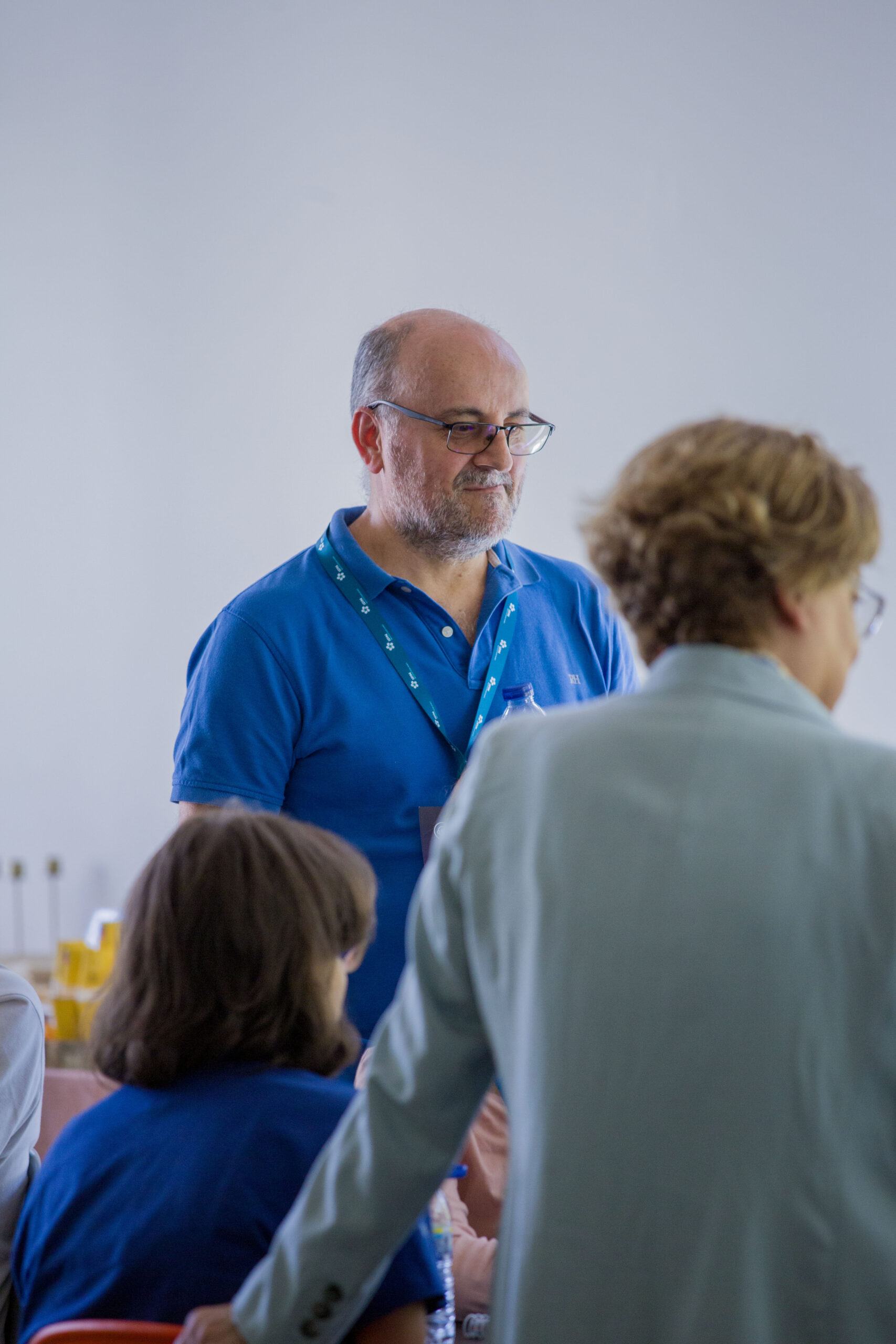
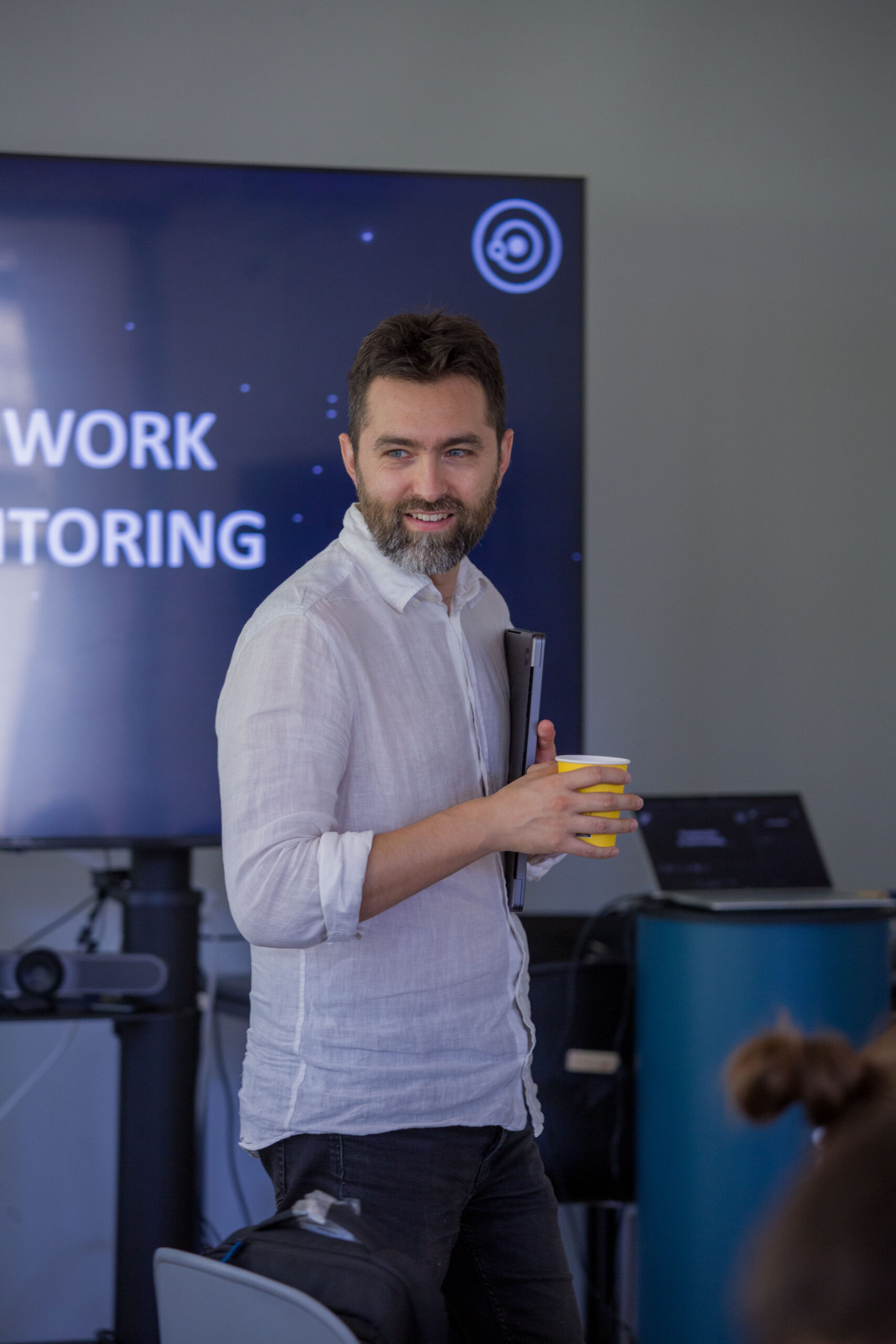
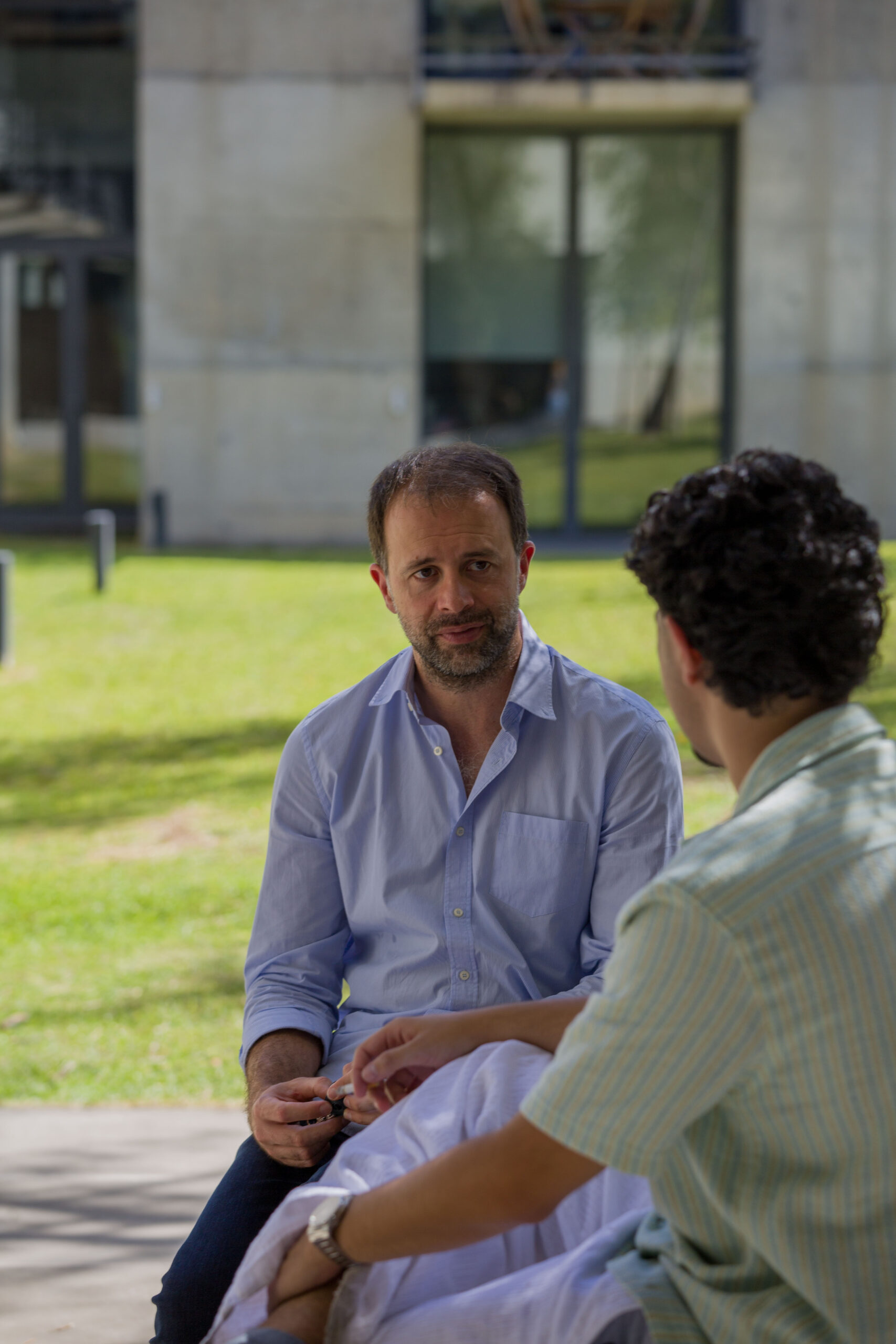
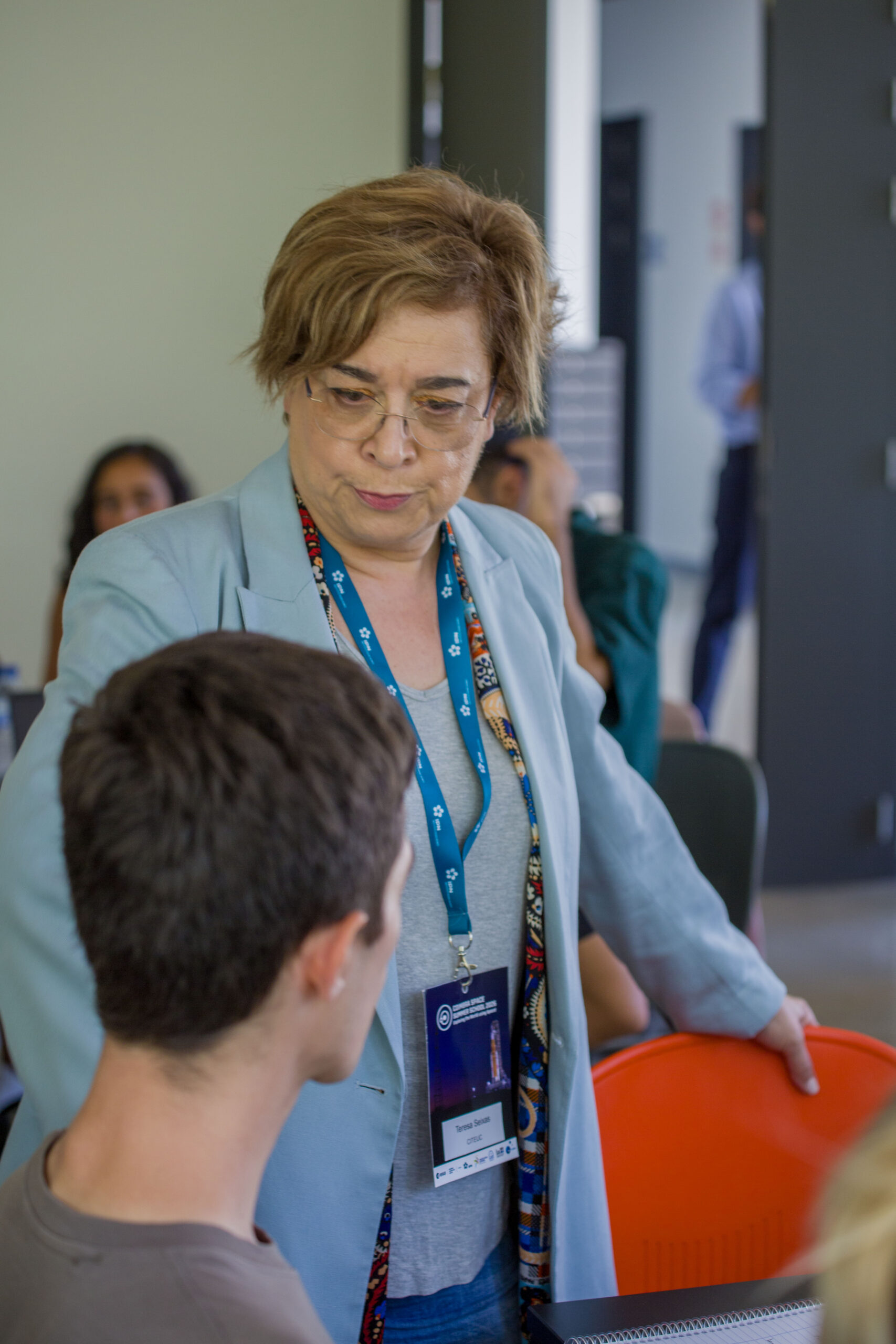
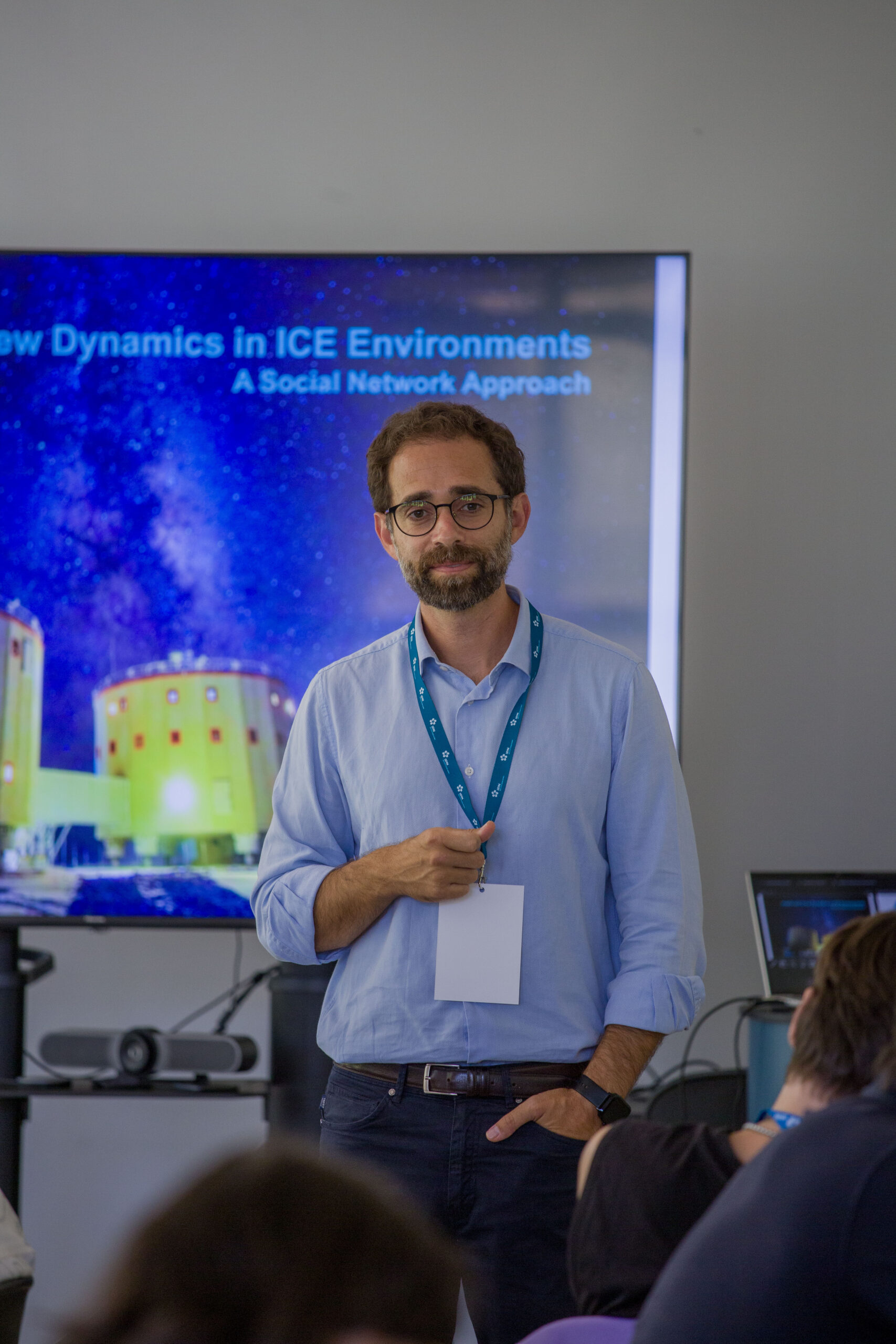
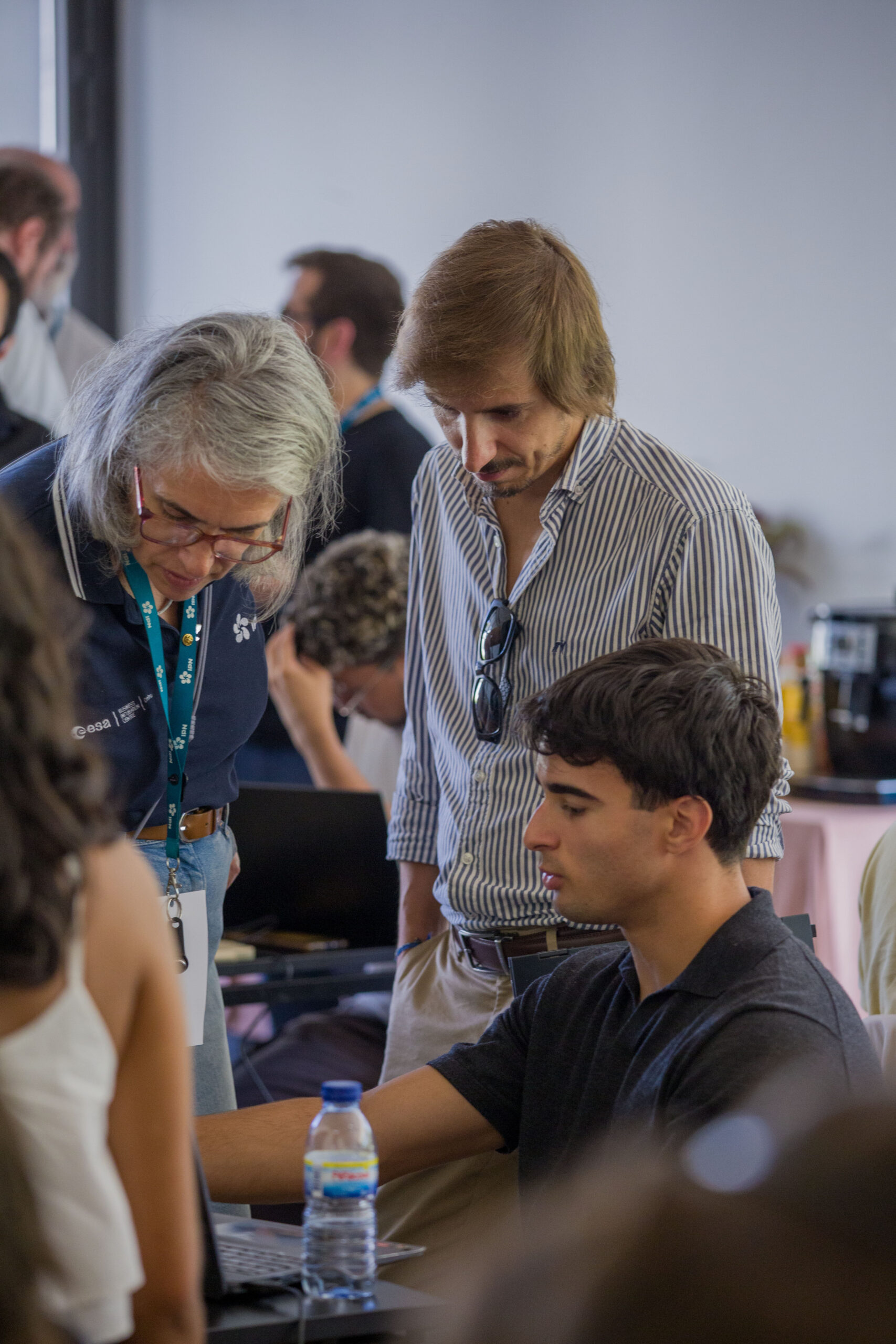
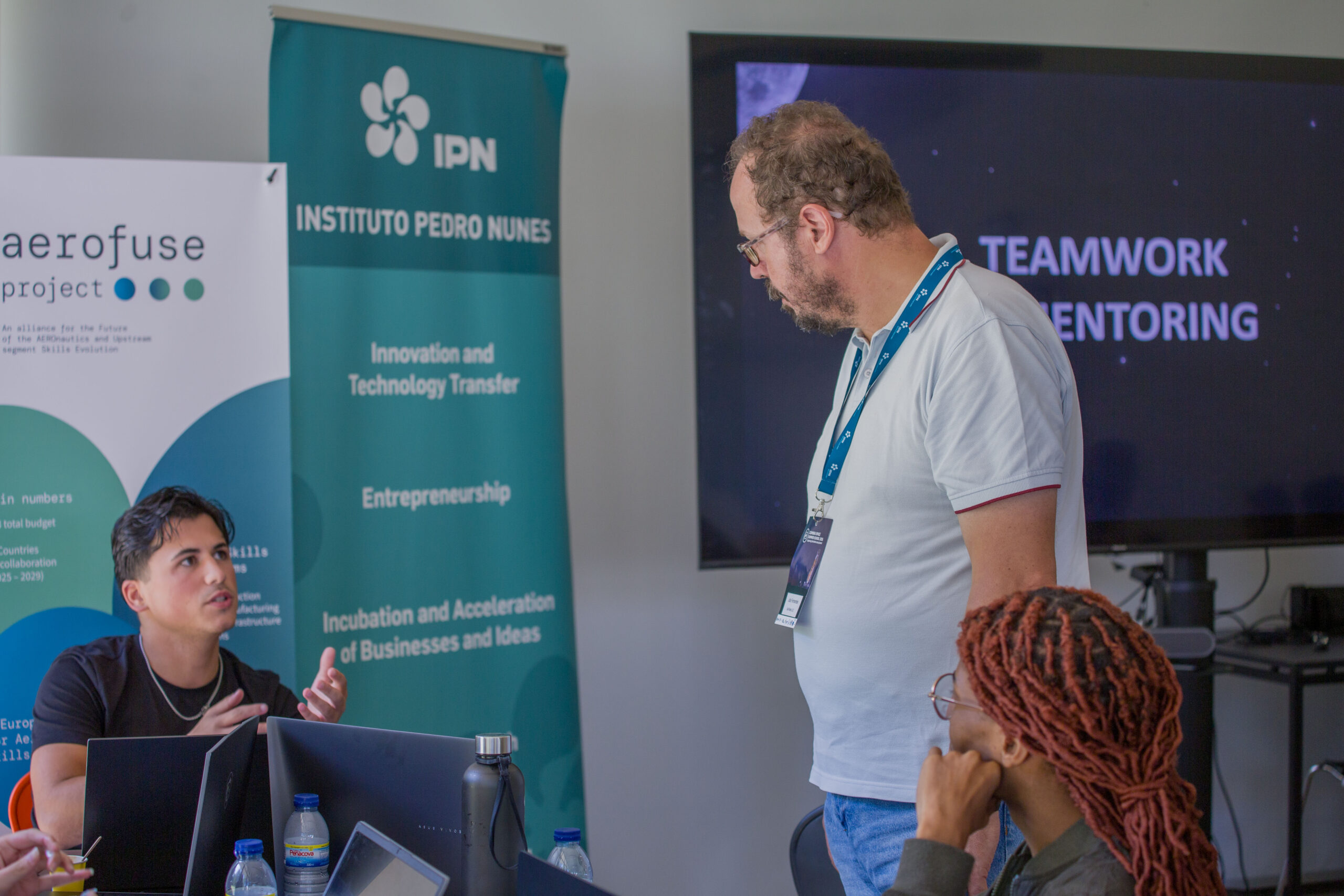
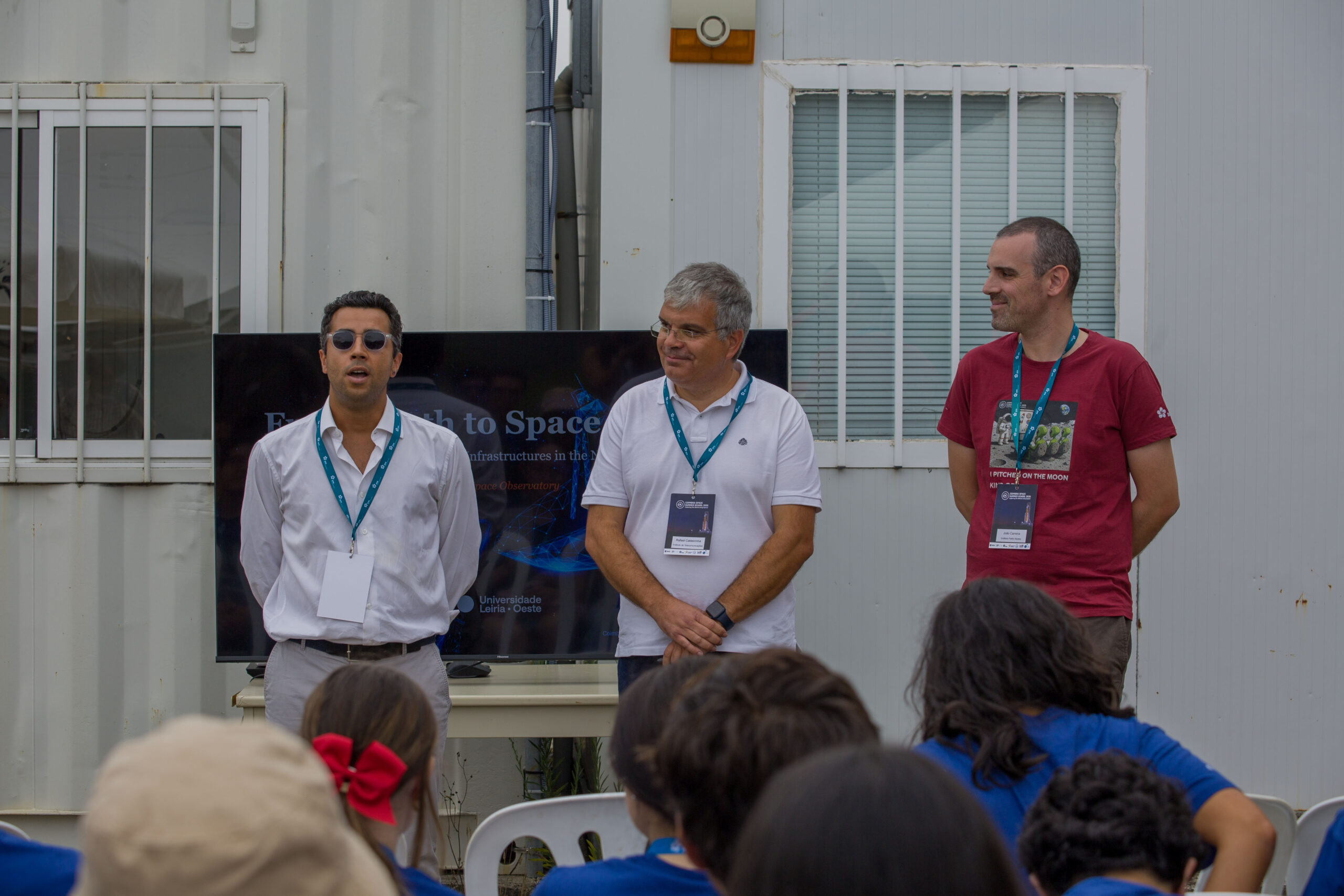
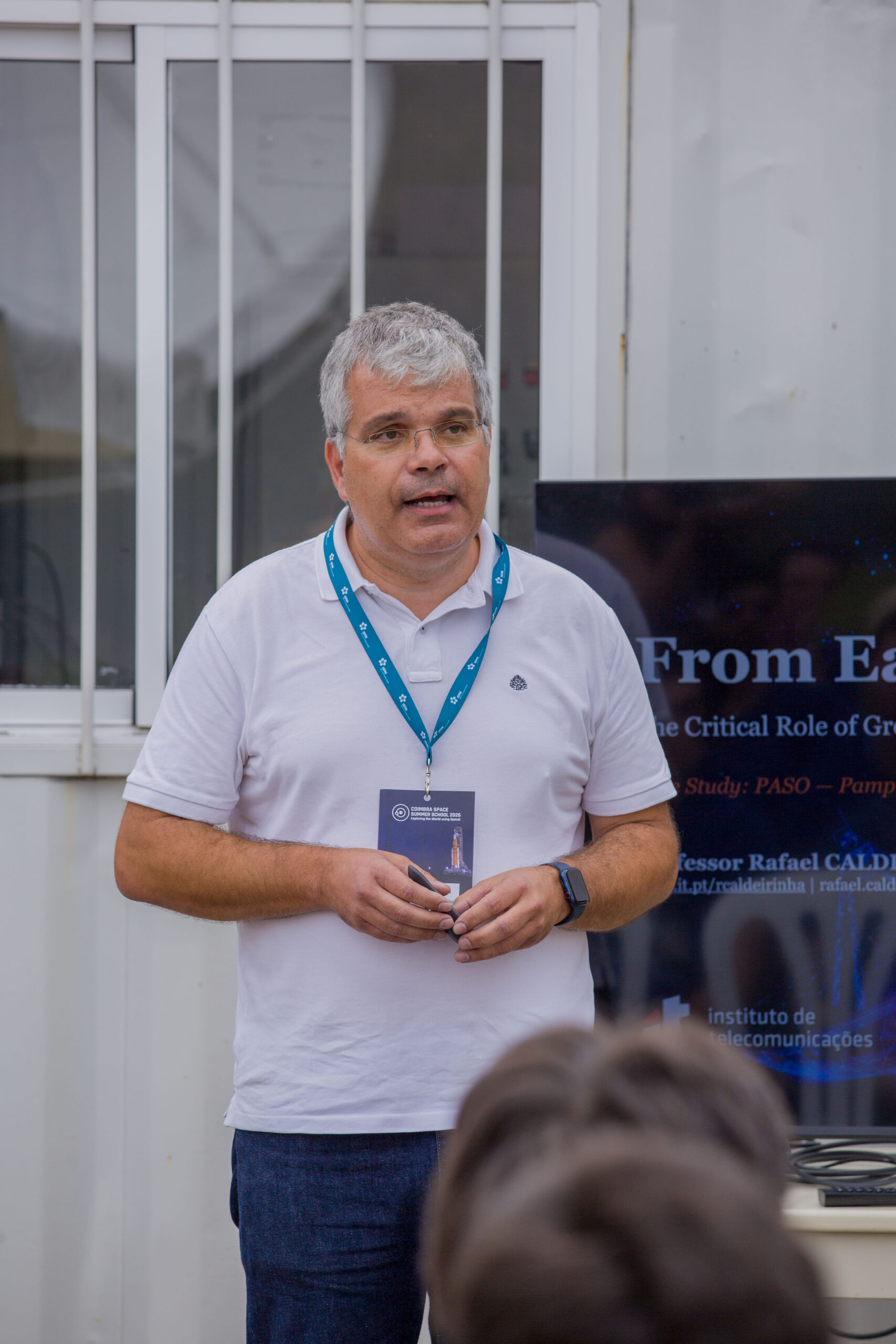
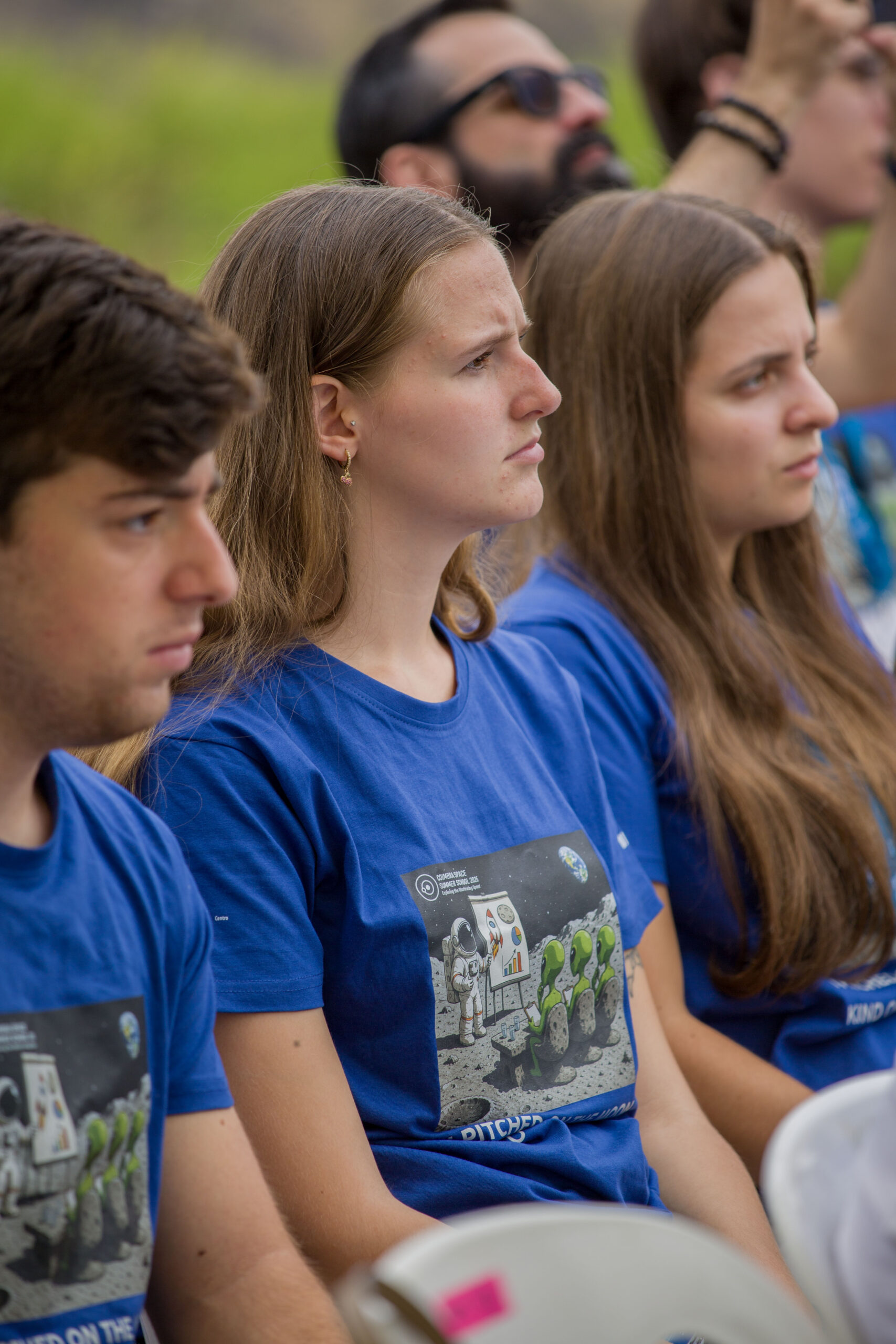
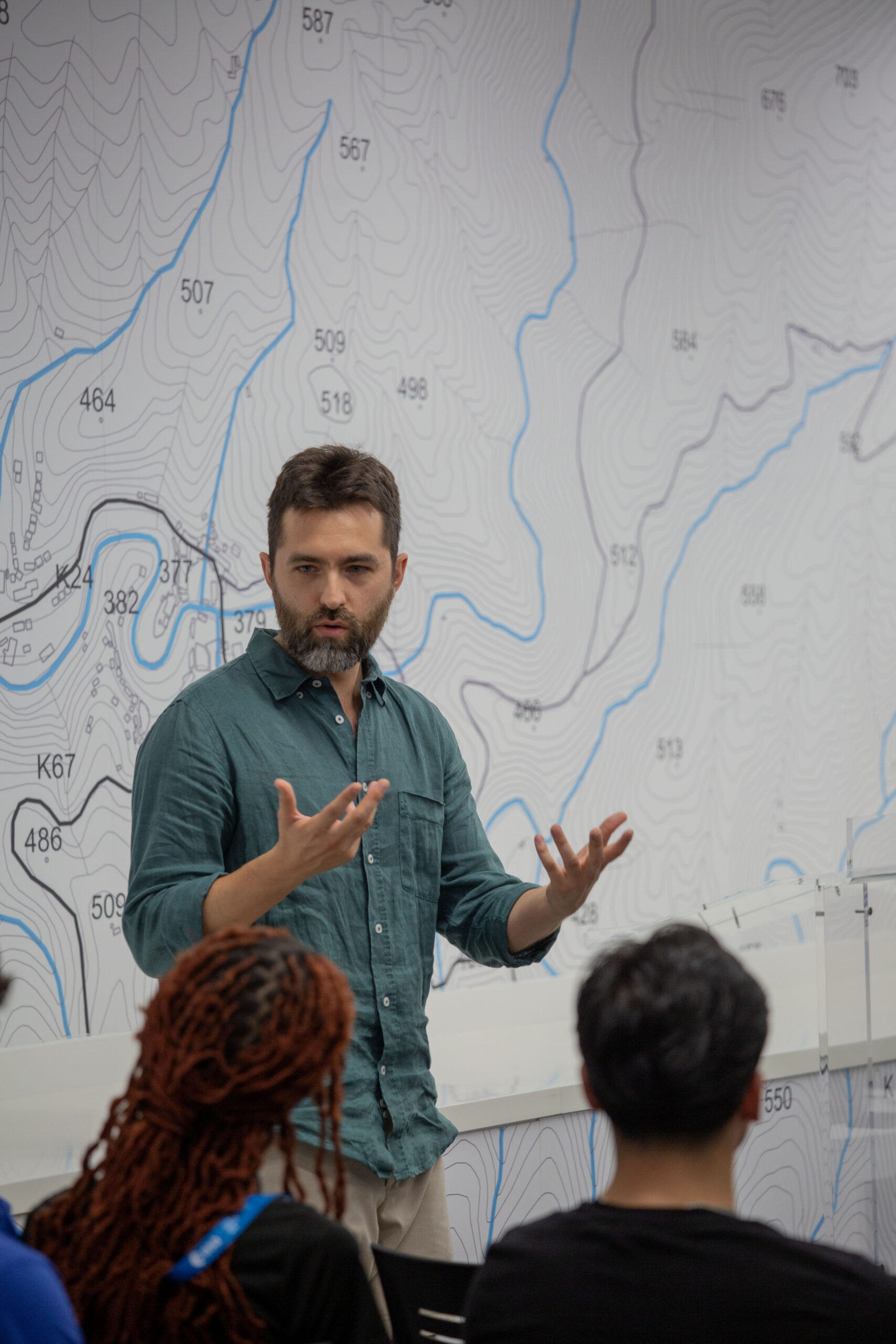
Through a programme combining talks by national and international experts, teamwork sessions, and mentoring opportunities, participants had the opportunity to deepen their knowledge of the space sector and apply different perspectives and areas of expertise to the development of their proposals.
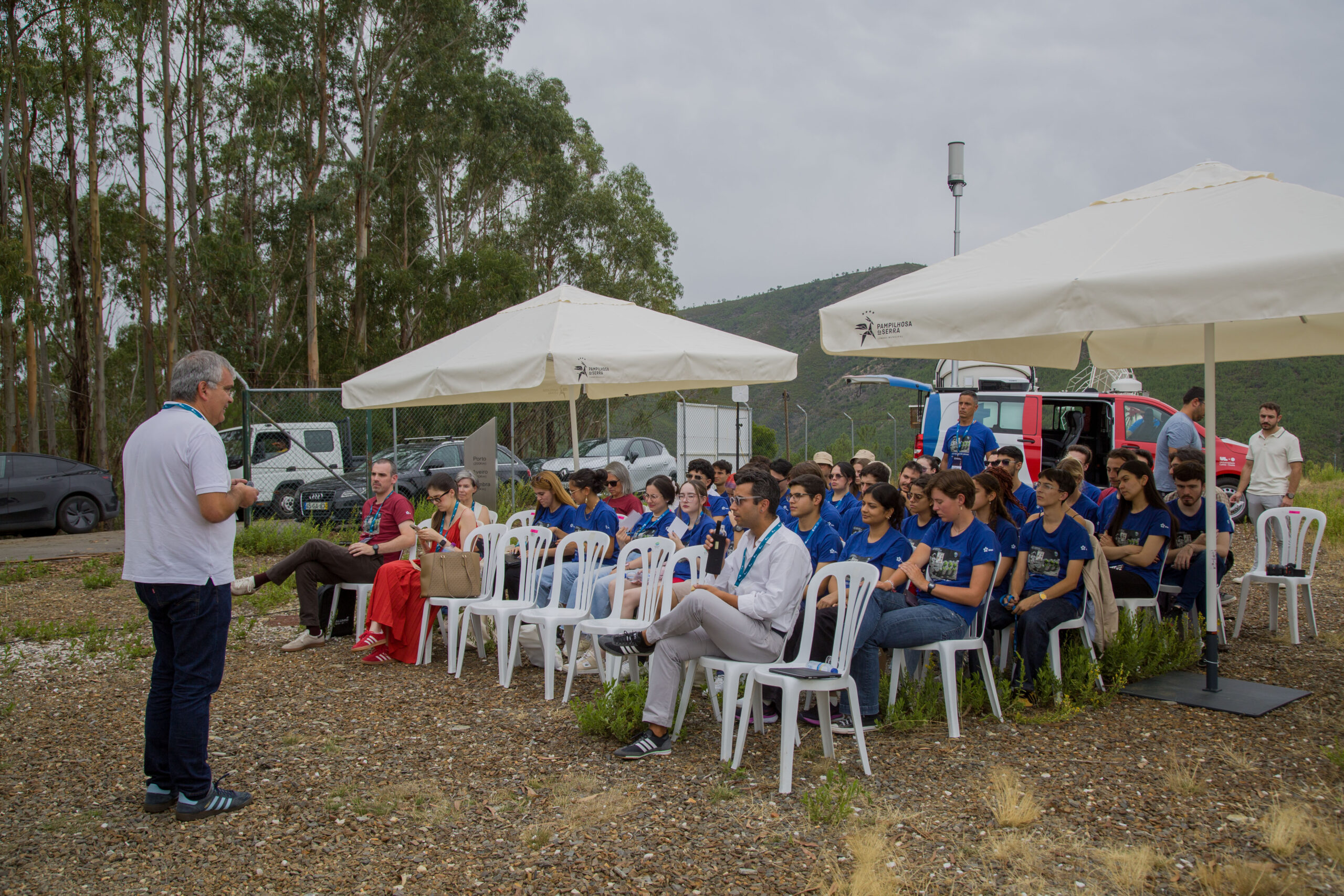
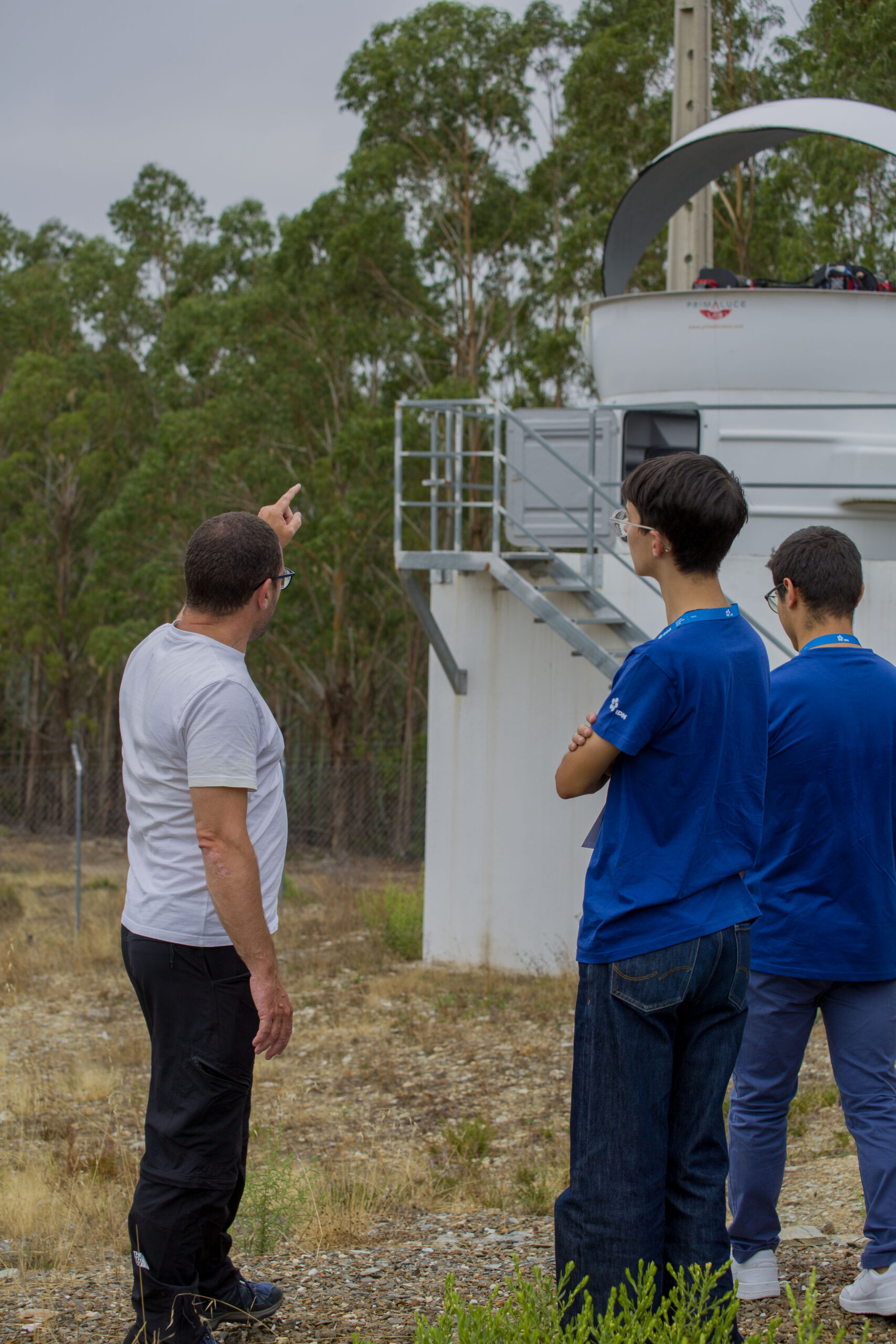
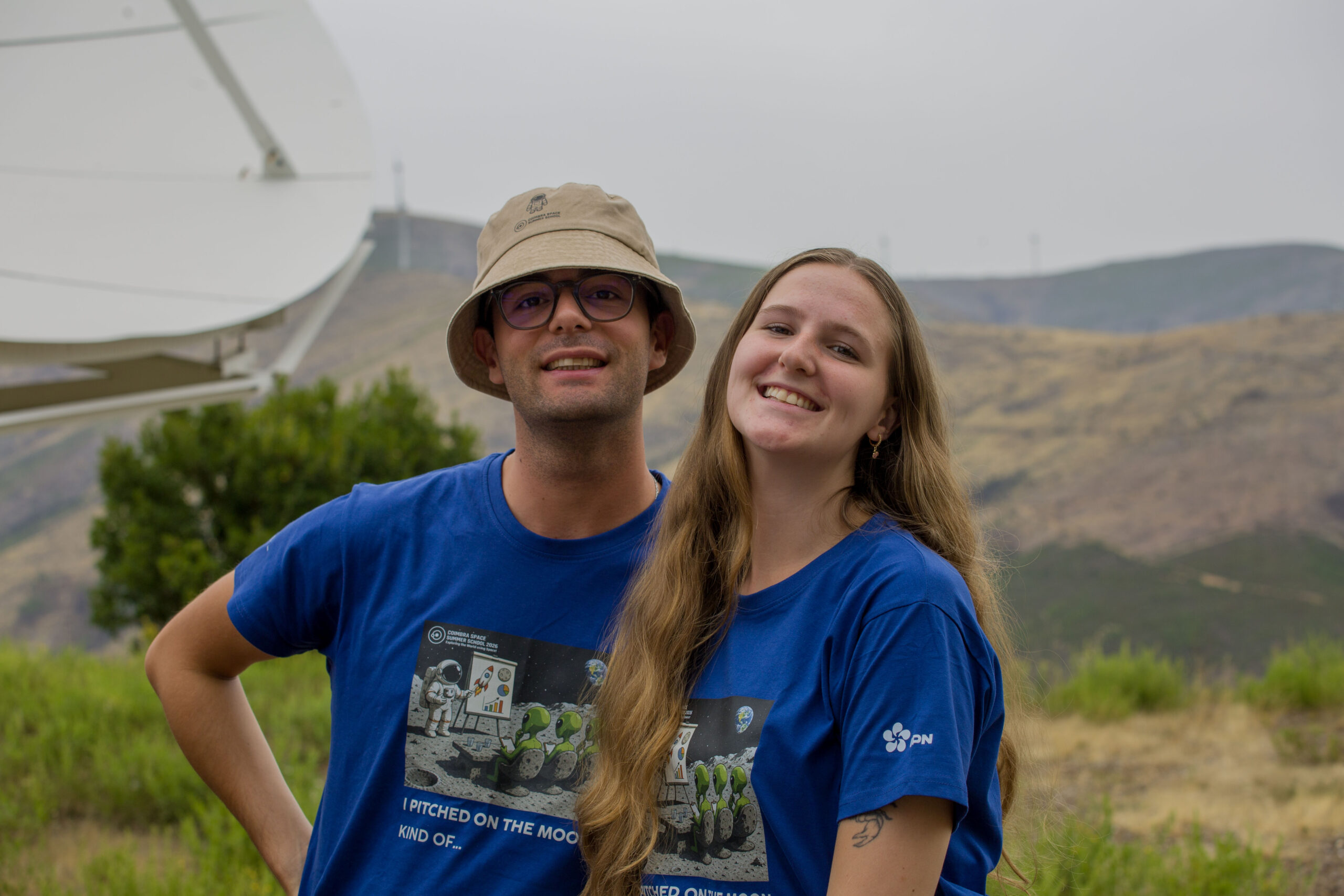
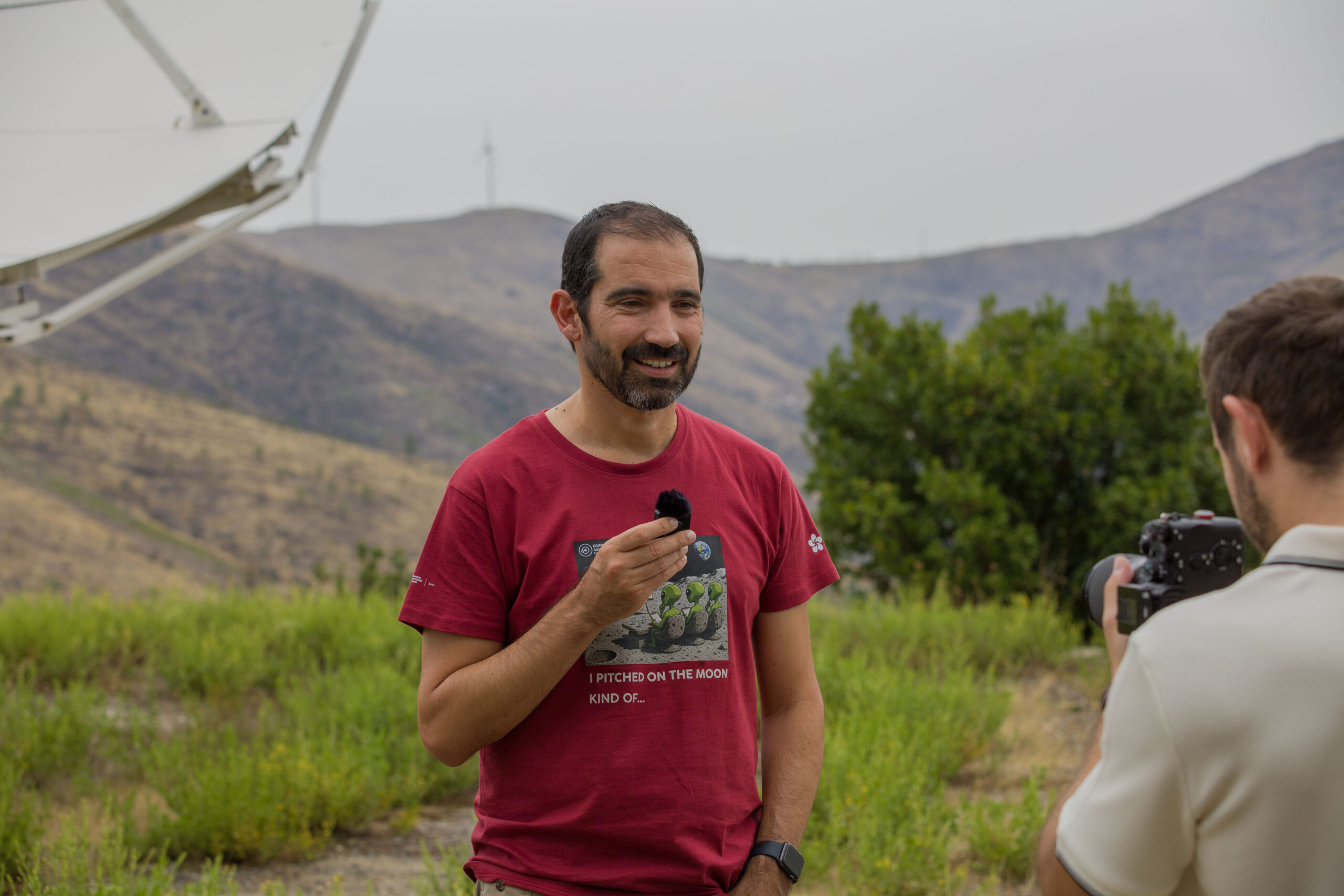
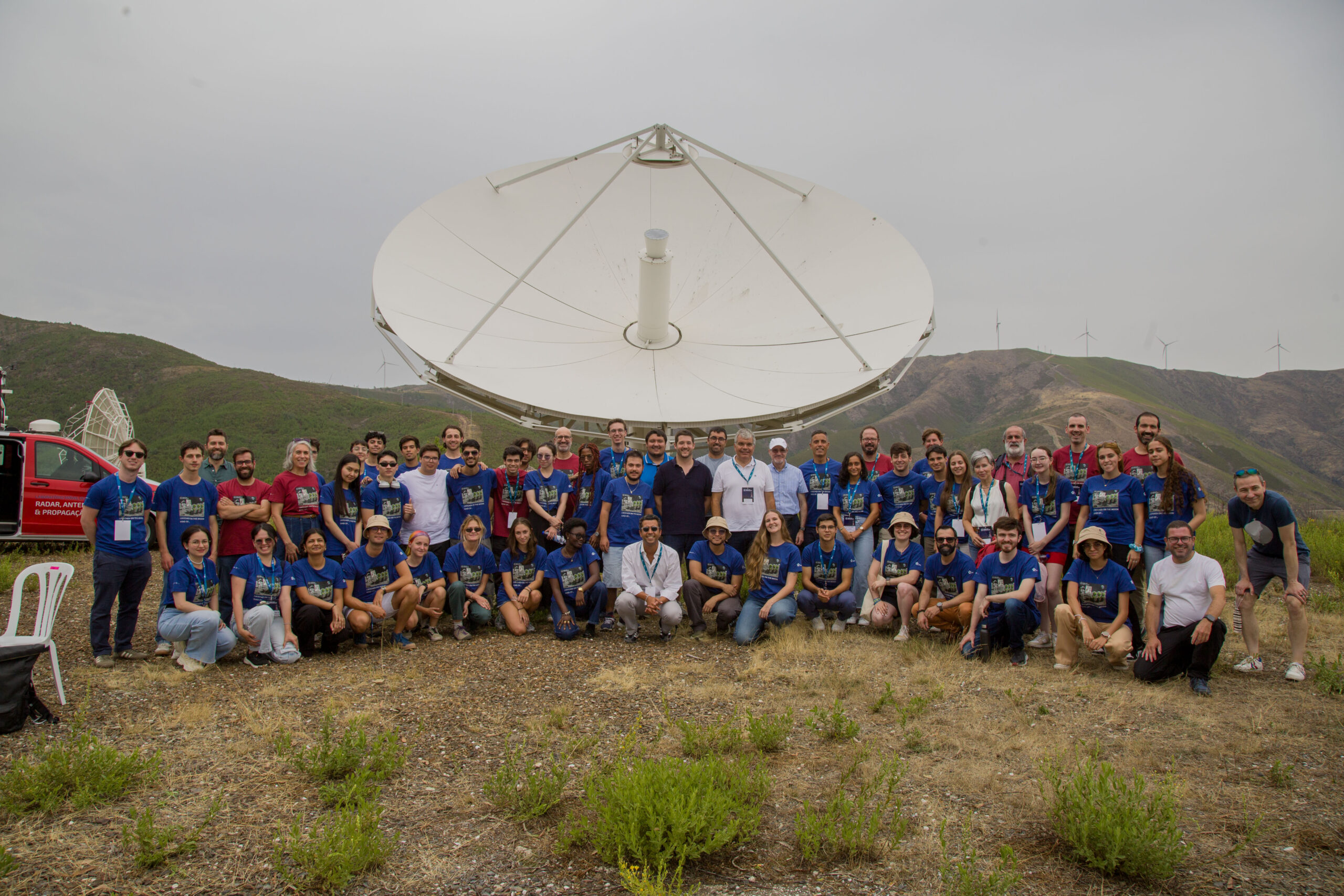
For the first time, the Coimbra Space Summer School extended into Pampilhosa da Serra. On the evening of 3 September, participants took part in a remote observation activity under the night sky, followed the next morning by a visit to the Pampilhosa da Serra Space Observatory (PASO), where they gained first-hand experience of the infrastructure and technologies used to observe and monitor space from Earth.
The experience brought participants closer to the practical side of space science and technology through activities combining space observation, radio technologies, and hands-on experimentation, complementing the work carried out throughout the rest of the summer school.
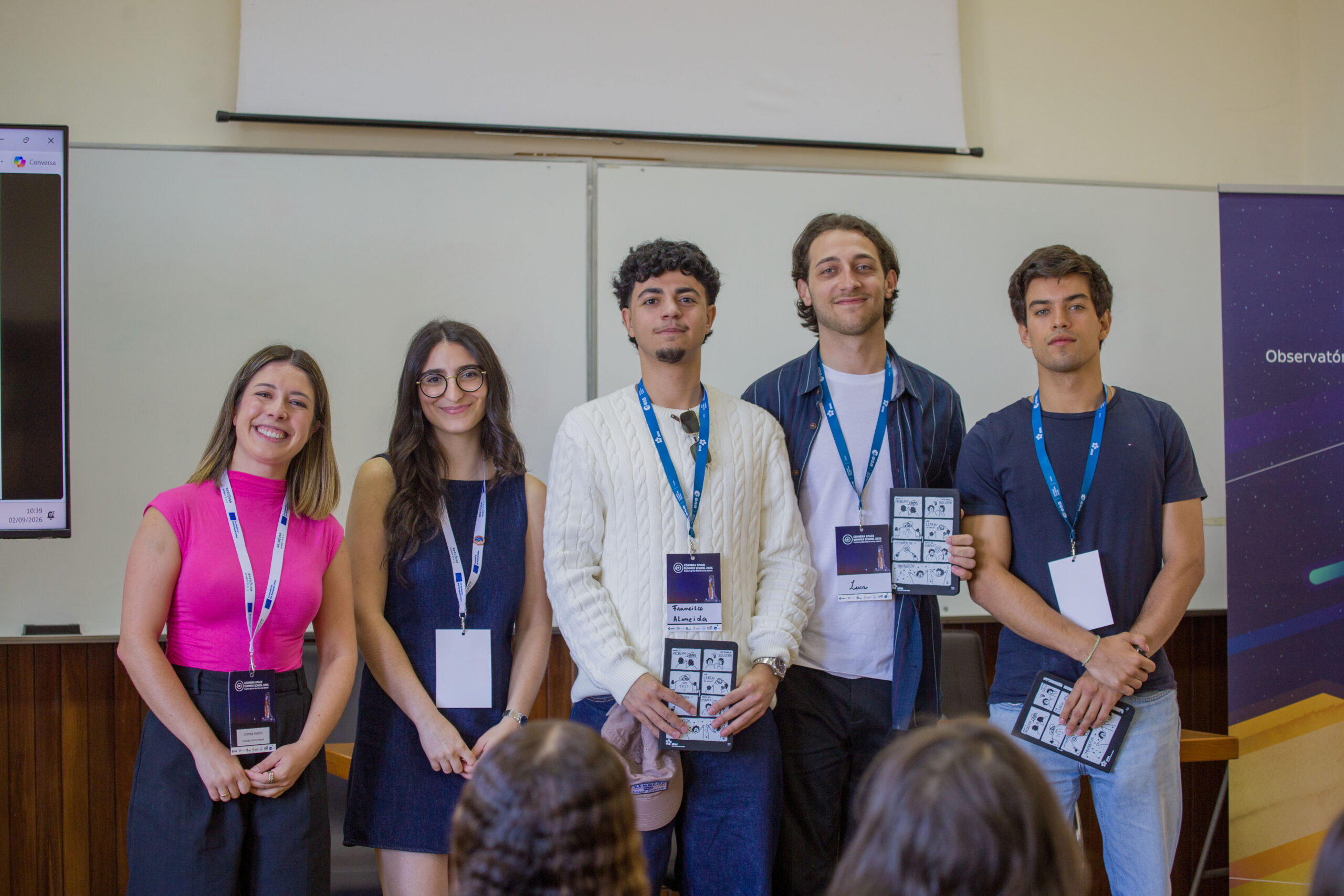
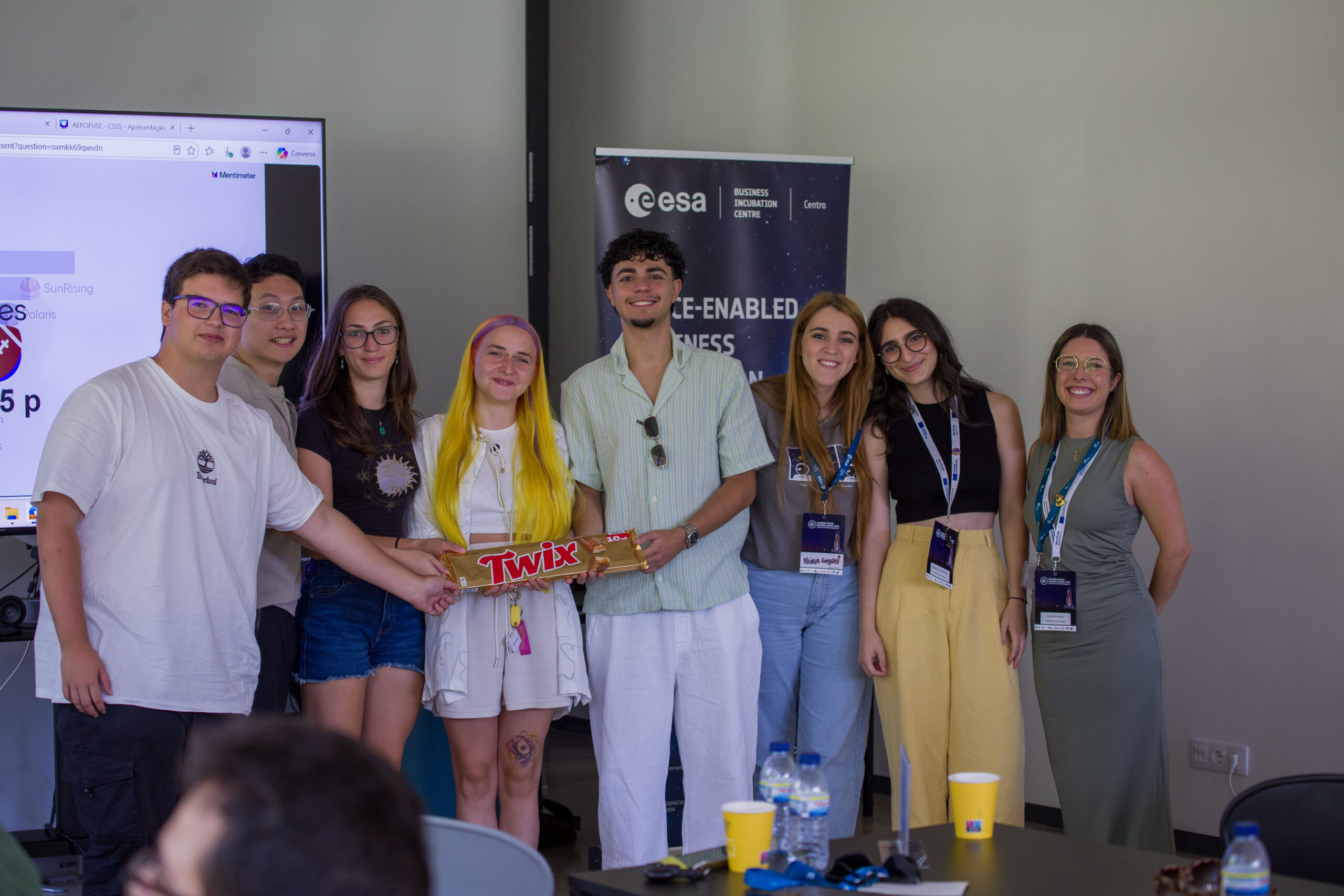
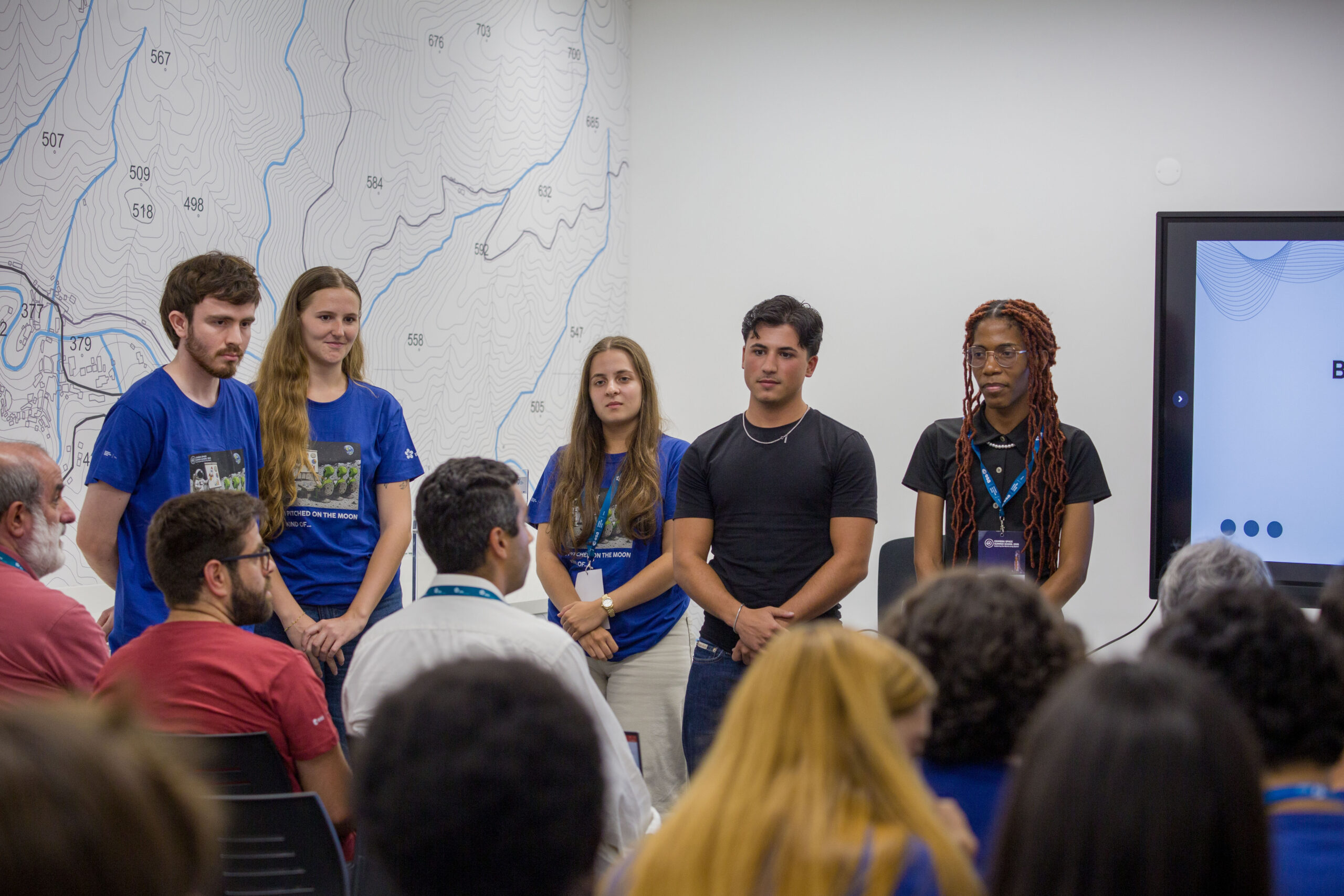
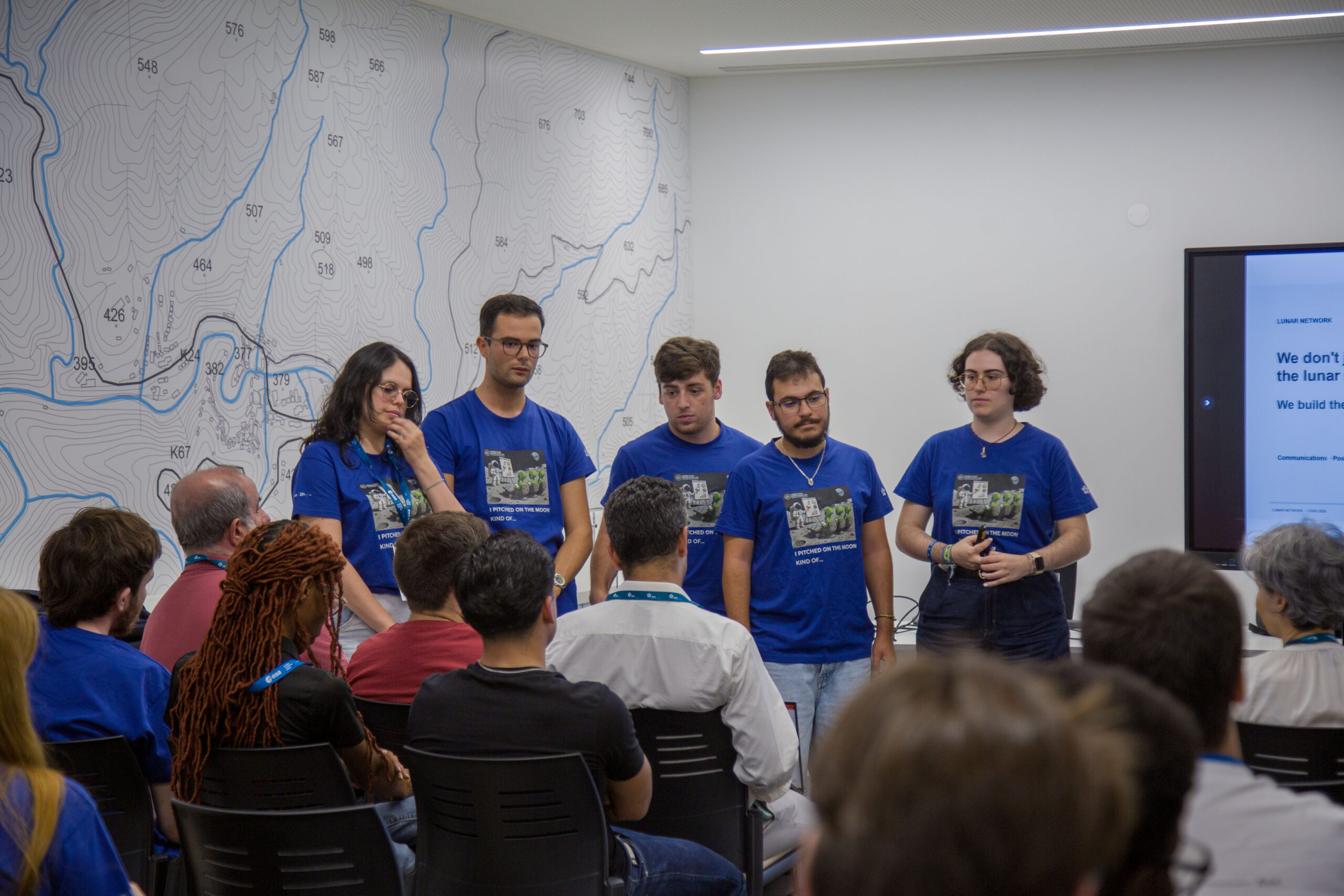
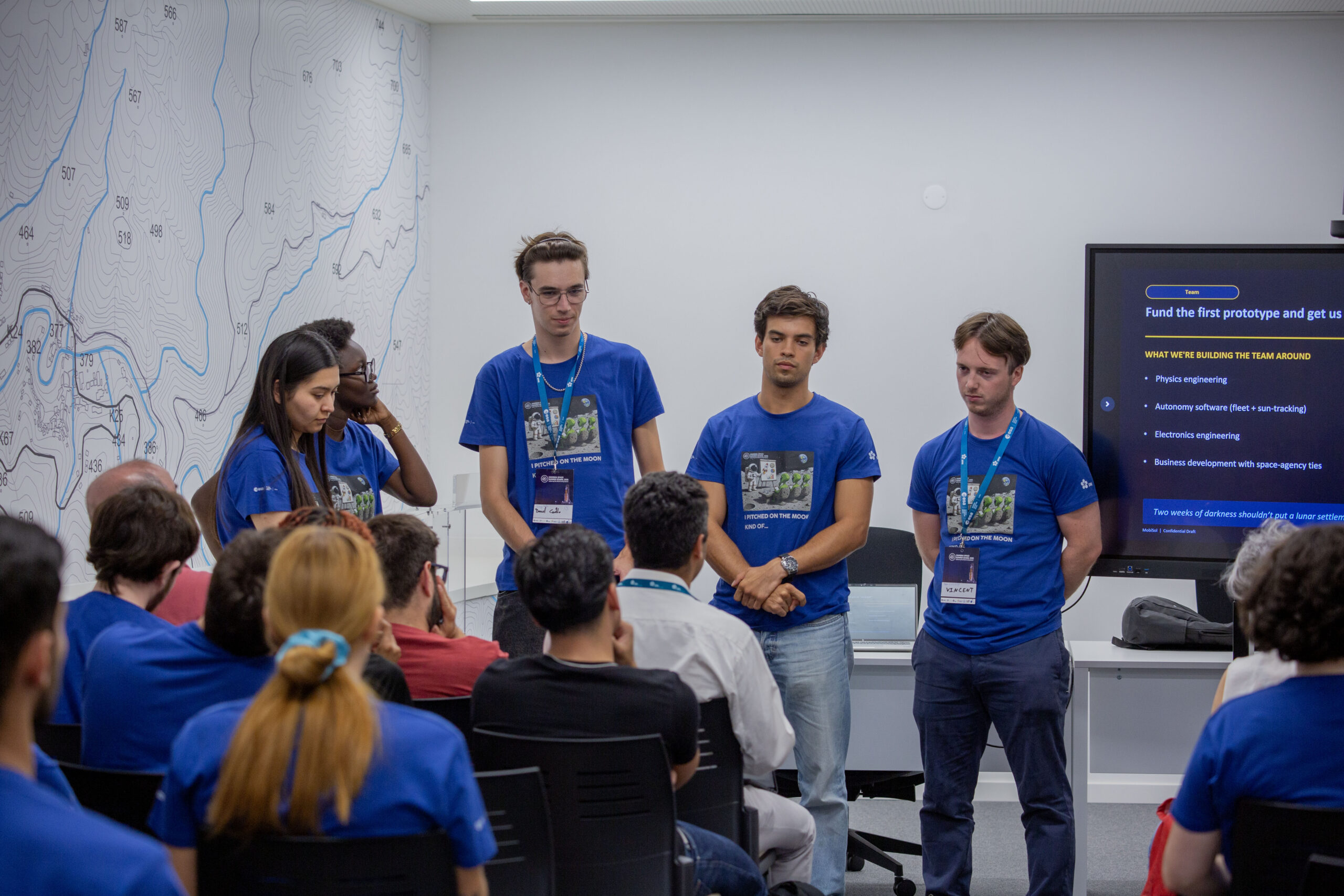
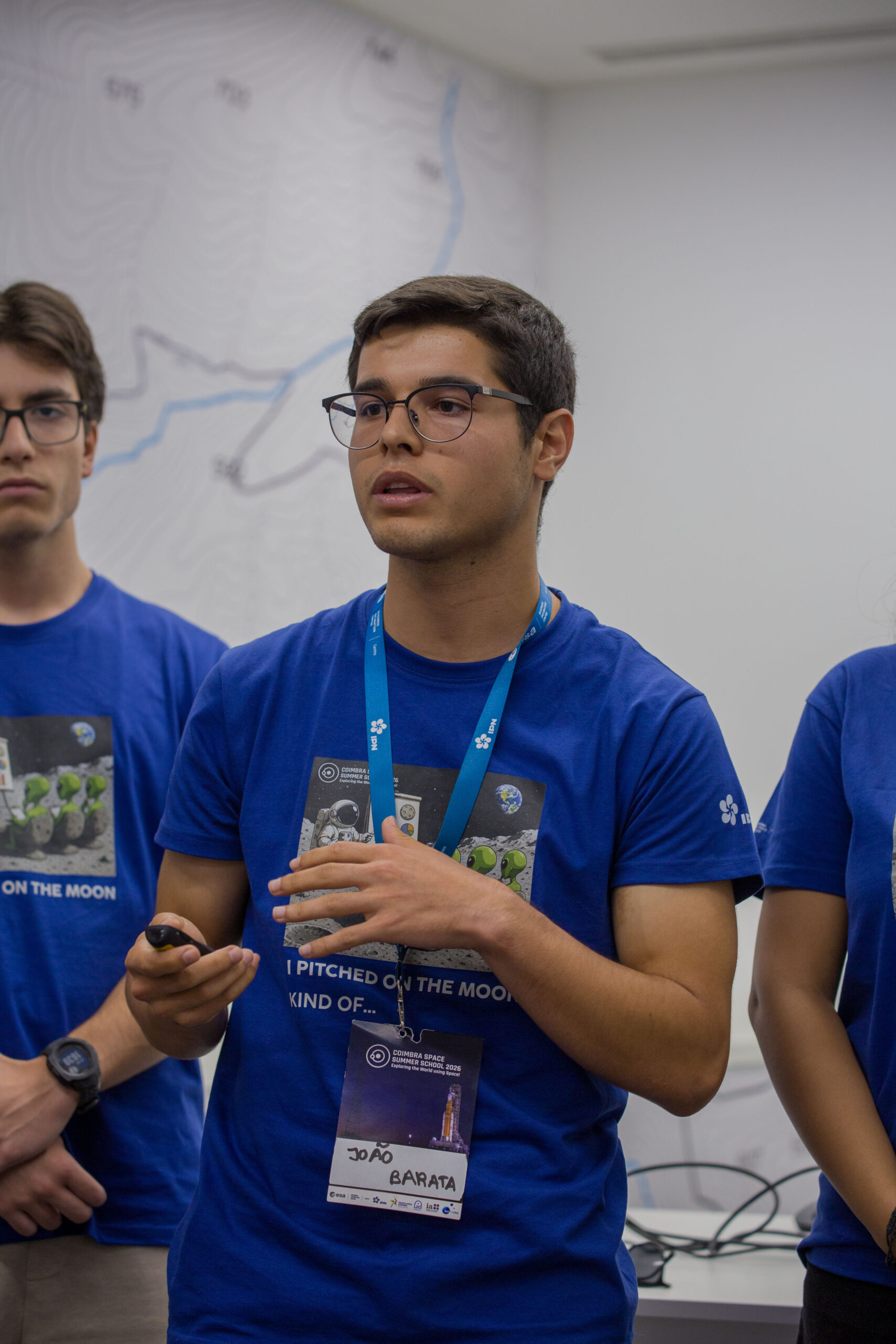
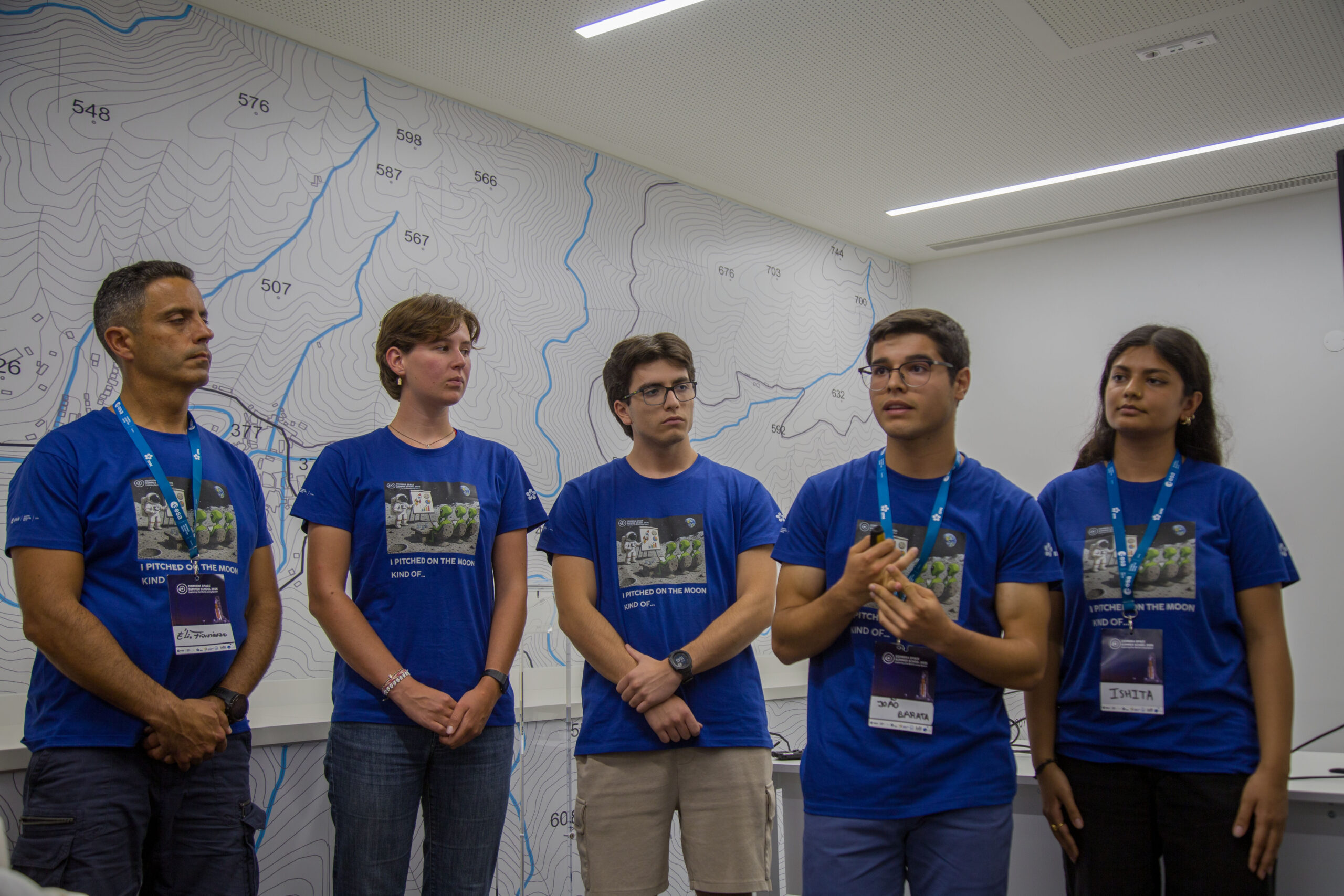
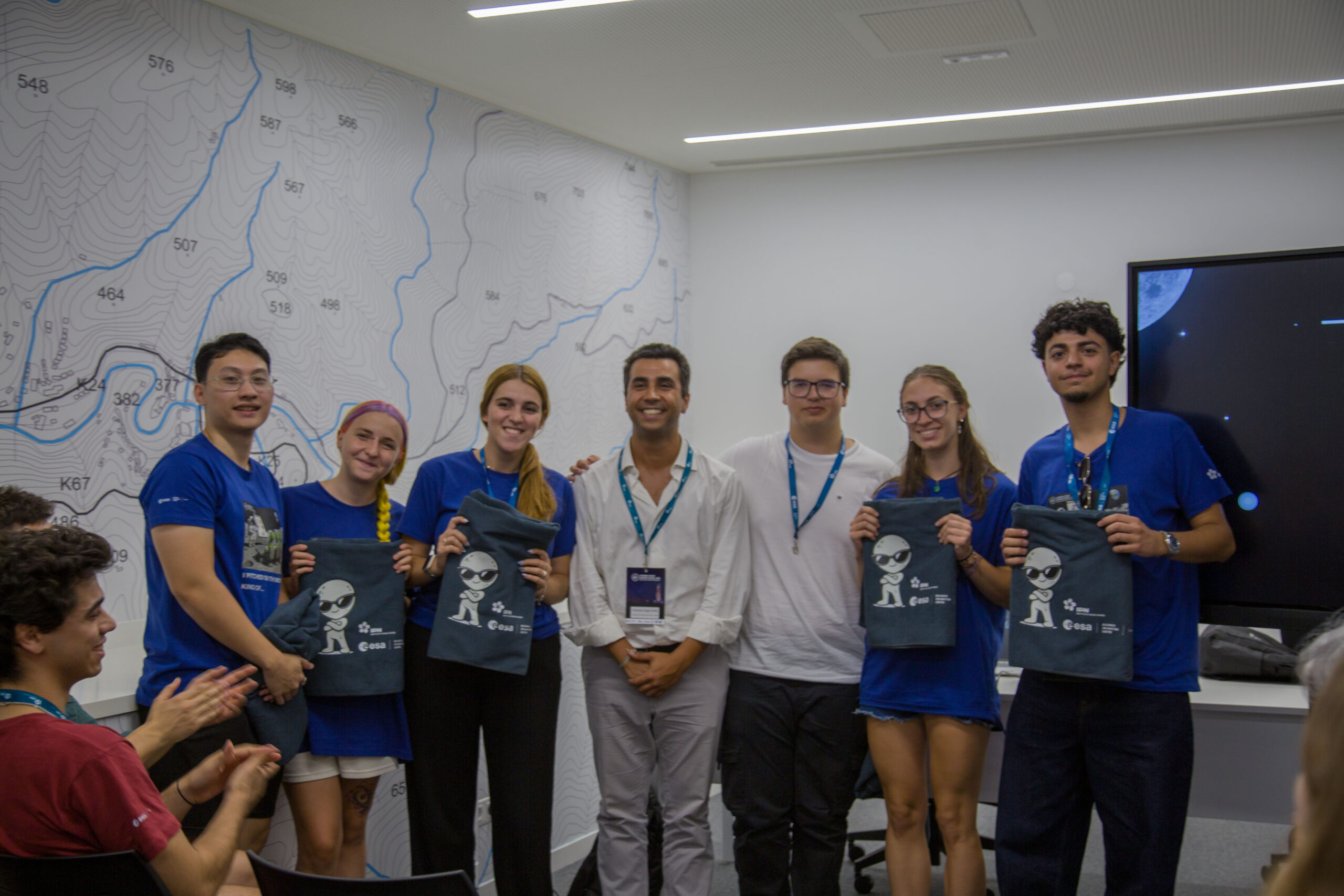
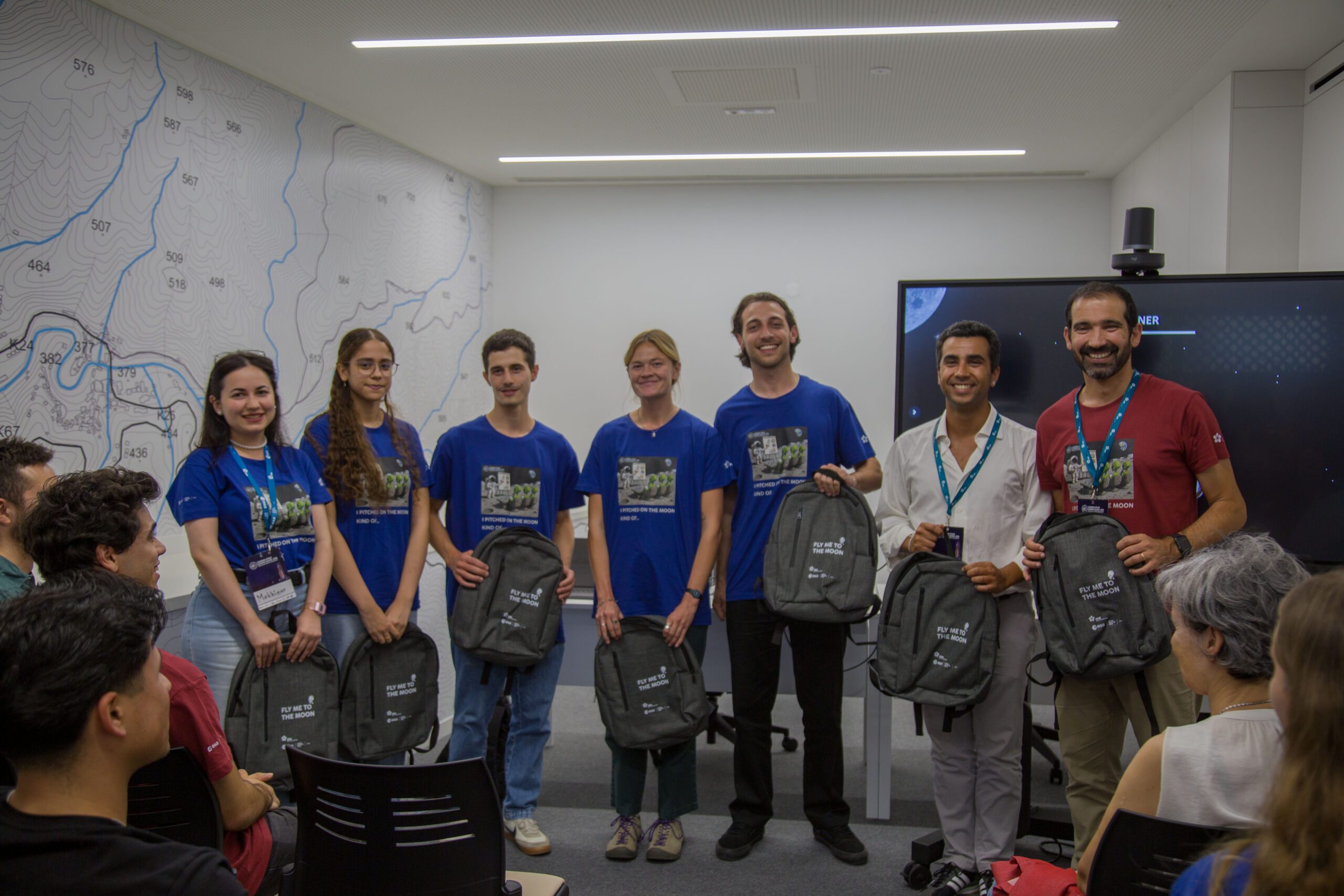
The 2026 edition concluded with a business ideas competition, in which each team pitched their solutions for their assigned sector of the lunar economy to a jury. Team Selene, representing the Resources & Manufacturing sector, was named the winner of the competition, while Team Lunavit, representing the Infrastructure & Habitats sector, received an honourable mention.
The 12th edition of the Coimbra Space Summer School once again demonstrated the value of bringing together different fields of knowledge, offering students, researchers, and entrepreneurs a hands-on opportunity to engage with the challenges and opportunities of the emerging space economy.