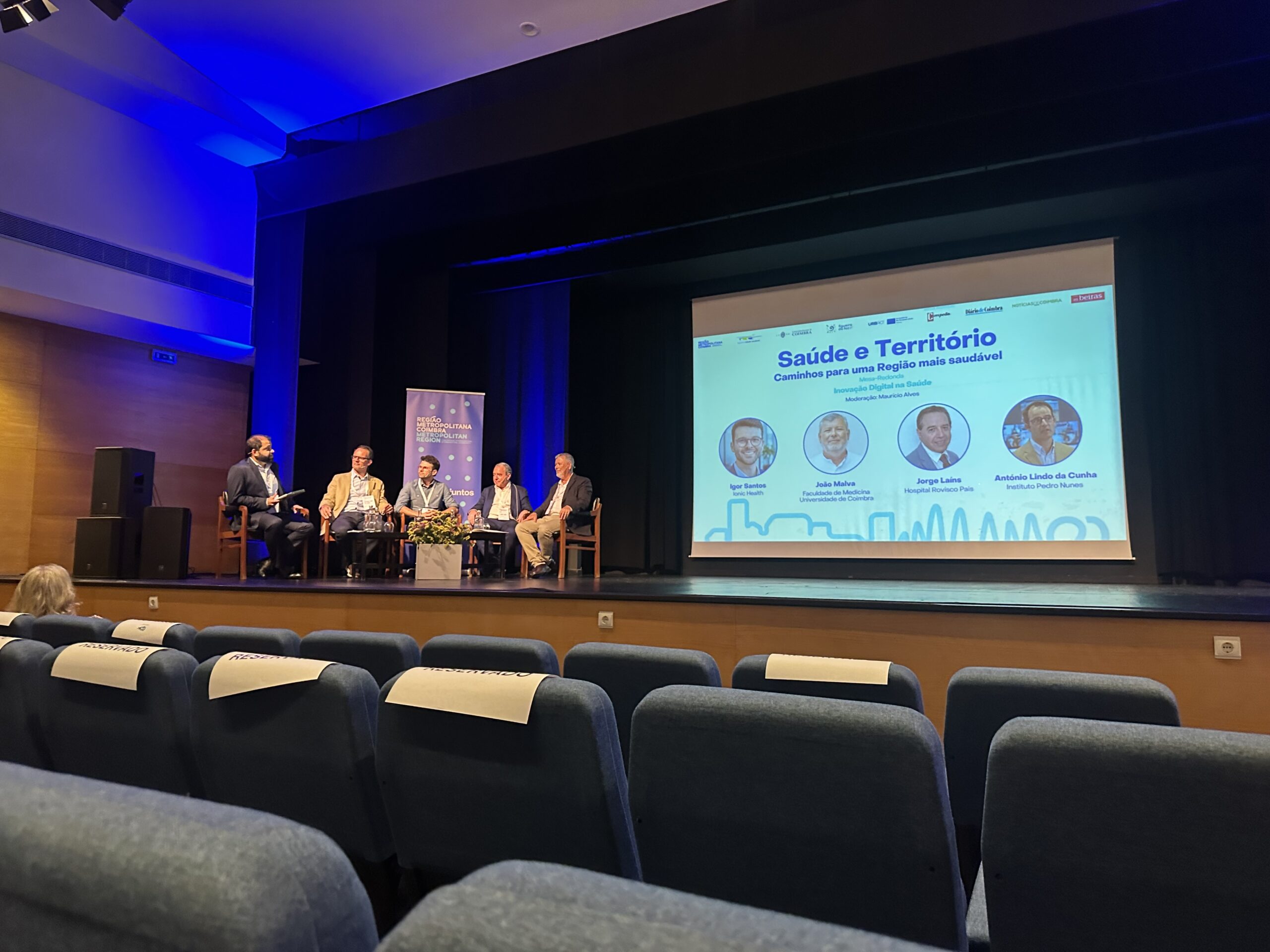
Instituto Pedro Nunes (IPN) participated in the event “Saúde e Território – Caminhos para uma Região Mais Saudável”, an initiative promoted by the CIM Região de Coimbra (Intermunicipal Community of the Coimbra Region).
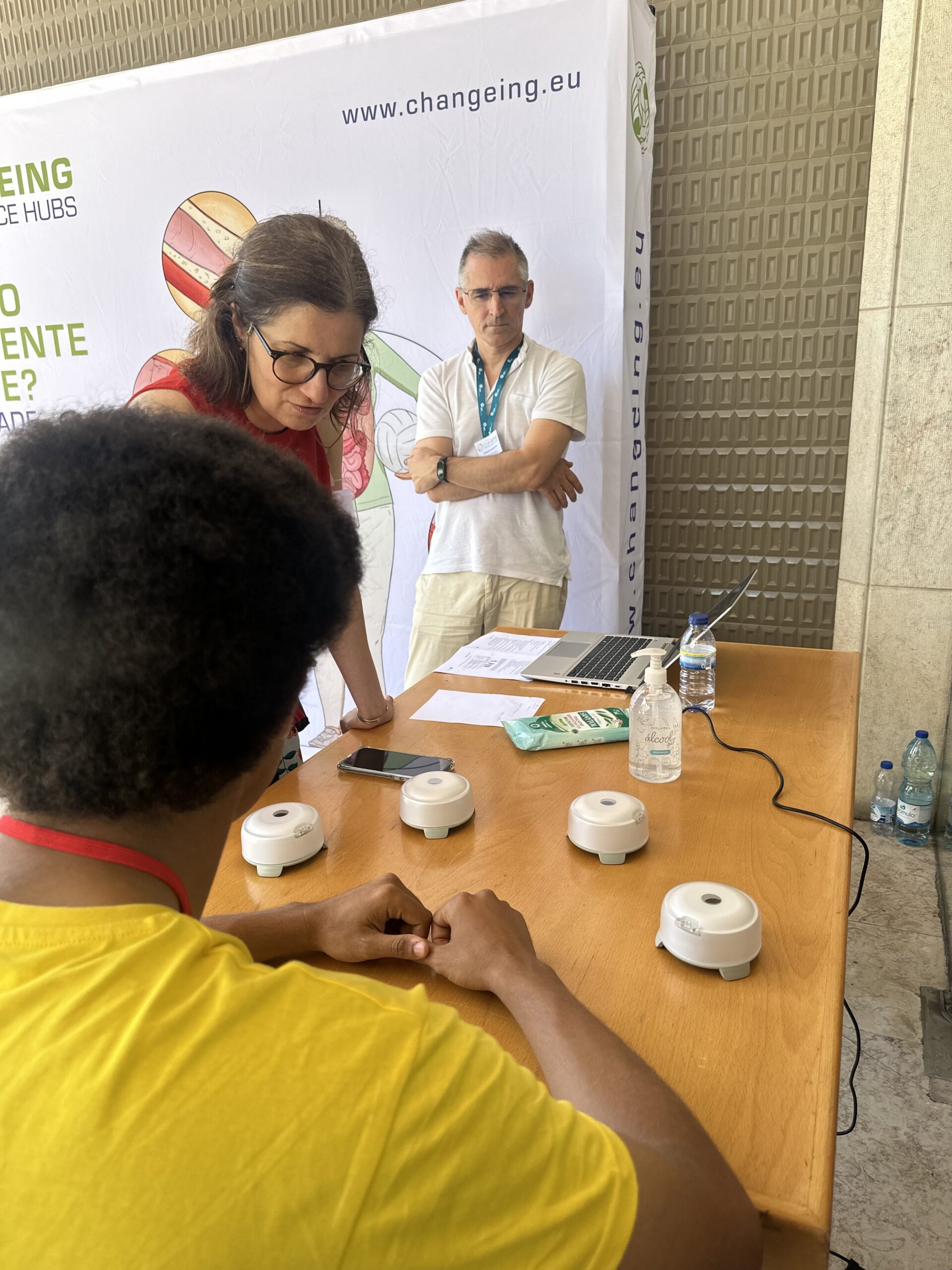
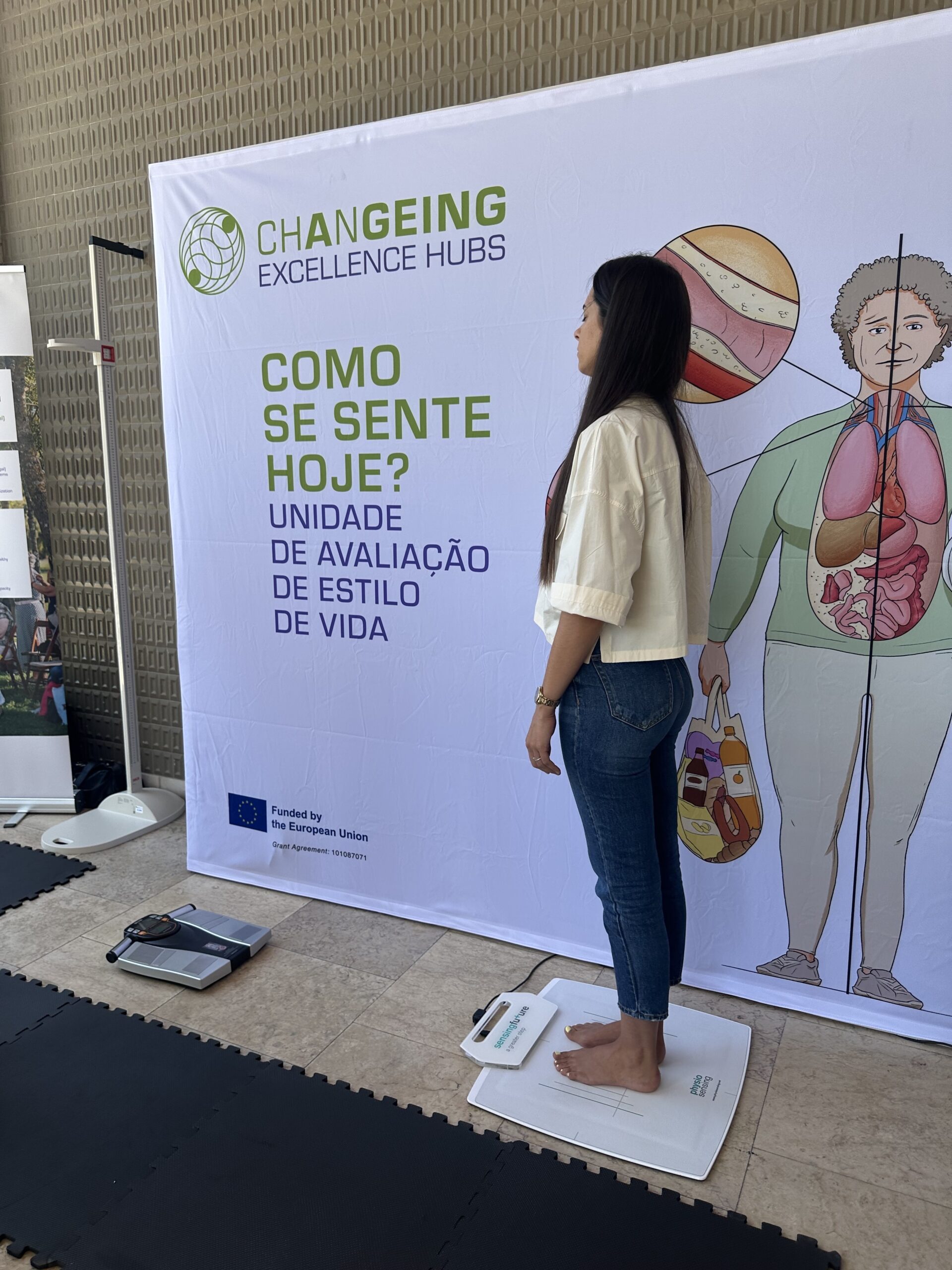
IPN’s contribution brought together discussions on the adoption of innovative healthcare technologies and the promotion of healthy lifestyles through an open assessment area for citizens, showcasing a range of technologies, including solutions developed by Portuguese companies.
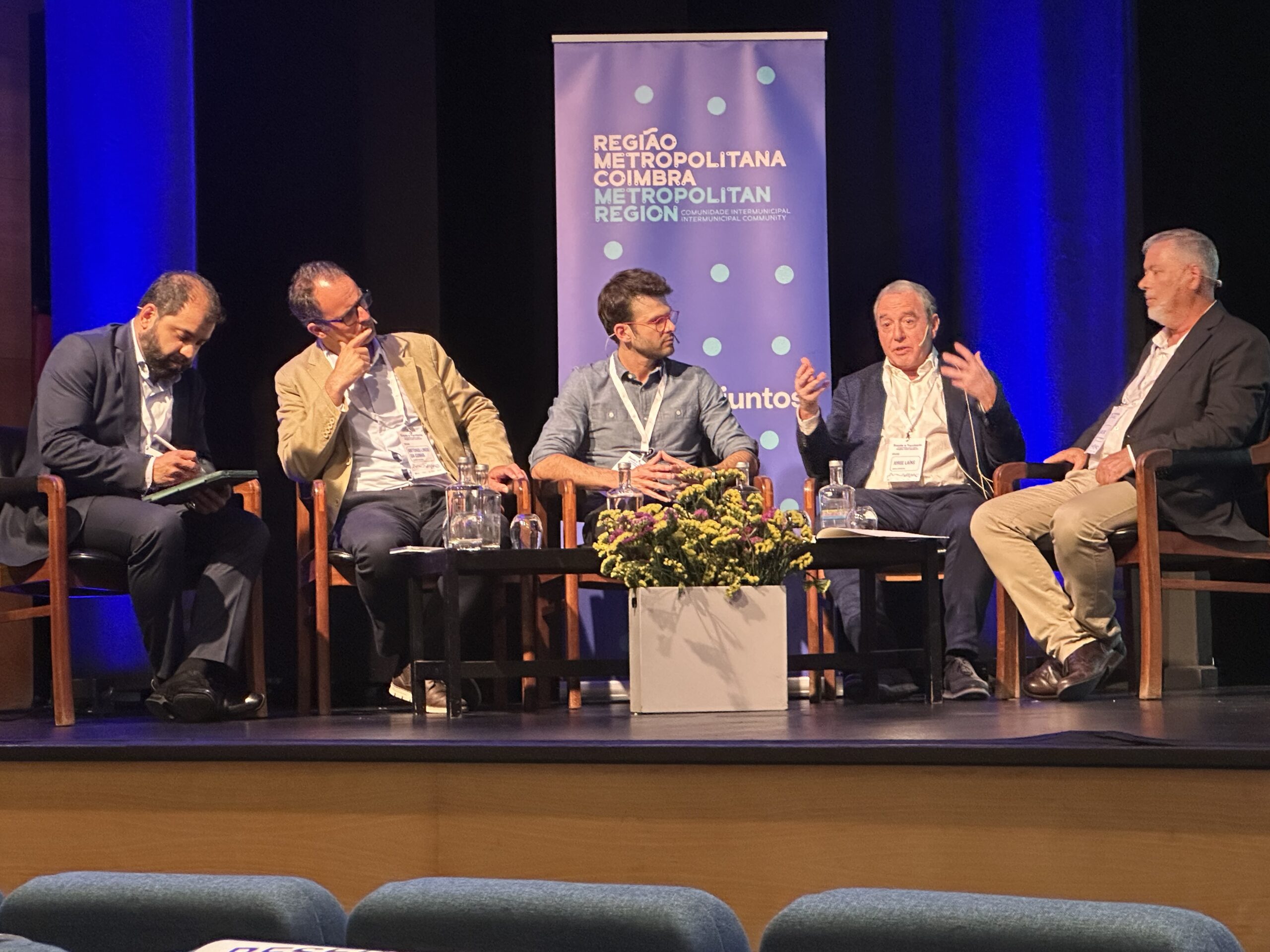
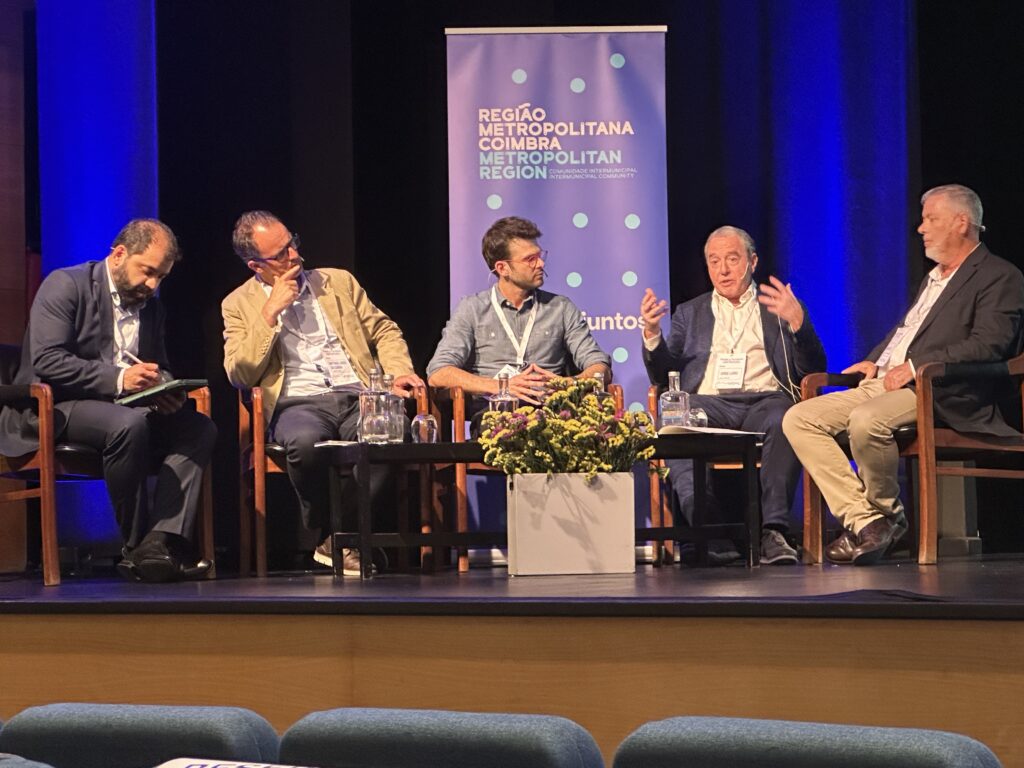
The roundtable “Digital Innovation in Healthcare” was the final debate session of the event, bringing together representatives from academia, healthcare providers, technology companies, and innovation infrastructures to reflect on the challenges and opportunities of digital transformation in healthcare. The session featured António Lindo da Cunha (IPN), João Malva (Faculty of Medicine of the University of Coimbra), Jorge Laíns (Hospital Rovisco Pais), and Igor Santos (IONIC Health), and was moderated by Maurício Alves, Deputy Member of the Board of Directors of ULS Alto Alentejo.
During his intervention, António Lindo da Cunha, Deputy Director of the Automation and Systems Laboratory at IPN, addressed the challenges faced by startups and SMEs in the validation and adoption of digital technologies, highlighting the essential role of IPN’s testing and validation infrastructures in bridging the gap between innovation and real-world clinical settings. Drawing on the success story of Sword Health, he also reflected on the factors that continue to hinder the adoption of many high-quality Portuguese technologies by hospitals, despite the broad consensus regarding the importance of digital transformation. In this context, he stressed the need to create the conditions required for solutions developed in Portugal to move beyond the pilot stage and achieve effective integration into healthcare systems.
The panel brought complementary perspectives from across the ecosystem. João Malva highlighted the importance of translational research in healthcare and the challenges of transforming scientific knowledge into solutions with real social impact. From the healthcare providers' perspective, Jorge Laíns presented ongoing initiatives at Rovisco Pais Hospital, demonstrating how new technologies improve processes, increase service efficiency, and support more patient-centered care. Igor Santos shared the vision of IONIC Health and the hurdles tech companies face in developing and implementing digital health solutions.
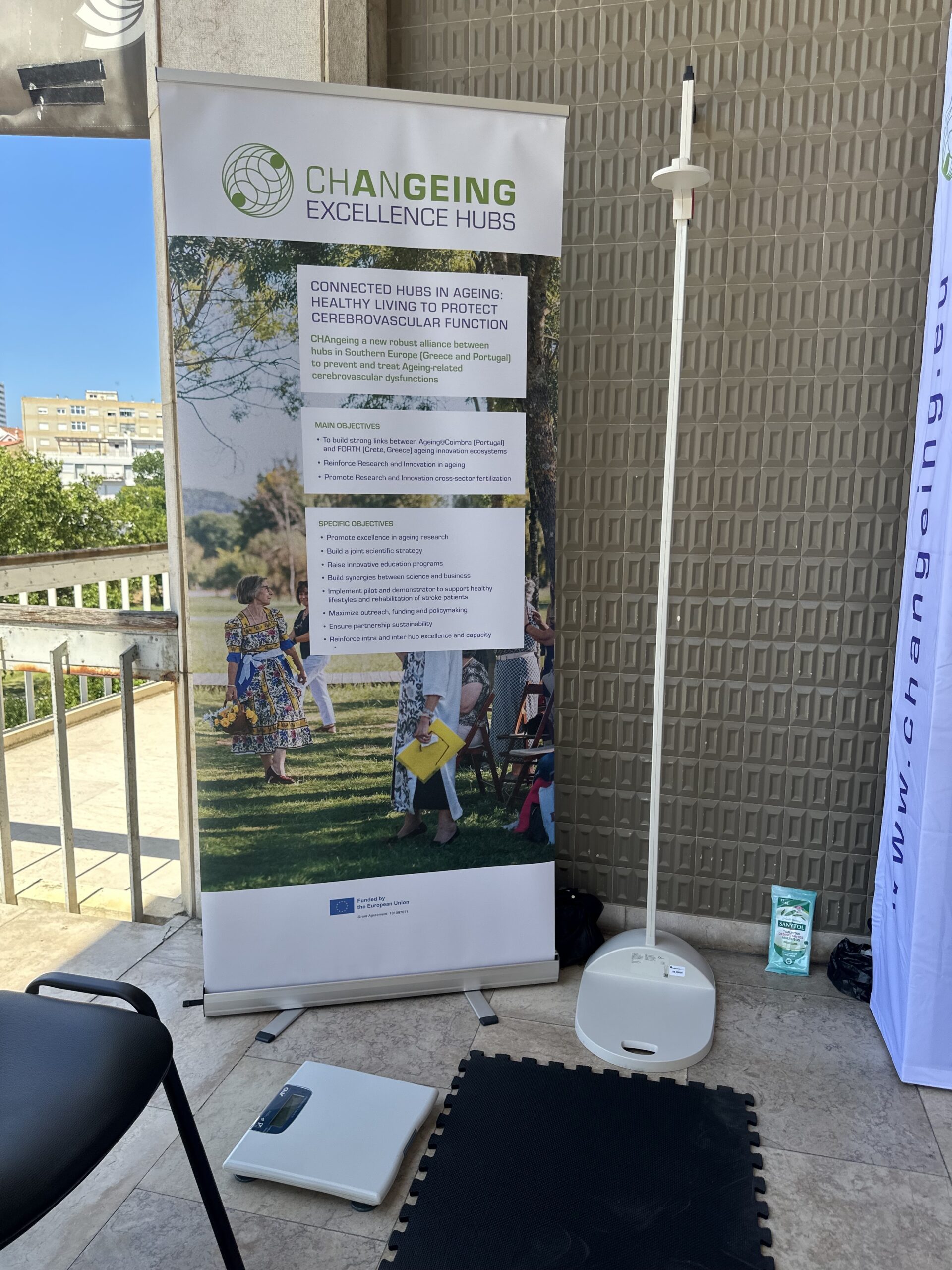
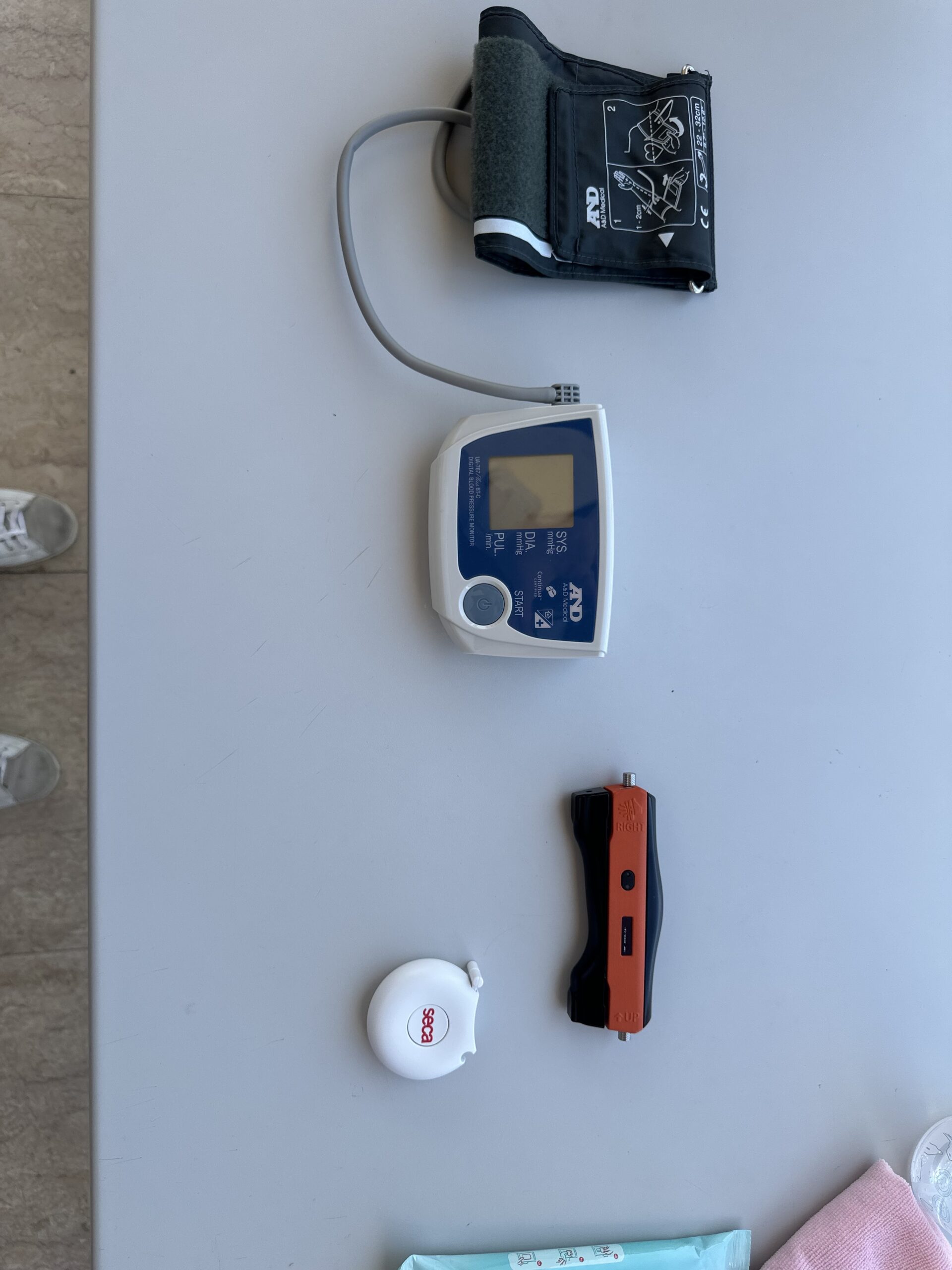
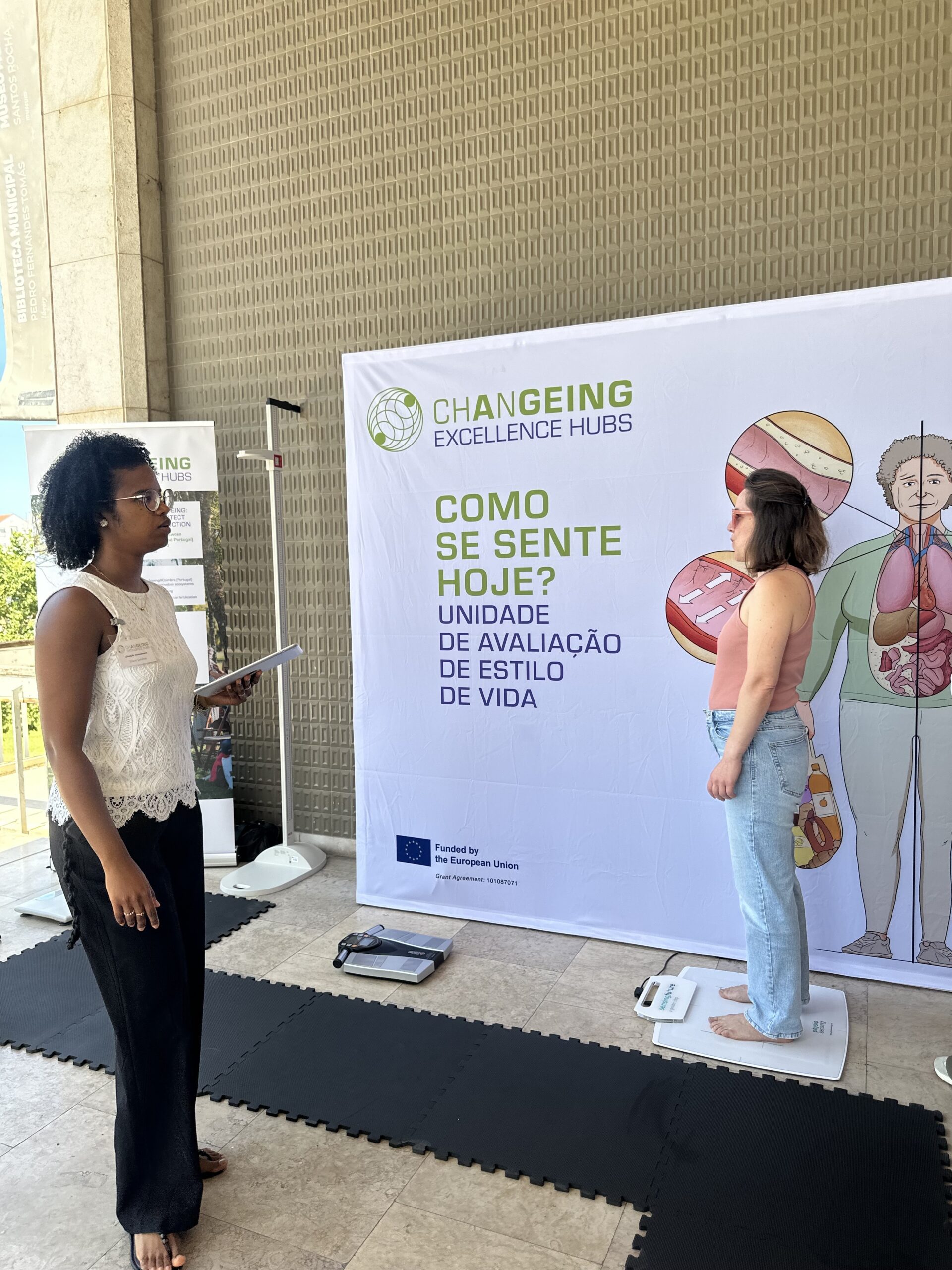
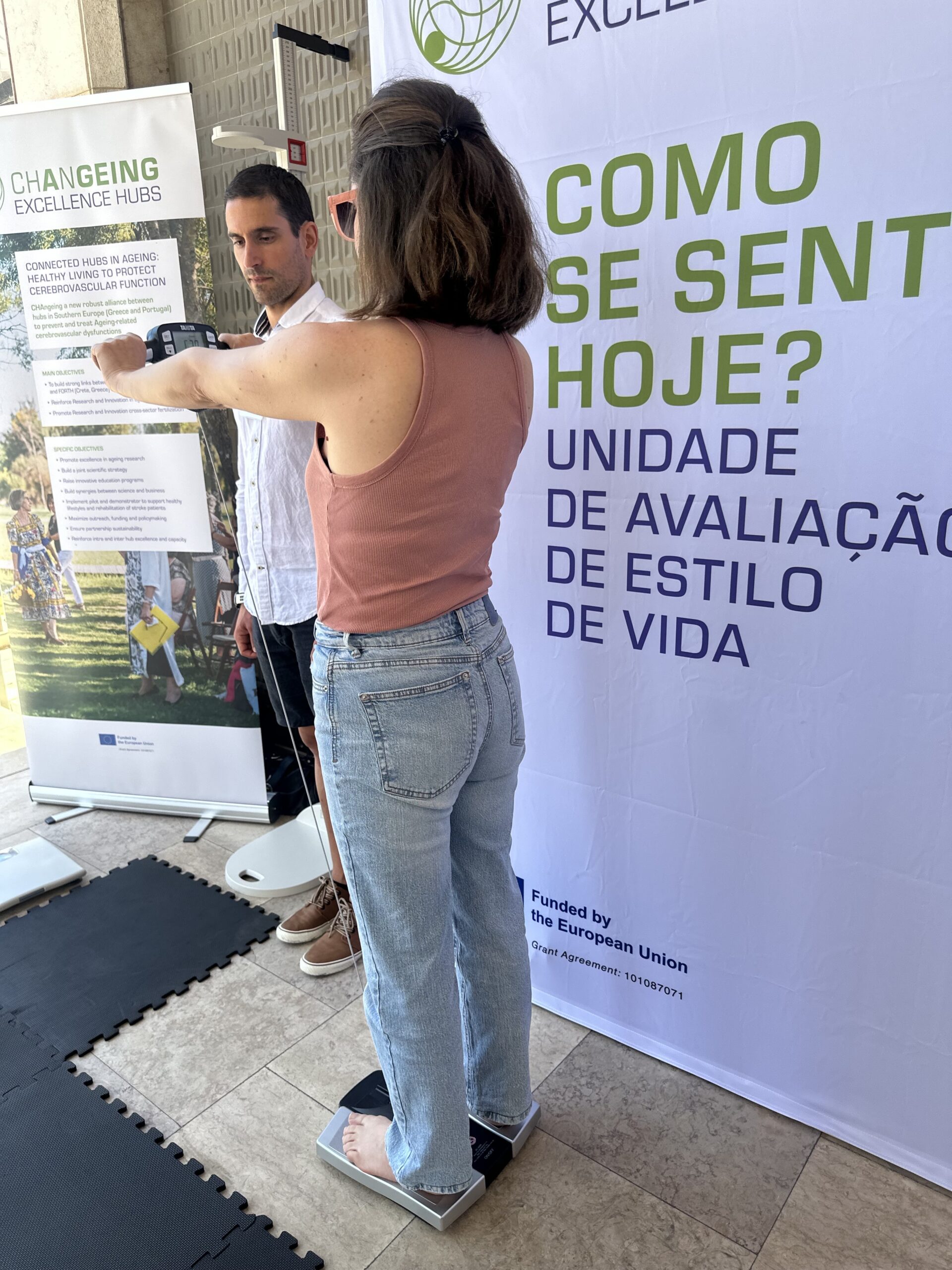
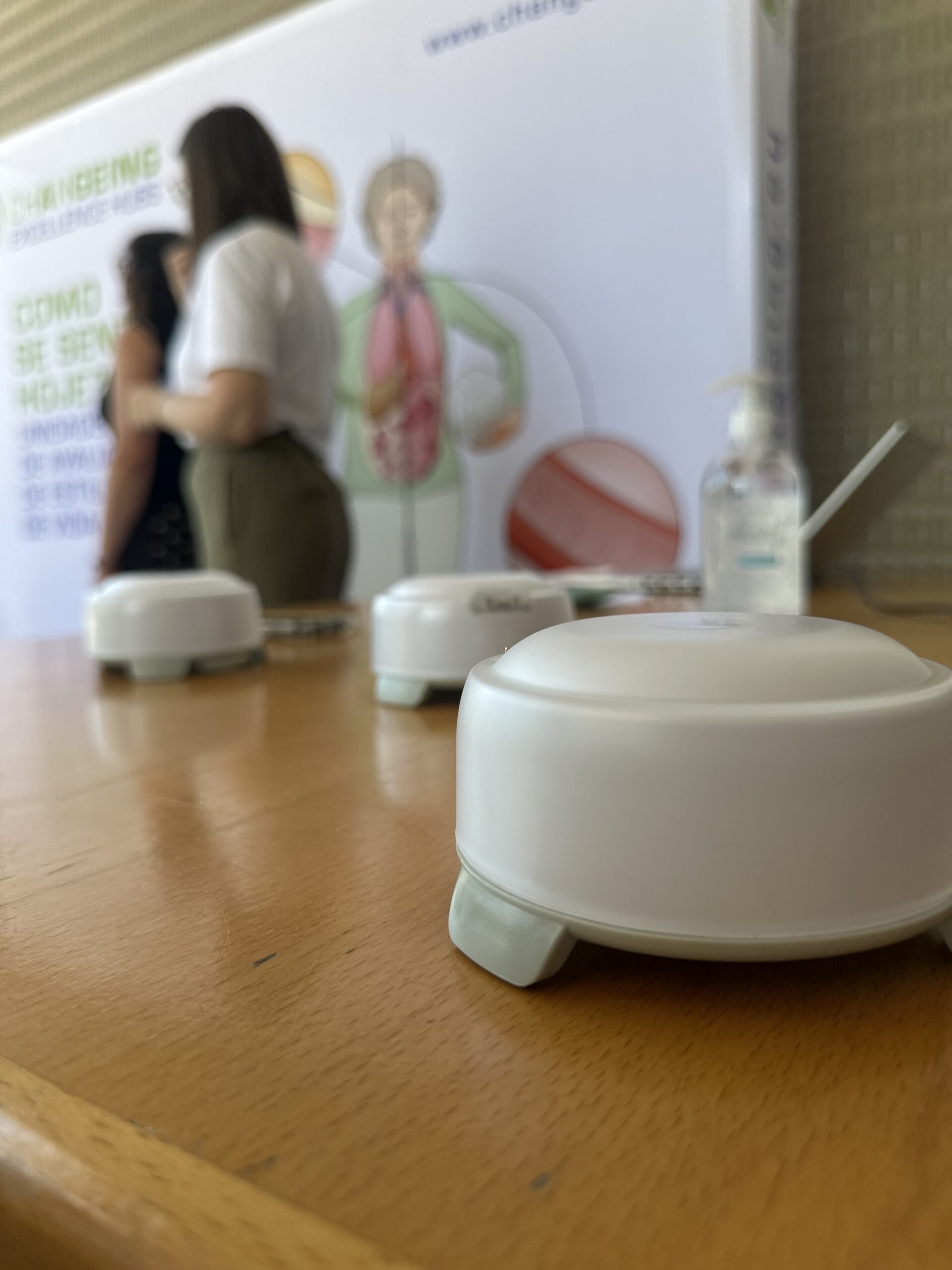
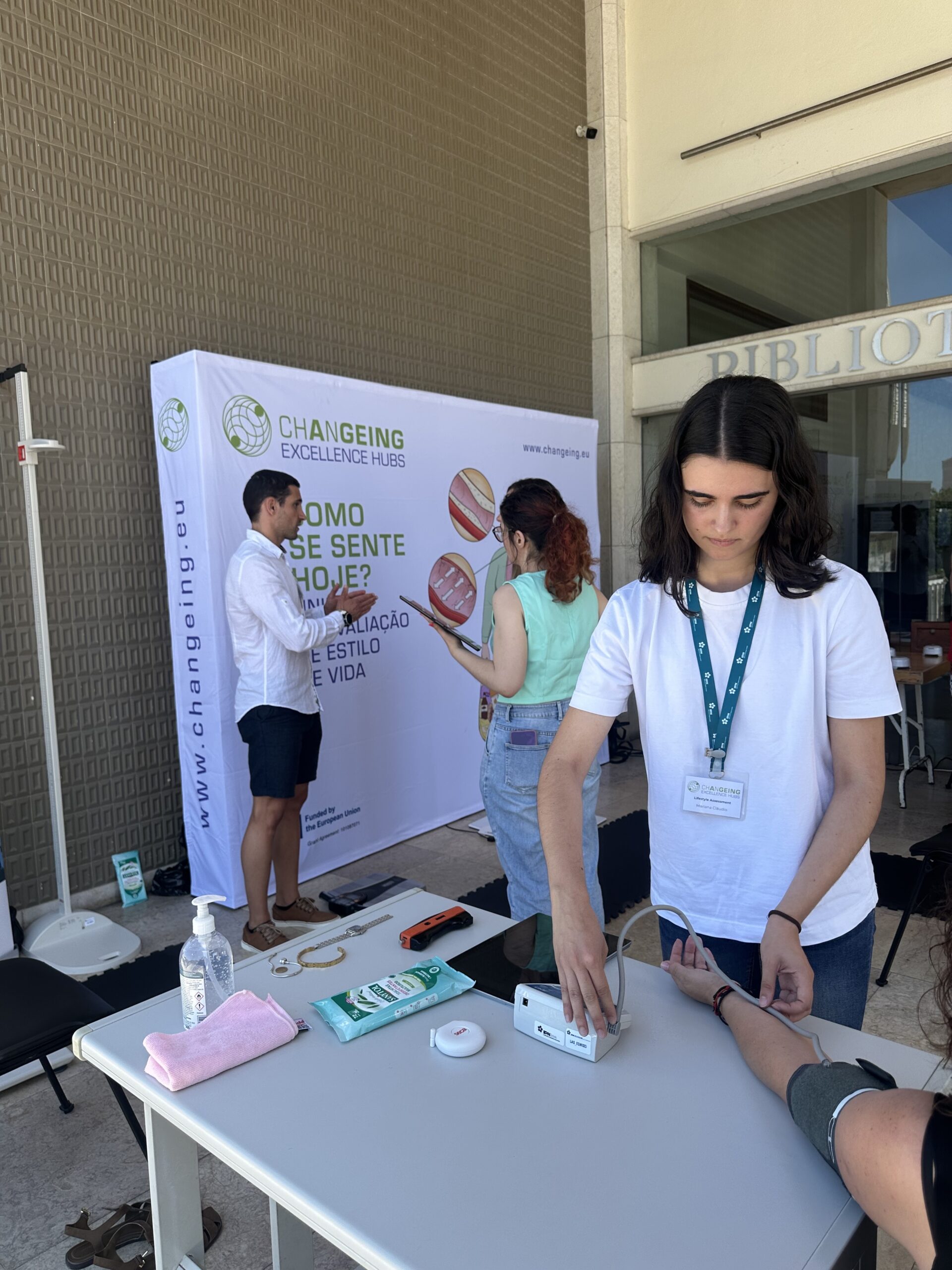
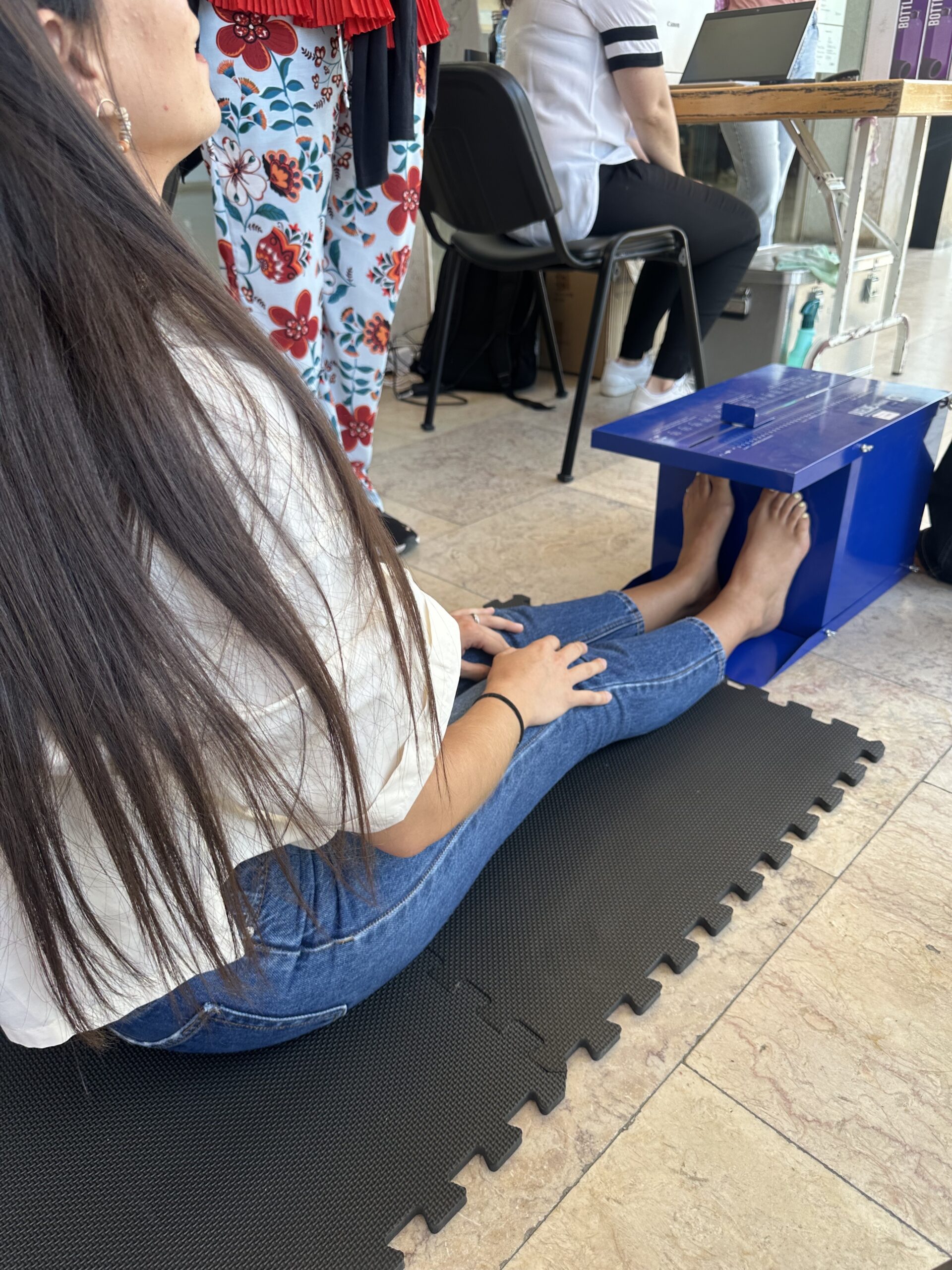
Alongside the debate, IPN participated in the Lifestyle Assessment Area, promoted under the CHAngeing project. The initiative offered participants from the Coimbra Region a practical experience aimed at raising awareness of healthier lifestyles and strengthening health literacy, while bringing citizens closer to innovative solutions developed in Portugal.
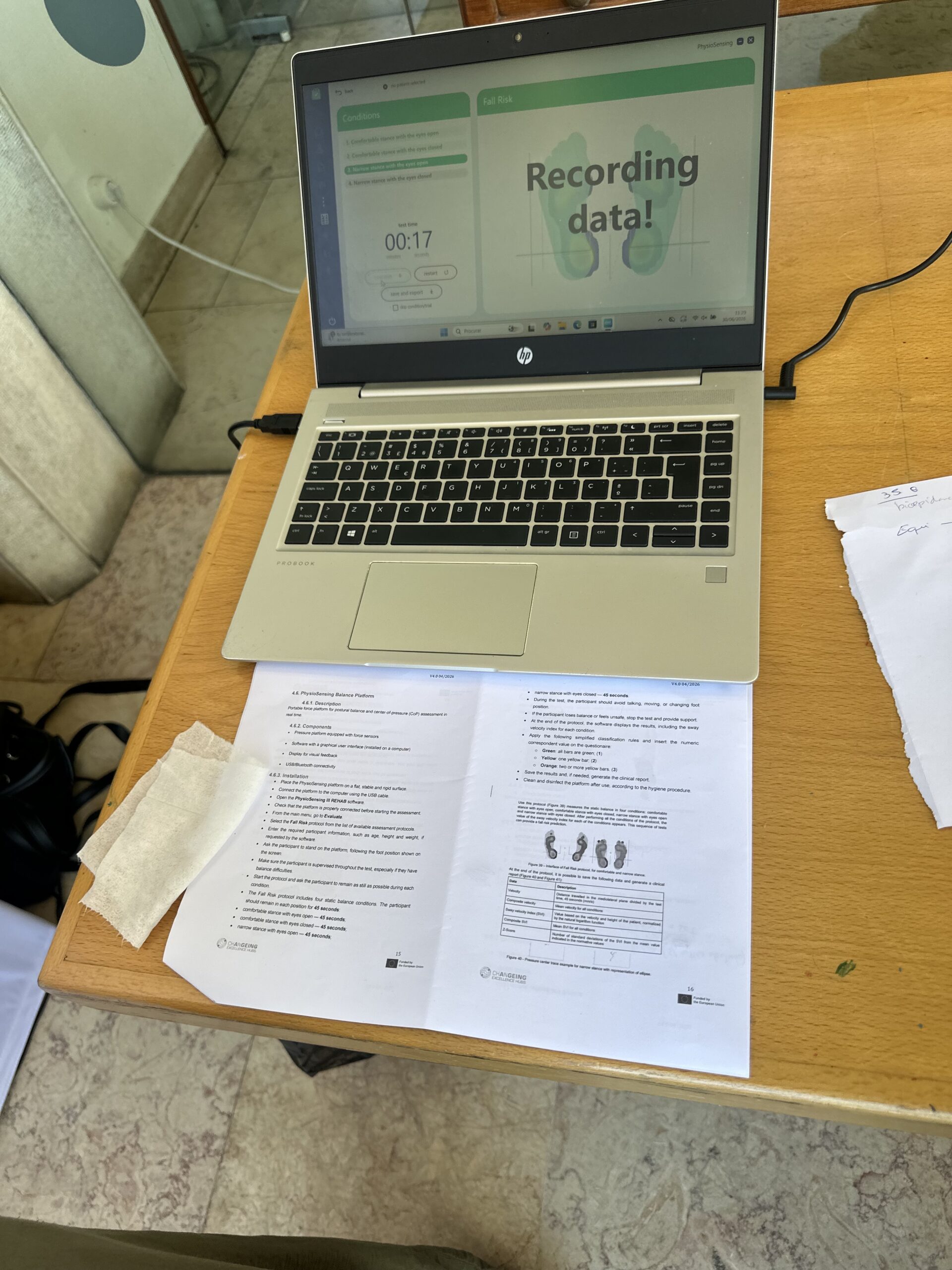
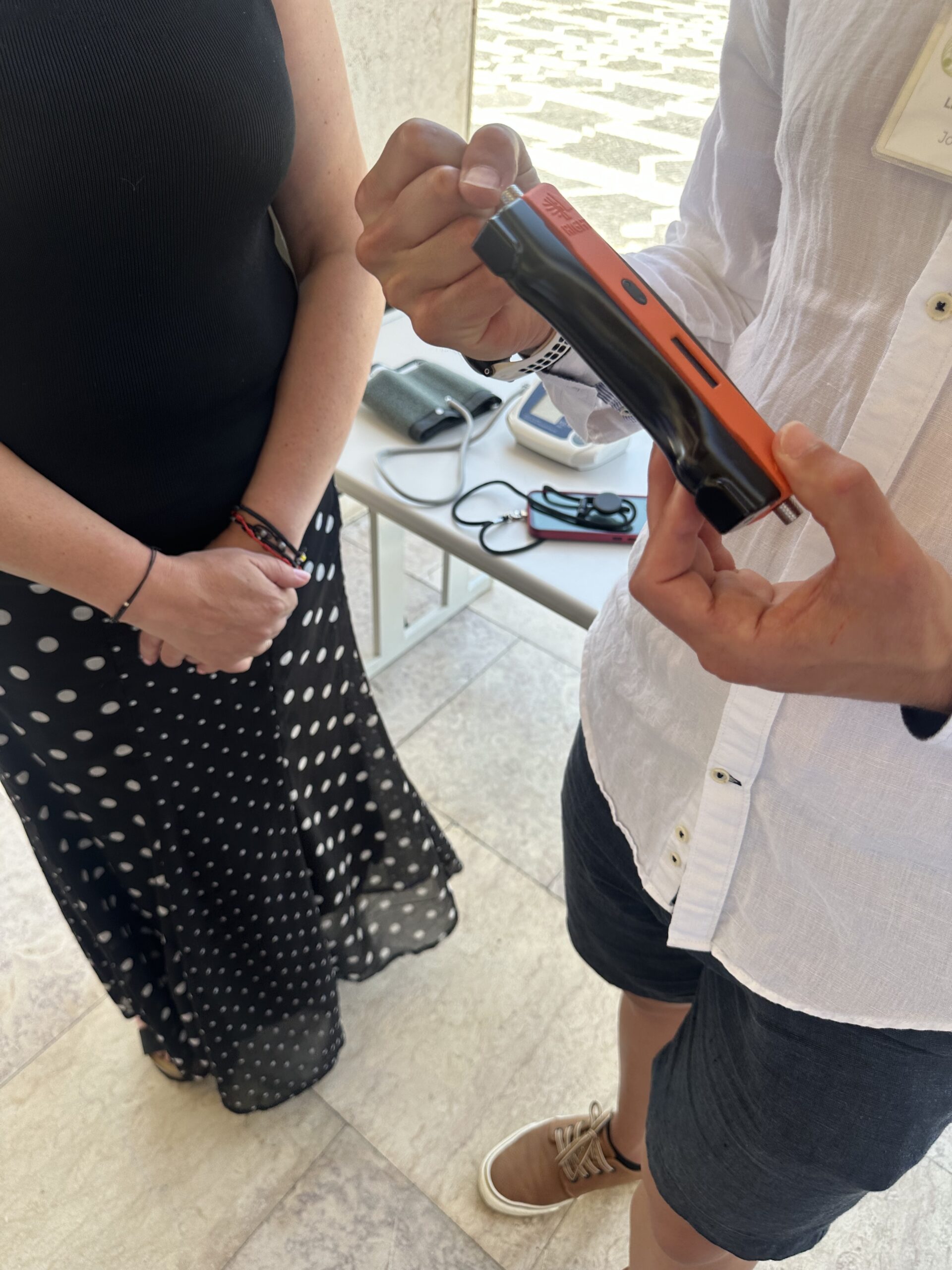
Among the showcased technologies supported by IPN’s ecosystem were GripWise, a a certified medical device that measures handgrip strength—an indicator used in the early identification of frailty and sarcopenia risk, and the PhysioSensing, a certified platform developed by Sensing Future that assesses balance, postural stability, and fall risk, supporting healthcare professionals in clinical decision-making and rehabilitation processes.
The discussion demonstrated that addressing the challenges of healthcare innovation requires collaboration among all stakeholders in the ecosystem. Academia, hospitals, companies, innovation infrastructures, regional coordination bodies, and policymakers all play complementary roles in the adoption of innovative solutions, helping them reach end users more quickly and generate meaningful societal impact.